


Board Governance Compliance Auditor
Audit board governance, minutes, and policies for regulatory compliance gaps
 by juanjaragaviOperations & AdministrationExecutive & AdminBoard Secretary/Governance OfficerCompliance
What You Can Do
You can conduct comprehensive governance audits that analyze board meeting minutes, policies, conflict-of-interest disclosures, and procedural documentation against federal, state, and industry-specific regulatory requirements. The skill identifies compliance gaps, maps them to specific regulations, and prioritizes remediation actions—giving you a complete compliance inventory before external auditors arrive. You'll document audit findings, track remediation progress, and demonstrate governance readiness to regulators and stakeholders.
Features
Analyzes board meeting documentation for quorum verification, voting records, conflict disclosures, and procedural compliance with bylaws and regulations
Cross-references governance practices against applicable federal, state, and industry-specific requirements (SOX, nonprofit regulations, healthcare governance, etc.)
Reviews governing documents, board policies, and procedures against best practices and regulatory standards to identify gaps
Audits disclosure practices, recusal procedures, and related-party transaction documentation for regulatory adherence
Verifies that required certifications, approvals, and decision records are properly documented and retained
Categorizes findings by severity and regulatory impact so you address high-risk gaps first
Creates action plans with accountability assignments and deadlines to close identified compliance gaps
Generates executive summary and detailed findings formatted for board presentation and external auditor review
Example Output
Example 1: Minutes Audit Finding
- Gap: Board meeting minutes lack documented conflict-of-interest disclosures required under Nonprofit Integrity Act Section 5047
- Impact: High — Direct regulatory violation
- Remediation: Implement conflict-of-interest disclosure form in minutes template; train board secretary on documentation requirements; audit past 12 months of minutes
Example 2: Policy Compliance Finding
- Gap: Board committee charter does not specify quorum requirements or voting procedures per SOX 302/404 internal control standards
- Impact: Medium — Creates audit risk around committee authority and decision validity
- Remediation: Revise committee charters to document quorum thresholds, voting rules, and approval authority; distribute to all committee members
Example 3: Documentation Gap
- Gap: Whistleblower policy required under Dodd-Frank and SOX is not referenced in minutes or board meeting agendas
- Impact: Medium — Creates appearance of inadequate oversight and potential regulatory inquiry
- Remediation: Add annual whistleblower policy review to Q1 board agenda; document board acknowledgment in meeting minutes
What's Included
- SKILL.md: Complete compliance audit framework and regulatory requirement taxonomy
- Board Governance Audit Checklist: Downloadable template covering federal, state, and common industry-specific requirements
- Minutes Audit Template: Standardized review form for analyzing meeting minutes against compliance standards
- Compliance Gap Tracker: Spreadsheet for documenting findings, impact ratings, and remediation assignments
- Regulatory Requirement Matrix: Pre-populated reference guide for SOX, nonprofit, healthcare, financial services, and other sector-specific rules
Who It's For
- Board Secretaries — Manage governance documentation and compliance tracking proactively
- Governance Officers — Oversee board compliance programs and prepare for external audits
- Compliance & Risk Officers — Conduct internal governance audits and document control assessments
- General Counsels — Identify legal exposure in board processes and governance practices
- Internal Auditors — Assess board governance controls as part of annual audit planning
Best For
- Pre-audit preparation — 4-6 weeks before external auditor or regulatory examinations
- Quarterly compliance reviews — Systematic governance audits between major audit cycles
- Policy and bylaw updates — Verify new governance procedures are actually being followed in practice
- Regulatory changes — Assess impact of new federal or state governance requirements on existing processes
- Annual compliance planning — Build board-level compliance calendar and risk assessment framework
You might also like

Upload document sets and define what makes a document relevant to your case, compliance review, or research. This skill scores every document by relevance, assigns categories, and prioritizes your review queue. It learns from your feedback to continuously improve accuracy across large collections—turning weeks of manual review into hours of focused work.
by juanjaragavi
Create standardized, legally compliant forensic collection procedures tailored to your evidence types and jurisdictional requirements. This skill generates comprehensive SOPs covering chain-of-custody protocols, evidence handling, documentation requirements, and quality assurance checkpoints. You'll produce professional procedures that meet NIST standards and legal admissibility requirements.
by juanjaragavi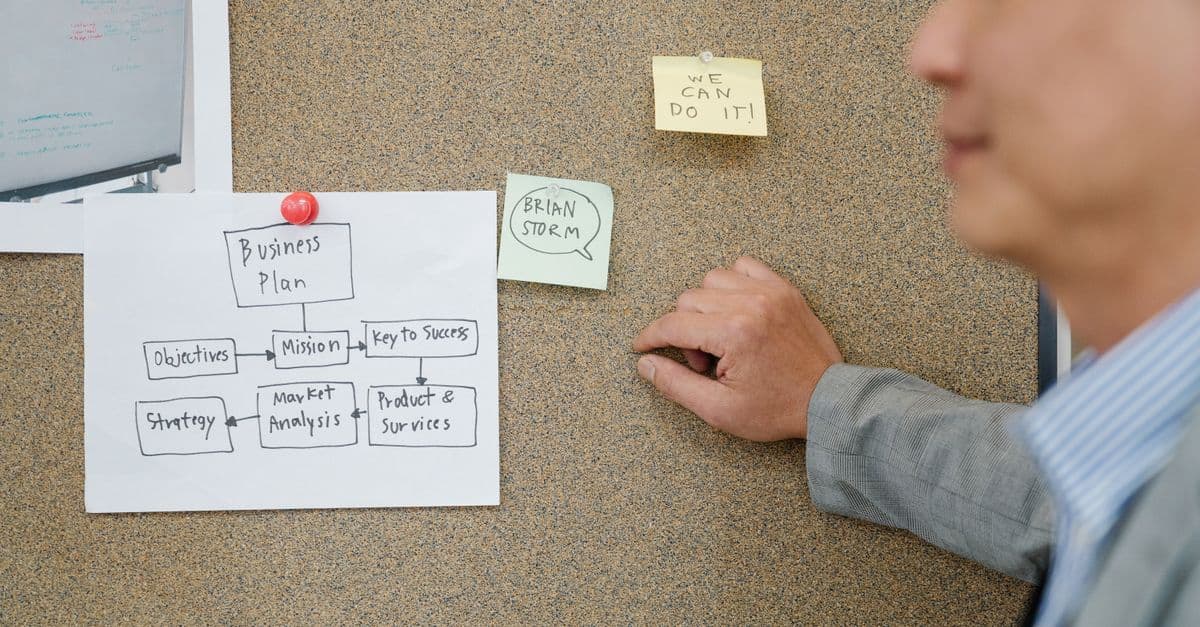
You can rapidly evaluate acquisition targets by analyzing financial viability, strategic alignment, operational integration complexity, and governance risks in a single structured assessment. Claude synthesizes market data, financial statements, and organizational constraints into a decision-quality analysis that surfaces hidden costs, integration challenges, and deal-breaking risks—enabling you to screen multiple targets efficiently and prepare board-ready recommendations backed by clear reasoning.
by juanjaragavi
Review contracts and court filings for risks, inconsistencies, and compliance gaps in minutes instead of hours. Claude extracts clauses, tags them by type, compares provisions across documents, and flags problematic language. You get a detailed QA report with redlines, risk ratings, and specific remediation suggestions for every issue found.
by juanjaragavi
You can submit your current pitch deck, financial metrics, and founder narrative to receive a strategic analysis that identifies narrative gaps, repositioning opportunities, and messaging refinements. The skill evaluates your deck against investor evaluation criteria (market size, defensibility, team, traction, path to profitability) and provides specific recommendations to strengthen your fundraising story across Series A/B/C rounds, board updates, and SAFE investor communications.
by juanjaragavi
Upload any vendor contract and receive a detailed compliance risk assessment, SLA gap analysis, and negotiation leverage summary. The skill flags hidden liabilities, identifies unfavorable payment terms, and highlights missing service guarantees—so you can negotiate from a position of strength or walk away before signing.
by juanjaragavi
You can draft authentic, on-brand social media posts for executive accounts that balance personal voice with corporate governance requirements. The skill guides you through regulatory compliance checks (especially critical for finance and healthcare industries), optimizes messaging for each platform's unique audience and format, and coordinates timing and messaging across multiple executives' accounts to amplify strategic announcements and thought leadership.
by juanjaragavi
You can transform scattered travel and event details into a single source of truth that coordinates timelines, tracks attendees and vendors, manages budgets, and automates communication across all stakeholders. This skill handles the organizational backbone of executive logistics—from flight schedules and hotel confirmations to dietary restrictions, ground transportation, and real-time updates—ensuring critical details never slip through the cracks.
by juanjaragavi