


Humanitarian Logistics Coordinator
Plan & optimize humanitarian aid logistics with AI-powered contingency analysis
What You Can Do
Accelerate supply chain planning for disaster relief, refugee operations, and humanitarian missions by analyzing complex logistics scenarios, identifying bottlenecks, and generating contingency plans. You'll coordinate multi-stakeholder logistics networks, optimize resource allocation across regions, and stress-test supply chains for disruption scenarios—reducing planning time from weeks to hours.
Features
Analyze routes, warehousing, and distribution networks to minimize cost and delivery time while maximizing coverage to remote or insecure areas.
Generate what-if scenarios for supply disruptions, border closures, security incidents, or infrastructure failures—with mitigation strategies for each.
Manage logistics across multiple warehouses, distribution centers, and field operations with real-time resource tracking and cross-site rebalancing.
Create clear briefing documents, logistics dashboards, and handoff reports for donors, government partners, and field teams.
Identify and quantify logistics bottlenecks—fuel availability, customs delays, vehicle capacity, fuel costs, political restrictions—and recommend solutions.
Estimate logistics costs, staffing needs, and vehicle fleets required for specific operational scales and durations.
Plan hand-to-beneficiary delivery in challenging environments, including local partner identification, security protocols, and monitoring methods.
Example Output
Example 1: Syria Cross-Border Supply Chain
Current bottleneck: Border crossings averaging 14-day delays. Annual throughput: 45,000 MT.
Proposed optimization:
- Pre-position 2,000 MT buffer stock at Turkish staging hubs
- Shift 30% of load to secondary Bab al-Salamah crossing (8-day average)
- Establish customs broker partnerships → reduce delays to 6 days
- Impact: +15,000 MT/year, $800K savings
Contingency: If Bab al-Salamah closes → activate Jarablus route (10-day delay) with pre-positioned surge capacity.
Example 2: Earthquake Response Logistics Dashboard
72-hour supply requirement: 50,000 people, needs breakdown:
- Water: 1,250,000 liters (250 L/person/day)
- Food: 1,500,000 kcal rations
- Medical: 50 emergency kits
- Shelter: 10,000 tents
Available assets: 3 warehouses, 12 trucks (5 MT capacity), 2 helicopters
Recommended dispatch: Sequential 3-load convoys + helicopter emergency medical. Total reach time: 18 hours. Coverage: 35,000 people in 72 hours.
Risk: Mountain road impassable → activate helicopter surges to gap (doubles cost, adds 6 hours).
Example 3: Multi-Country Refugee Logistics Network
Network: 4 hubs (Jordan, Lebanon, Turkey, Kenya) serving 1.2M beneficiaries
Optimization: Consolidate procurement at regional hubs → 22% cost reduction; rebalance inventory: shift 8,000 MT from overstocked Turkey to Kenya deficit.
Metrics: From 180-day inventory turns to 60-day; logistics cost per beneficiary: $2.40 → $1.87.
What's Included
- Logistics Analysis Template: Structured framework for mapping supply chains, identifying constraints, and quantifying impact (throughput, cost, coverage).
- Contingency Scenario Generator: Automated what-if analysis for disruption types (border closures, fuel shortages, security, weather) with mitigation playbooks.
- Briefing & Communication Toolkit: Templates for stakeholder reports, logistics dashboards, decision briefs, and field handoff documentation.
- Cost & Capacity Estimator: Formulas for calculating vehicle fleet needs, staffing, warehousing, fuel, and logistics costs by operational scale.
- Multi-Site Coordination Framework: Methodology for managing cross-hub inventory, rebalancing strategies, and real-time resource tracking.
- Decision Trees & Checklists: Step-by-step processes for route selection, partner vetting, customs navigation, and last-mile delivery in complex operating environments.
Who It's For
- Humanitarian Logistics Coordinators
- Supply Chain Managers at NGOs & UN agencies
- Disaster Response Operations Planners
- Emergency Preparedness Officers
- Procurement & Fleet Managers in development organizations
Best For
- Emergency response supply chain planning (earthquakes, floods, conflicts)
- Refugee & IDP logistics coordination across multiple countries
- Cross-border aid delivery optimization (Syria, Yemen, DRC)
- Contingency planning for political disruptions or security incidents
- Cost reduction and efficiency analysis for recurring humanitarian operations
You might also like
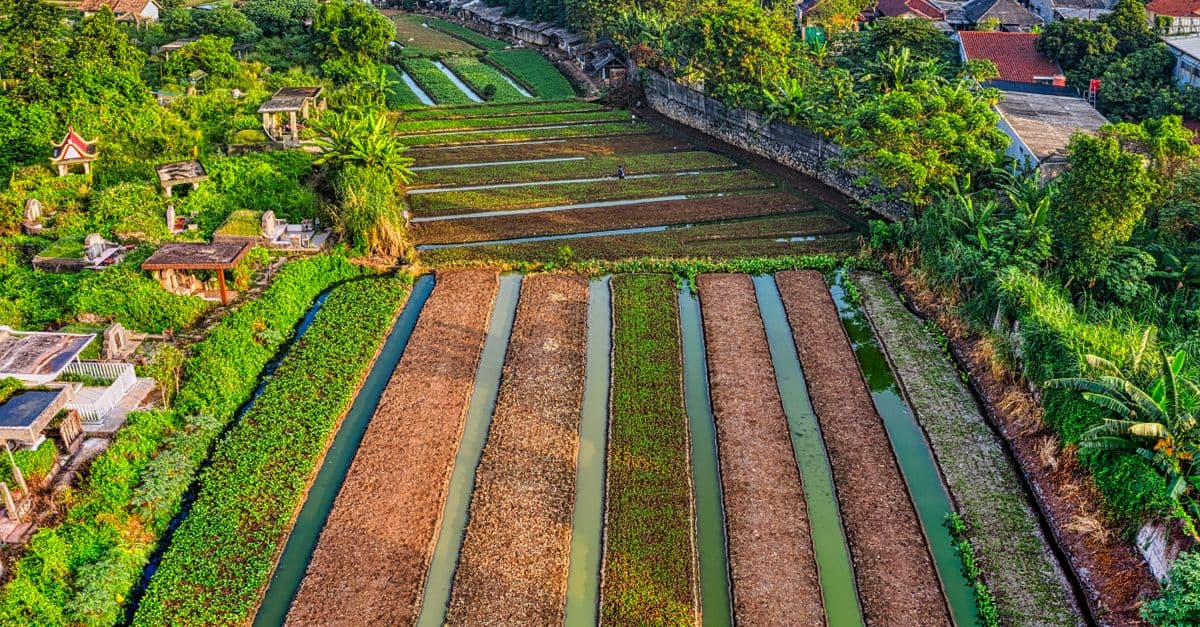
Create comprehensive agricultural development interventions tailored to specific communities by integrating local agro-ecological conditions, stakeholder expertise, and monitoring frameworks. You'll develop implementation roadmaps that combine research evidence with practical feasibility assessments, ensuring interventions address real farmer needs while building capacity for long-term sustainability.
 by jkfnc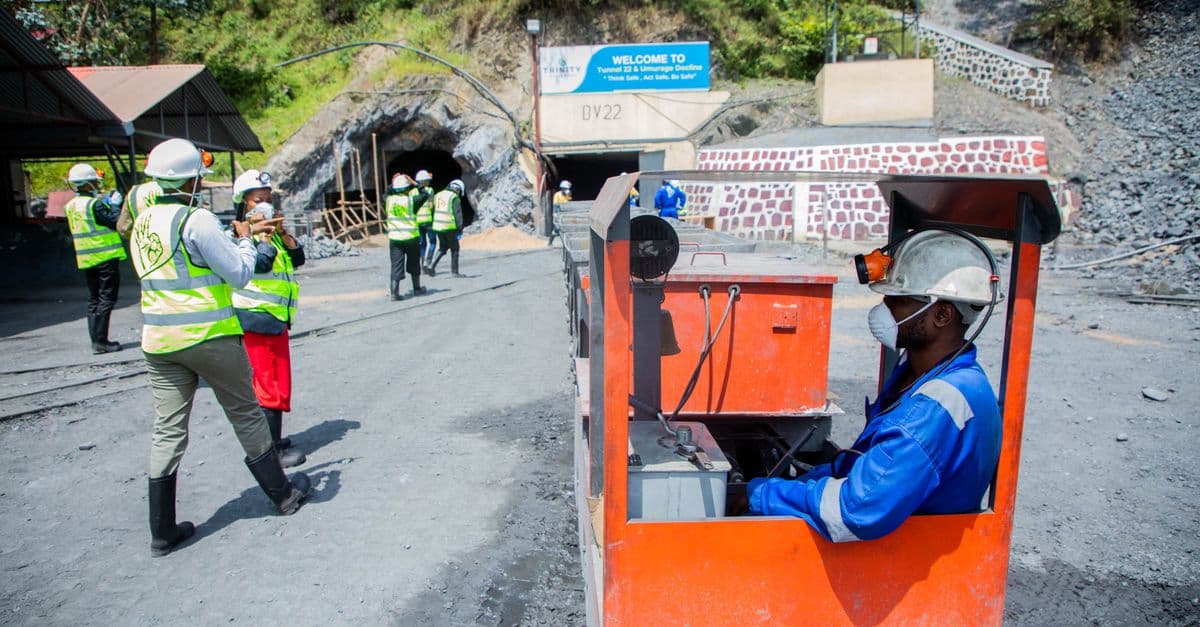
You can leverage Claude to analyze geological logs and rock mass data, calculate optimized drill patterns with precise burden-spacing, predict fragmentation distribution and muckpile behavior, and generate complete blast design documentation that meets regulatory requirements. Claude helps you explore trade-offs between fragment size and powder factor, assess environmental sensitivity, design perimeter control strategies, and troubleshoot previous blast performance to continuously improve outcomes.
by jkfnc
You can create comprehensive, evidence-based education programs tailored to low-resource development contexts, integrating equity analysis and cultural adaptation strategies from the start. Claude helps you systematically address constraints while building sustainable frameworks that align with local priorities, available resources, and proven educational outcomes. The skill guides you through stakeholder engagement, curriculum design, and monitoring systems that ensure programs remain effective and equitable across diverse learning environments.
by jkfnc
This skill analyzes field data from humanitarian operations to forecast supply shortages before they occur, optimize distribution routes across complex geographies, and coordinate inventory across multiple sites. You provide operational data, and Claude delivers actionable logistics recommendations that reduce waste, improve response times, and ensure critical supplies reach those who need them most.
by jkfnc
You can diagnose underperforming leaching circuits by analyzing real-time metrics (temperature, pH, solid/liquid ratio, reagent consumption, aeration) against hydrometallurgical first principles. The skill predicts how parameter changes affect metal recovery rates and reagent efficiency, then delivers systematic optimization recommendations to close performance gaps, reduce reagent waste, and accelerate circuit commissioning or troubleshooting timelines.
by jkfnc
Upload or paste real-time ventilation monitoring data—temperature readings, gas concentrations (CO₂, CH₄, O₂), airflow rates, and pressure differentials—and Claude analyzes patterns to diagnose specific problems like fan failures, duct blockages, recirculation zones, or inadequate fresh air distribution. You get a structured diagnostic report with identified root causes and prioritized corrective actions, ready to present to your team or regulatory inspectors.
by jkfnc
Conduct rapid, evidence-based governance assessments across multiple institutional dimensions to identify capacity gaps and generate prioritized reform recommendations. You'll map stakeholder landscapes, benchmark performance against governance standards, and produce actionable institutional development roadmaps tailored to your context.
by jkfnc
You can design comprehensive, multi-source data collection systems that integrate quality assurance and field documentation for development projects. The skill helps you develop sampling strategies tailored to your project scope, create standardized data collection tools, and establish quality protocols that ensure reliable M&E outcomes. You'll produce complete frameworks that balance data rigor with practical field implementation constraints.
by jkfnc