

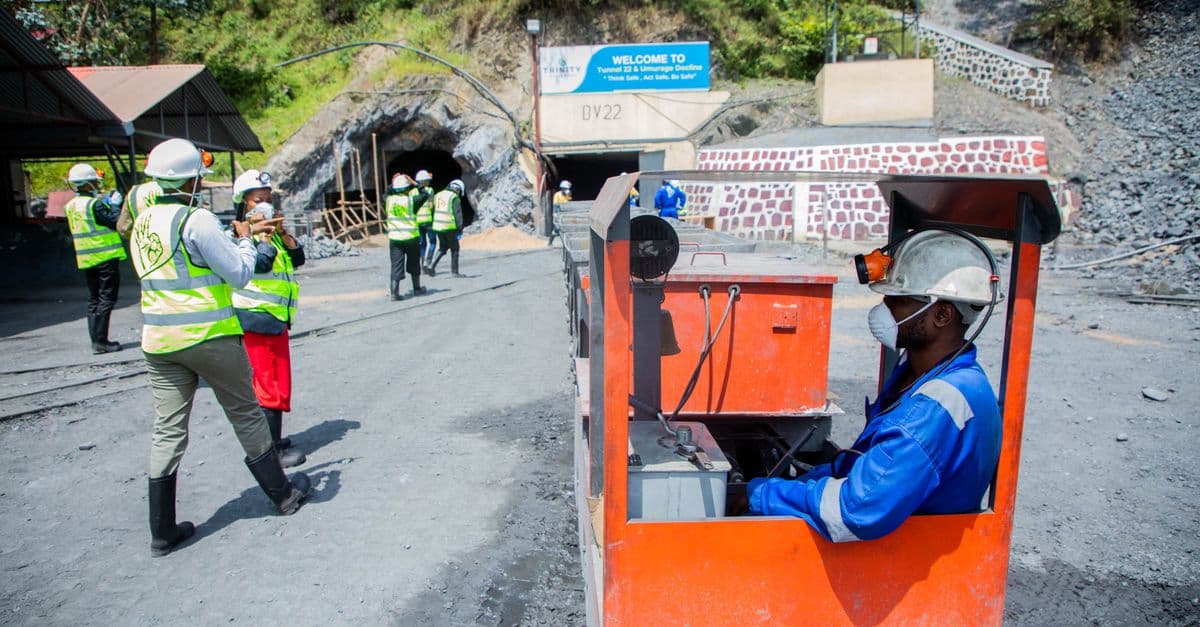
Drill & Blast Design Optimization
Optimize blast designs with geological analysis and regulatory-compliant engineering
What You Can Do
You can leverage Claude to analyze geological logs and rock mass data, calculate optimized drill patterns with precise burden-spacing, predict fragmentation distribution and muckpile behavior, and generate complete blast design documentation that meets regulatory requirements. Claude helps you explore trade-offs between fragment size and powder factor, assess environmental sensitivity, design perimeter control strategies, and troubleshoot previous blast performance to continuously improve outcomes.
Features
interprets rock type, RQD, UCS, and structural features to inform blast parameter selection
checks drill pattern geometry against industry standards and site-specific constraints
models expected fragment size distribution and muckpile behavior based on powder factor and hole spacing
explores cost-per-ton impact and performance trade-offs across different charge configurations
generates blast sequences to minimize wall damage and flyrock risk
produces compliance-ready blast design reports with full technical justification
recommends detonator delays to control blast direction and sequencing efficiency
analyzes previous results (vibration, fragmentation, oversize) to refine future designs
Example Output
Example 1: Burden-Spacing Optimization Input: Granite pit, RQD 65%, hole diameter 127mm, bench height 12m Output: Recommended burden 3.8m, spacing 4.2m, powder factor 0.85 kg/bcm, with fragmentation prediction showing 60% passing 150mm
Example 2: Perimeter Control Blast Input: High-wall adjacent to processing plant, sensitive structure 150m away Output: Reduced powder factor design (0.62 kg/bcm), staggered perimeter timing sequence, vibration modeling predicting <10mm/s at structure, regulatory compliance checklist
Example 3: Blast Design Troubleshooting Input: Previous blast produced excessive fines (40% passing 25mm), 2m flyrock event Output: Root cause analysis (excess powder factor 1.1 kg/bcm), revised design at 0.78 kg/bcm, modified delay timing, predicted outcome with 25% fines reduction
What's Included
- SKILL.md: complete skill instruction file with workflows and best practices
- Geological Assessment Template: standardized checklist for gathering rock quality, structural, and site data
- Blast Design Calculation Framework: burden-spacing calculator, powder factor optimizer, and fragmentation prediction model
- Regulatory Compliance Checklist: documentation requirements, environmental sensitivity flags, and sign-off protocols
- Troubleshooting & Performance Log: structured format for recording blast outcomes and refining designs iteratively
Who It's For
- Mine engineers designing blast patterns for open pit and underground operations
- Blasting supervisors optimizing powder factors and reducing operational costs
- Geotechnical specialists assessing fragmentation and wall stability impacts
- Environmental and compliance officers documenting blast design rationale for regulatory review
- Mining operations managers evaluating blast performance and cost-per-ton improvements
Best For
- Designing blast patterns for new ore bodies, pit expansions, and operational changes
- Optimizing powder factor and hole spacing to improve fragment size distribution
- Analyzing geological logs and adjusting blast parameters for varying rock mass quality
- Predicting fragmentation outcomes and muckpile behavior before execution
- Generating regulatory-compliant blast design documentation and compliance reports
- Troubleshooting previous blast performance (flyrock, vibration, over/undersize fragmentation)
You might also like

You can design optimized blast patterns by laying out drill hole grids with calculated spacing and burden values, then validate charge calculations against permit limits and vibration thresholds. The skill verifies regulatory compliance by assessing peak particle velocity (PPV), calculating blast radiuses, and confirming adherence to environmental permit conditions—all while generating standardized blast documentation ready for review.
 by jkfnc
You can transform raw water quality lab results into comprehensive, regulatory-aligned compliance reports. This skill analyzes chemical parameters (pH, metals concentration, sulfates, TSS), generates trend analysis, flags non-compliance incidents, and produces stakeholder communications—automating the entire assessment workflow while ensuring accuracy and legal compliance for NPDES permits, state discharge standards, and permit renewal applications.
by jkfnc
You can design comprehensive, multi-source data collection systems that integrate quality assurance and field documentation for development projects. The skill helps you develop sampling strategies tailored to your project scope, create standardized data collection tools, and establish quality protocols that ensure reliable M&E outcomes. You'll produce complete frameworks that balance data rigor with practical field implementation constraints.
by jkfnc
Upload or paste real-time ventilation monitoring data—temperature readings, gas concentrations (CO₂, CH₄, O₂), airflow rates, and pressure differentials—and Claude analyzes patterns to diagnose specific problems like fan failures, duct blockages, recirculation zones, or inadequate fresh air distribution. You get a structured diagnostic report with identified root causes and prioritized corrective actions, ready to present to your team or regulatory inspectors.
by jkfnc
This skill analyzes field data from humanitarian operations to forecast supply shortages before they occur, optimize distribution routes across complex geographies, and coordinate inventory across multiple sites. You provide operational data, and Claude delivers actionable logistics recommendations that reduce waste, improve response times, and ensure critical supplies reach those who need them most.
by jkfnc
You can diagnose underperforming leaching circuits by analyzing real-time metrics (temperature, pH, solid/liquid ratio, reagent consumption, aeration) against hydrometallurgical first principles. The skill predicts how parameter changes affect metal recovery rates and reagent efficiency, then delivers systematic optimization recommendations to close performance gaps, reduce reagent waste, and accelerate circuit commissioning or troubleshooting timelines.
by jkfnc
You can rapidly analyze complex ore processing datasets to identify performance bottlenecks across flotation, leaching, smelting, and roasting circuits. Claude structures your operational data into diagnostic frameworks, interprets assay results in context of mineralogy and chemistry, and designs targeted experiments with predicted outcomes. You'll generate operator guides, troubleshooting trees, and technical documentation grounded in process chemistry—accelerating root-cause analysis and flowsheet optimization.
by jkfnc
Create comprehensive agricultural development interventions tailored to specific communities by integrating local agro-ecological conditions, stakeholder expertise, and monitoring frameworks. You'll develop implementation roadmaps that combine research evidence with practical feasibility assessments, ensuring interventions address real farmer needs while building capacity for long-term sustainability.
by jkfnc