

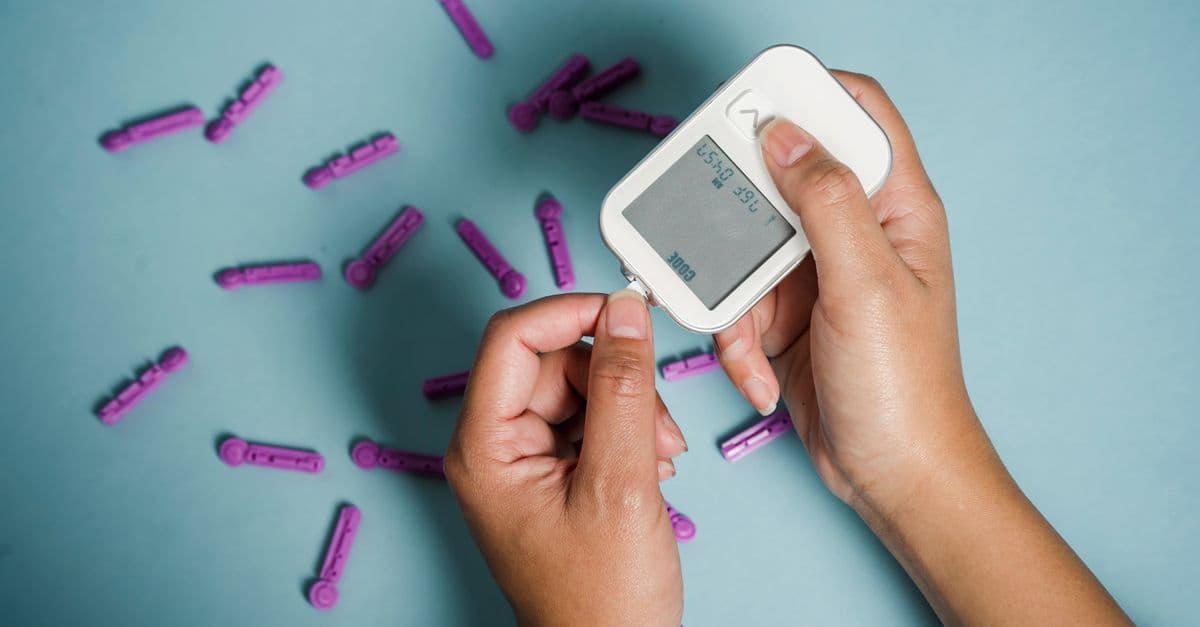
Diabetic Foot Risk Assessment & Care Planning
Stratify diabetic foot risk and generate evidence-based care plans in minutes
What You Can Do
You can rapidly assess diabetic foot patients using validated risk frameworks, identify neuropathy and vascular complications, and generate personalized, evidence-based care plans tailored to each patient's risk level. The skill integrates clinical screening protocols, prevention strategies, and documentation templates to reduce ulcer incidence and guide patient management decisions.
Features
Evaluates patients across Wagner classification, UT/IWGDF risk categories, and Texas classification to provide comprehensive risk assessment
Prompts for monofilament testing, vibration sense, ankle reflexes, pedal pulses, and skin temperature to detect peripheral neuropathy and vascular insufficiency
Generates risk-stratified care pathways including footwear recommendations, self-care instructions, monitoring frequency, and specialist referral criteria
Prioritizes preventive measures (offloading, skin care, education) and treatment options based on current clinical guidelines and patient risk profile
Creates tailored patient handouts on daily foot inspection, ulcer prevention, medication adherence, and when to seek urgent care
Structures assessment findings, risk scores, and care plan decisions into audit-ready documentation compliant with medical record standards
Recommends visit frequency, imaging intervals, and reassessment timelines based on risk level and complication history
Incorporates prior ulcers, amputations, infections, and hospitalizations to refine risk estimates and intensify preventive strategies
Example Output
Patient: John D., 58M with Type 2 Diabetes
Risk Assessment Result: HIGH RISK (Wagner Grade 2 equivalent)
- Severe sensory neuropathy (monofilament: unable to sense 10g at hallux)
- Diminished dorsalis pedis pulse (bilateral)
- Prior history of plantar ulcer (healed 2 years ago)
Care Plan Summary
-
Immediate Actions (this visit)
- Custom therapeutic footwear prescription → podiatry referral
- Daily foot inspection training + photographic documentation
- Pressure offloading insoles + rocker-soled shoes
-
Monitoring Schedule
- Return visit in 2 weeks to assess footwear fit
- Vascular labs: ankle-brachial index, toe pressures
- Endocrinology for glucose intensification
-
Patient Education
- Handout: "Daily Foot Care Checklist" (laminated, take-home)
- Instructions: Inspect feet twice daily, never use heating pads, moisturize between toes
- Red flags: warmth, redness, swelling, open sores → call immediately
-
Follow-Up
- Clinic visits: every 3 months
- Comprehensive foot assessment: annually
- Coordinate care: Podiatry, Vascular Surgery, Endocrinology
What's Included
- Risk Stratification Frameworks: Complete Wagner, UT/IWGDF, and Texas classification logic with scoring algorithms and threshold interpretation
- Clinical Assessment Protocols: Detailed screening checklists for neuropathy, vascular disease, skin integrity, mobility, and psychosocial factors
- Care Plan Templates: Pre-built templates for footwear prescriptions, self-care instructions, monitoring schedules, and specialist referral letters
- Patient Handouts & Education Materials: Ready-to-print materials on daily foot care, ulcer prevention, medication adherence, and warning signs requiring urgent evaluation
- Evidence-Based Guideline Reference: Current recommendations from ADA, ACFAS, IWGDF, and specialty societies for prevention, screening, and treatment
- Documentation Checklists: Audit-ready structures for recording exam findings, risk scores, diagnoses, care plan decisions, and patient education delivery
Who It's For
- Podiatrists and Foot Specialists
- Endocrinologists and Diabetes Specialists
- Primary Care Physicians
- Nurse Practitioners and Physician Assistants
- Certified Diabetes Educators and Care Coordinators
Best For
- Initial diabetic foot risk stratification at first encounter
- Developing personalized prevention and management care plans
- Creating patient education materials tailored to risk level
- Establishing monitoring schedules and follow-up protocols
- Documenting clinical decision-making for medical records and audits
You might also like

You can systematically generate ranked differential diagnoses for presenting complaints (chest pain, dyspnea, abdominal pain, headache, joint pain, fatigue) by applying evidence-based clinical decision rules and risk stratification. The skill helps you identify red flags that change management priority, justify test selection to supervising physicians, and document diagnostic reasoning in the medical record while reducing anchoring bias and ensuring comprehensive consideration of serious diagnoses.
 by gptomics
You can conduct comprehensive, real-time labor progression assessments that integrate cervical findings, descent patterns, uterine contractions, and psychosocial factors into structured clinical evaluations. The skill synthesizes complex obstetric data aligned with ACNM standards and birth center protocols, enabling you to identify prolonged labor or arrest disorders early and make informed decisions about continuing birth center support or recommending transfer before complications develop.
by gptomics
You can rapidly synthesize complex patient data—comorbidities, functional status, labs, medications—into a comprehensive risk profile and actionable optimization plan. This skill guides you through ASA classification, procedure-specific risk stratification, and patient-centered consent documentation to ensure thorough clinical reasoning and defensible preoperative assessment.
by gptomics
This skill guides you through structured psychiatric case formulation using a biopsychosocial framework. You input patient presentation, assessment data, and clinical history, then receive a comprehensive formulation that integrates symptom synthesis, differential diagnosis reasoning, predisposing/precipitating/perpetuating factors, protective factors, and evidence-based treatment recommendations. The output is suitable for clinical documentation, insurance authorizations, case conferences, and supervision.
by gptomics
You can conduct comprehensive subluxation assessments on pediatric patients by integrating structural examination findings, functional limitations, parental observations, and neurological indicators within a developmental context. Claude helps you correlate specific subluxations to presenting complaints (colic, ear infections, torticollis, scoliosis patterns) and create objective documentation suitable for insurance, medical records, and referral purposes. You'll develop age-appropriate treatment plans that address both the subluxation and the child's unique physiological stage.
by gptomics
You can perform structured sports injury evaluations that incorporate mechanism-of-injury analysis, orthopedic special testing, functional movement screening, and clear referral criteria. The skill helps you differentiate soft tissue restrictions from joint dysfunctions, establish baseline function, and create evidence-based return-to-play milestones tailored to the athlete's sport and position. You'll generate documentation suitable for insurance records, team physician communication, and liability protection.
by gptomics
You synthesize current clinical evidence into structured protocols tailored to your specialty and institutional context. This skill helps you build physician-nurse collaborative decision frameworks, identify implementation barriers before rollout, and create adoption guides that account for resource constraints and stakeholder buy-in. You'll develop protocols ready for medical staff committees and bedside teams—not generic templates, but specialty-specific standards that bridge research and practice.
by gptomics
You can create comprehensive, evidence-based perioperative pain management protocols tailored to individual patient characteristics and surgical requirements. The skill assesses patient risk factors, recommends optimized multimodal analgesia regimens with specific drug selections and dosing rationales, incorporates regional techniques when appropriate, and identifies contingency plans for inadequate pain control or contraindications. This enables you to move beyond generic guidelines toward truly personalized pain management strategies that reduce opioid exposure while maintaining analgesia.
by gptomics