


Dental Trauma Assessment & Treatment Protocol
Systematize acute dental trauma triage and evidence-based treatment planning
What You Can Do
You can rapidly triage acute dental trauma cases using evidence-based diagnostic criteria, systematically evaluate pulp vitality through multiple testing modalities, classify injuries (uncomplicated/complicated crown fractures, root fractures, luxations, avulsions), and generate comprehensive treatment plans within critical time windows. The skill helps you standardize documentation, assess root development implications, and determine whether immediate or delayed endodontic intervention is appropriate for optimal pulpal preservation.
Features
categorizes uncomplicated crown fractures, complicated crown fractures, root fractures, and luxation injuries (concussion, subluxation, lateral luxation, intrusion, extrusion, avulsion)
guides systematic evaluation using percussion, palpation, thermal testing, and electric pulp testing to determine viability status
identifies fracture lines, root development stage, bone support loss, and displacement patterns for treatment sequencing
accounts for critical windows for pulpal rescue, replantation success, and splinting requirements based on injury type
adjusts treatment recommendations for immature vs. mature roots and apical closure status
addresses crown-root fractures extending below the gingival margin and apical thirds
prioritizes treatment sequencing when multiple teeth are traumatized
captures all relevant findings for insurance, medicolegal, and treatment record purposes
Example Output
Example 1: Complicated Crown-Root Fracture
- Injury Classification: Complicated crown-root fracture with mesial extension below alveolar crest
- Pulp Status: Positive response to electric pulp test; no periapical radiolucency
- Root Development: Mature apices, complete root formation
- Immediate Treatment: Supragingival fragment reattachment or restoration; monitor pulp vitality at 1, 4, and 12 weeks
- Endodontic Plan: Elective root canal therapy if vitality lost; operative microscopy recommended for subgingival assessment
Example 2: Lateral Luxation with Immature Root
- Injury Classification: Lateral luxation, ~7mm displacement, immature root development
- Pulp Status: No response to electric pulp test; positive response to cold
- Immediate Treatment: Reposition and flexible splint for 3-4 weeks; avoid rigid immobilization
- Endodontic Plan: Apexogenesis protocol if vitality returns; monitor for internal resorption; consider waitlist approach given open apex
Example 3: Avulsion with 45-Minute Out-of-Mouth Time
- Injury Classification: Complete avulsion, stored dry for 45 minutes
- Pulp Status: Vitality assessment deferred; tissue prognosis guarded
- Immediate Treatment: Gentle root cleaning, physiologic saline rinse, replantation under local anesthesia, passive splinting (0.5mm wire)
- Endodontic Plan: Initiate root canal therapy within 2 weeks; monitor for external root resorption at 4-week intervals
What's Included
- SKILL.md: complete trauma assessment protocol with clinical decision trees
- Trauma Classification Checklist: categorization matrix for all fracture types and luxation injuries
- Pulp Vitality Testing Protocol: systematic evaluation framework using percussion, thermal, and electric testing
- Radiographic Interpretation Guide: pattern recognition for fracture lines, displacement, bone support, and root development
- Treatment Planning Templates: immediate vs. delayed intervention protocols by injury type and patient age
Who It's For
- Endodontists managing acute trauma emergencies in private practice or hospital settings
- General dentists triaging dental trauma before specialist referral
- Prosthodontists assessing trauma cases requiring coordinated restorative-endodontic treatment
- Pediatric dentists evaluating trauma in primary and immature permanent dentitions
- Dental emergency clinic providers standardizing trauma assessment protocols
Best For
- Acute triage of patients with dental trauma within 24-72 hours of injury
- Systematic documentation of fracture severity and pulp vitality status
- Treatment planning for time-sensitive decisions (replantation, splinting, endodontic timing)
- Coordinating multi-tooth trauma cases with treatment sequencing
- Assessing complications (external resorption, ankylosis risk) in delayed presentation cases
You might also like
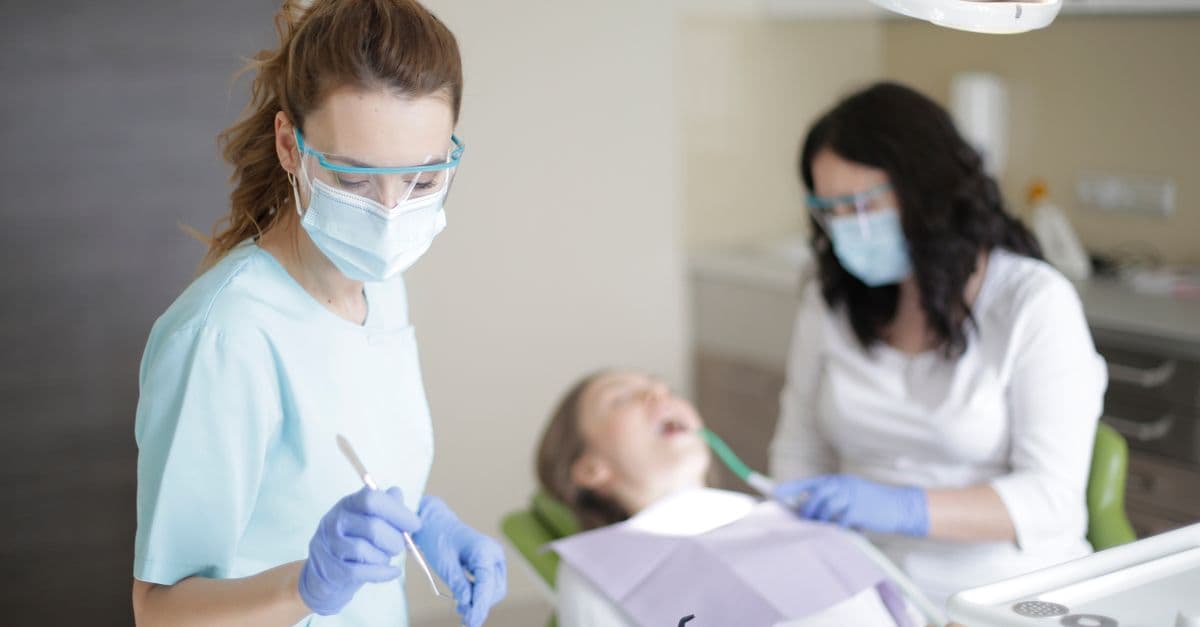
You can systematically develop phase-by-phase orthodontic treatment protocols that synthesize diagnostic data, patient anatomy, and mechanical principles. This skill generates detailed appliance selection recommendations, extraction vs. non-extraction analyses, wire progression sequences, and clinical milestones to guide efficient execution from initial placement through retention for complex malocclusions requiring three-dimensional control.
 by comeonoliver
You can input detailed case information—including patient history, radiographic findings, clinical examination results, and anatomical considerations—and receive a comprehensive treatment analysis. The skill generates structured case summaries, identifies critical diagnostic elements, evaluates treatment options (conventional endodontic, surgical, or extraction), and produces documentation-ready prognosis assessments that support clinical decision-making and patient communication.
by comeonoliver
Stop bleeding money on forgotten subscriptions and negotiable expenses. This skill systematically dissects your spending, exposes hidden patterns you've overlooked, and generates a prioritized action plan that typically uncovers $2,000-$8,000+ in annual savings. You'll get specific negotiation templates, insider tips for lowering bills, and a complete expense audit that tells you exactly where your money is really going.
by comeonoliver
You can generate complete treatment plans for traditional fixed appliance cases by integrating diagnostic data, skeletal/dental analysis, and biomechanical principles. Claude helps you structure extraction vs. non-extraction decisions, design anchorage control strategies, sequence mechanics systematically, and create patient-facing narratives that explain your clinical rationale. This skill is designed for moderate-to-complex cases where defensible clinical reasoning and treatment efficiency optimization are critical.
by comeonoliver
This skill provides endodontists with a systematic protocol for assessing acute dental trauma cases, establishing urgency levels based on injury type and pulp vitality indicators, and creating documented baseline diagnostics that inform treatment decisions. You'll apply standardized assessment criteria across crown fractures, root fractures, luxation injuries, and avulsions—determining which cases need immediate intervention, which benefit from staged treatment, and which require specialist consultation or referral.
by comeonoliver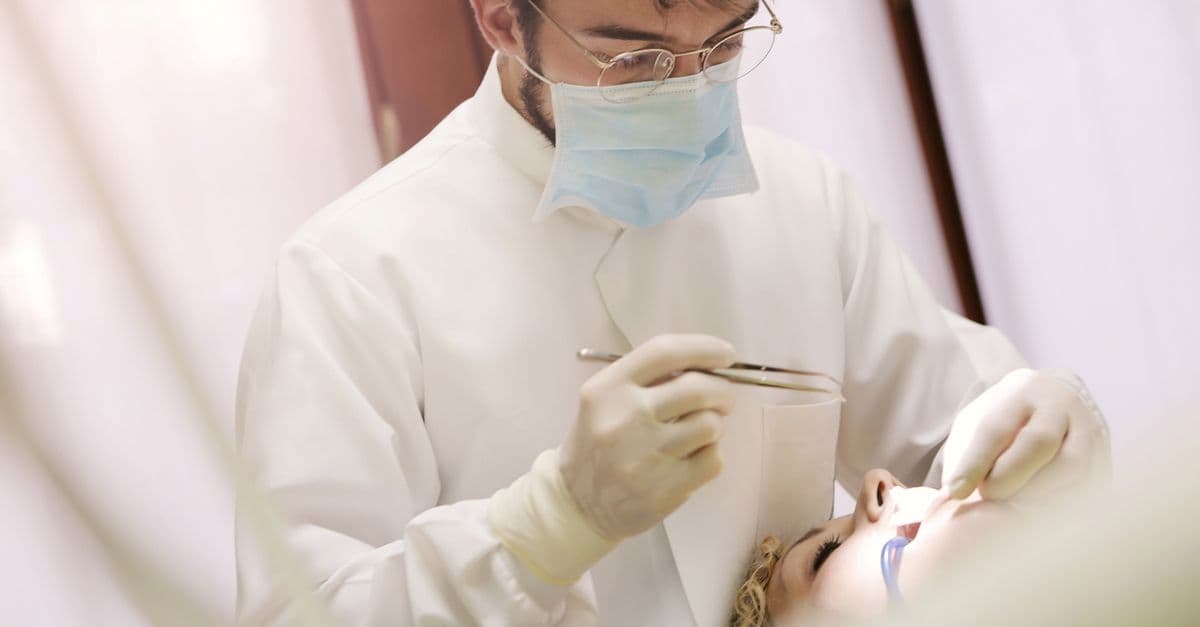
You can comprehensively analyze failed root canal cases to pinpoint why initial treatment didn't succeed—whether due to technical errors, anatomical challenges, or biological factors. Claude helps you develop systematic retreatment protocols, document clinical decision-making for peer review and medicolegal protection, and create patient-facing explanations of treatment failure mechanisms.
by comeonoliver
You can systematically assess acute dentoalveolar injuries using structured frameworks that classify fracture types, luxation stages, and avulsion status. The skill guides you through rapid determination of urgency tiers, identifies associated injuries requiring coordination with other specialties, and establishes evidence-based treatment timelines—all while generating standardized documentation for medico-legal purposes.
by comeonoliver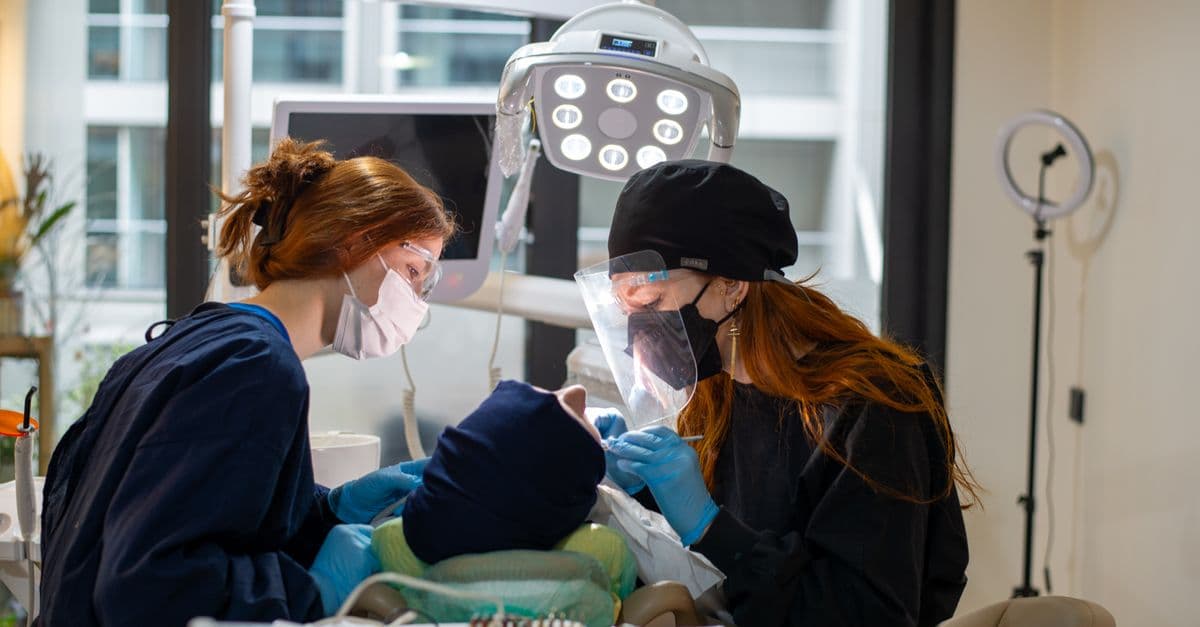
You can systematically evaluate patients with severe skeletal discrepancies and develop coordinated surgical treatment plans that integrate cephalometric analysis, surgical movement simulation, and patient communication strategies. This skill structures the entire pre-operative planning process—from baseline skeletal assessment through surgical consultation readiness—ensuring precise documentation and clear coordination with maxillofacial surgery partners.
by comeonoliver