


Body Panel Defect Analysis and Remediation
Diagnose body panel defects and engineer targeted remediation strategies

What You Can Do
You can rapidly diagnose panel defects—from paint finish issues to stamping anomalies—and trace them back to specific process variables or design parameters. This skill helps you distinguish between cosmetic issues, functional failures, and structural concerns, then map defects to controllable factors in manufacturing, material properties, or component design. You'll generate targeted remediation strategies with engineering justification suitable for cross-functional collaboration with manufacturing, materials, and design teams.
Features
systematically categorize paint, geometric, corrosion, and stamping defects by severity and impact domain
trace observed defects back to specific process variables, tooling conditions, material properties, or design parameters
assess stamping, welding, adhesive bonding, painting, and assembly process contributions to defects
develop targeted corrective actions with quantifiable success criteria and risk assessment
generate precise technical language for ECPs, failure analysis reports, and supplier/manufacturing collaboration
differentiate between design-induced failures and process-control failures to target corrections appropriately
connect warranty claims and customer complaints to root causes using systematic investigation methodology
Example Output
Paint Finish Defect Analysis:
- Observed: Orange peel texture on driver-side door panels, inconsistent across production batches
- Root cause hypothesis: Flash-off time reduction in spray booth (process change 3 weeks prior); inadequate solvent evaporation before air dry stage
- Remediation: Restore flash-off interval to 8 minutes; verify booth air velocity ≥100 cfm; implement real-time spray pattern documentation
Stamping Defect Evaluation:
- Observed: Radial splits on complex contour regions of fender after recent die maintenance
- Root cause: Excessive punch wear (0.3mm oversize) combined with material supplier change to higher yield-strength steel
- Remediation: Replace punch tooling; requalify material supplier draw ratio performance; add intermediate annealing cycle for deep-draw geometry
Weld Corrosion Failure:
- Observed: Pinhole corrosion at spot welds on roof panel edges within 18 months field exposure
- Root cause: Inadequate surface preparation pre-weld; water entrapment in crevice; insufficient flange protection coating thickness
- Remediation: Implement pre-weld deoxidizing wash; increase flange protection coat to 80 µm; validate edge-flange sealing process
What's Included
- SKILL.md: Complete defect diagnosis and remediation framework
- Defect Classification Matrix: Structured taxonomy of panel defects by type, severity, and domain (paint, geometric, structural, corrosion)
- Root Cause Investigation Template: Systematic prompts for process variable evaluation, material property assessment, and design parameter analysis
- Remediation Strategy Worksheet: Evidence-based action planning with success criteria, risk assessment, and cross-functional accountability
- ECP and Failure Analysis Report Generator: Technical communication templates for manufacturing and design team collaboration
Who It's For
- Body engineers — investigating panel defects and developing manufacturing process improvements
- Quality engineers — conducting root cause analysis on warranty claims and field failures
- Manufacturing engineers — troubleshooting process anomalies and validating corrective actions
- Design engineers — evaluating design contributions to panel defects and creating design revisions
- Supplier quality managers — collaborating on material or component defect resolution with OEM engineering teams
Best For
- Paint finish troubleshooting (orange peel, sag, cratering, color variation, runs)
- Stamping defect analysis (splits, tears, wrinkles, spring-back, geometric deviation)
- Weld and bonded joint corrosion or adhesion failures
- Dent and surface anomaly evaluation on production panels
- Engineering change proposal development with root cause justification
- Field warranty failure investigation and customer complaint analysis
You might also like
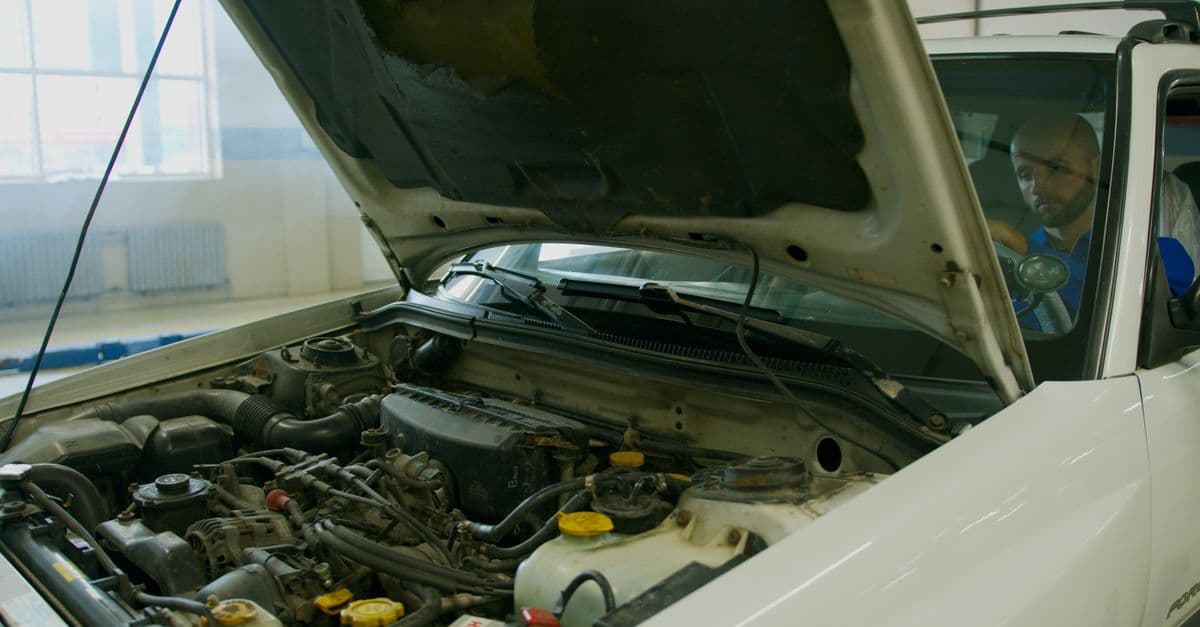
You can pinpoint the exact source of sensor fusion failures—whether they stem from misaligned camera/LiDAR/radar extrinsic calibration, timestamp desynchronization, data validation gaps, or algorithmic issues. This skill decomposes multi-modal perception errors into sensor-specific contributions and generates quantifiable diagnostic reports that directly guide calibration and testing teams toward fixes rather than blind troubleshooting.

You can analyze multi-dimensional steering system performance including torque characteristics, self-alignment torque, steering angle feedback, road feel transmission, and torque vectoring effects. Extract actionable insights from simulation and test data to identify root causes of steering feel issues, then develop tuning recommendations for steering gear ratios, EPS algorithms, suspension geometry effects, and torque vectoring control strategies.

You can design complete AUTOSAR 4.x system architectures by automating component allocation across abstraction layers, modeling port interactions and service interfaces, and validating compliance with AUTOSAR standards. Claude helps you create standardized architecture documentation, detect circular dependencies and interface mismatches, and generate port interaction matrices—accelerating ECU architecture development while ensuring standards adherence.
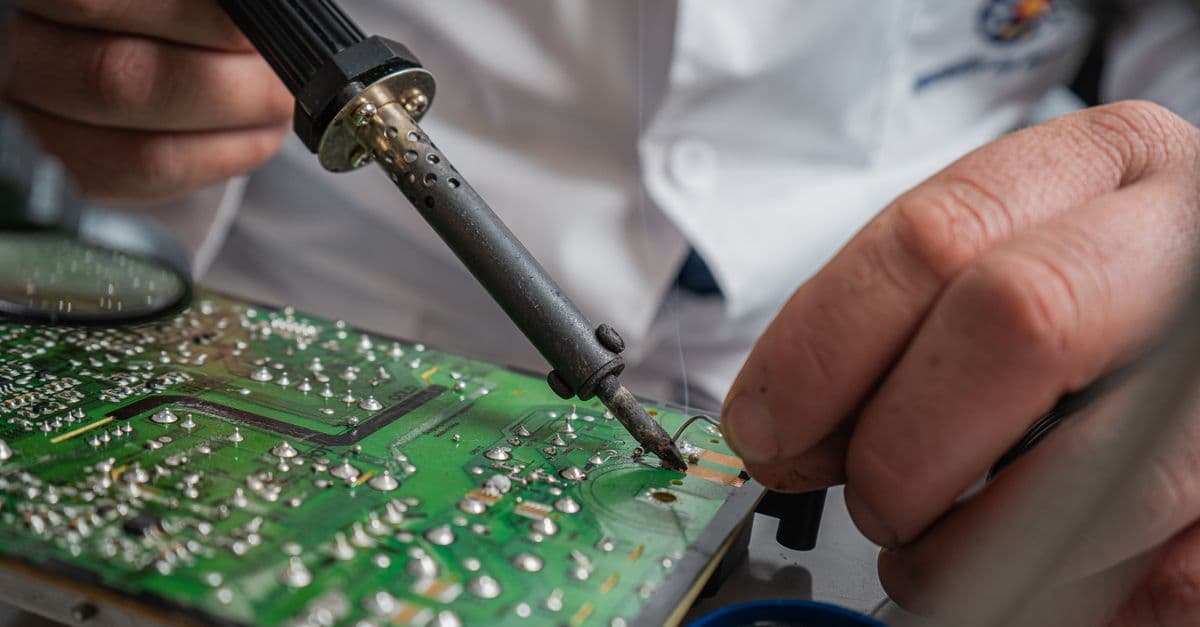
You can model transient and steady-state thermal behavior in EV power electronics, calculate junction temperature rise during driving cycles, and design cooling strategies that meet automotive thermal specifications. This skill helps you size heat sinks, evaluate thermal interface materials, compare active versus passive cooling approaches, and validate designs against AEC-Q200 and ISO 16750-3 standards.

You can validate AUTOSAR software architectures across multiple compliance dimensions—layer separation, component interfaces, port definitions, service interfaces, and communication semantics. The skill identifies structural violations, missing documentation artifacts, and compliance gaps early in the design phase, helping you catch issues before formal gates and functional safety audits. It generates architecture compliance reports and documentation needed for ISO 26262 functional safety reviews.
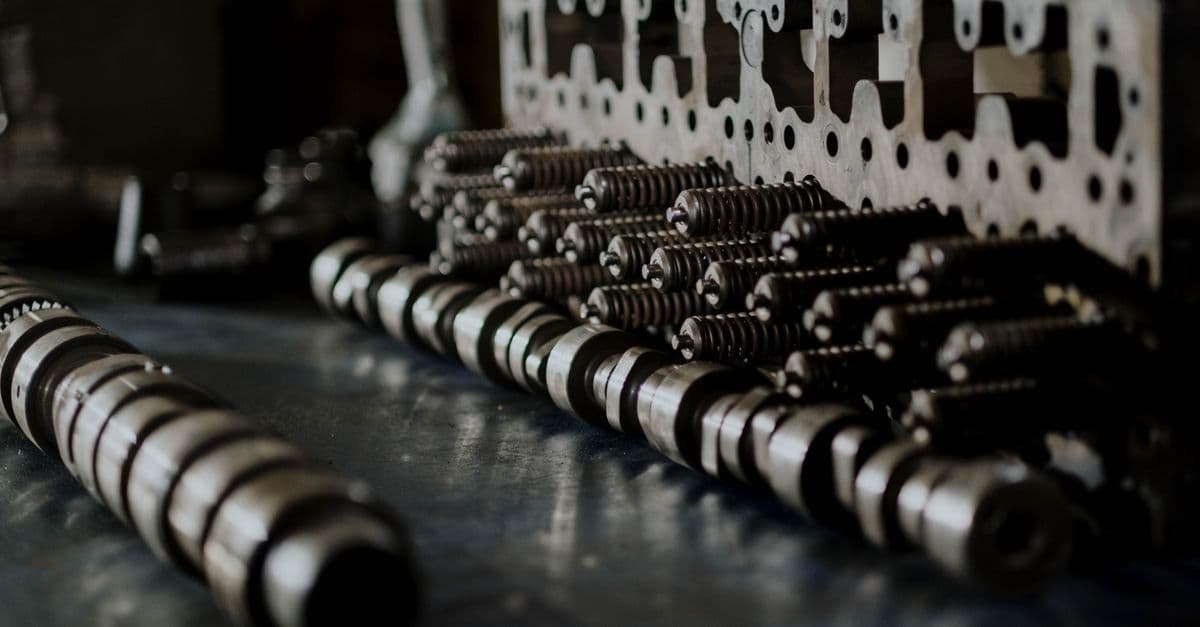
You can efficiently diagnose complex NVH concerns by working through a structured framework that correlates customer symptoms with potential powertrain failures. This skill helps you narrow diagnostic possibilities, recommend targeted testing sequences, distinguish between component failures and tuning issues, and substantiate warranty claims with technical evidence.

You can evaluate simulation scenarios against functional safety and SOTIF requirements, identify untested edge cases and high-risk operational design domains, map failure modes to root causes, and generate traceability matrices linking requirements to validation results. This skill transforms raw simulation data into defensible technical documentation that demonstrates test completeness and readiness for real-world deployment.

You can quantify sensor fusion performance across object detection, classification, tracking, and localization using standardized metrics. The framework helps you identify systematic failure modes in diverse environmental conditions, document safety-critical gaps, and generate structured evidence packages for ISO 26262 and SOTIF compliance. This enables you to benchmark sensor configurations, define perception KPIs, and support regulatory submissions with rigorous performance documentation.