


Automated Pattern Grading & Grade Rule Validation
Automate grade rule calculations and validate size progressions for pattern consistency
What You Can Do
Define base grade rules from your key measurements and size standards, apply consistent scaling to critical pattern points, and cross-validate grade progression against ASTM standards and brand benchmarks. Identify potential fit problems before grading occurs and generate documented grade rules for your production team, eliminating manual calculation errors and ensuring design integrity across your entire size run.
Features
Converts size chart measurements into precise pattern increment values for each measurement point
Verifies size progressions maintain mathematical logic across armhole depth, sleeve cap height, length, and width points
Cross-references your grades against ASTM D6240 benchmarks and common apparel sizing conventions
Identifies problematic progressions that may cause fit issues (e.g., disproportionate waist scaling)
Helps establish signature grading curves for different silhouettes (fitted, oversized, athletic, etc.)
Generates standardized grade rule sheets for production teams and supplier communication
Audits entire size runs simultaneously to catch inconsistencies across XS through XL ranges
Example Output
Example 1: Blouse Grade Rules Generated
Size Progression: XS → S → M → L → XL
Bust: +2" per grade (base: 34", final: 46")
Waist: +1.75" per grade (fitted curve)
Armhole Depth: +0.375" per grade
Sleeve Length: +0.5" per grade
Validation: ✓ PASS - Consistent ratio, within ASTM tolerance
Example 2: Grade Rule Audit Report
Style: Tailored Trousers
Finding: Inseam progression (0.625"/grade) is aggressive
Risk: May cause proportion issues in XS
Recommendation: Adjust to 0.5"/grade, extend front rise +0.125"
Standards Check: Proposed change aligns with RTW benchmarks
What's Included
- SKILL.md instruction file with grading methodology:
- Grade Rule Calculation Template: Input size chart, output automated increments
- Industry Standard Reference Guide: ASTM D6240 tolerance bands and brand benchmarks
- Validation Checklist: Step-by-step audit for consistency and fit risks
- Grade Rule Documentation Worksheet: Production-ready format for supplier communication
Who It's For
- Pattern Makers — Automating grading calculations and ensuring consistency across size runs
- Design Teams — Validating grade rules before production and preventing costly fit issues
- Technical Designers — Documenting grading methodology and auditing supplier specifications
- Quality Assurance Specialists — Auditing existing grades for consistency and brand standards compliance
- Apparel Manufacturers & Suppliers — Standardizing grade rule documentation across production facilities
Best For
- Developing initial grade rules for new silhouettes and style families
- Translating size charts into precise pattern increment values
- Validating and auditing existing grade progressions for fit and consistency
- Creating brand-specific grading curves for different garment categories
- Troubleshooting fit problems caused by inconsistent grade progression
You might also like
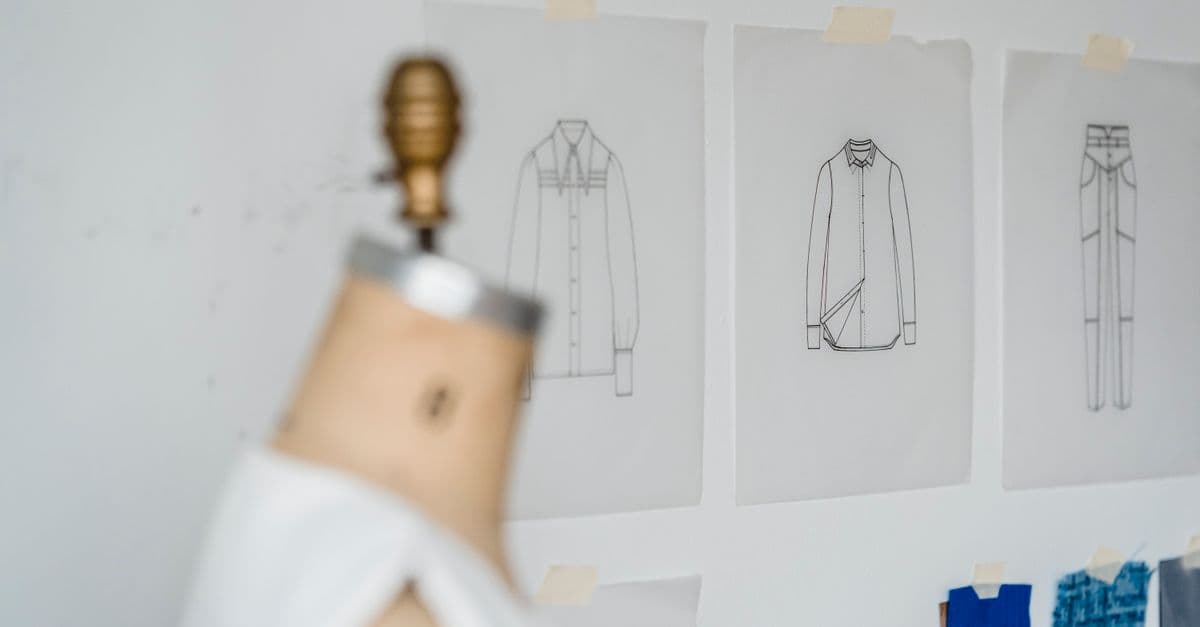
You'll create fully-formed accessory design concepts that synthesize market trends, technical requirements, and creative direction into professional design briefs. Each concept includes mood boarding guidance, detailed technical specifications, material recommendations, and manufacturing feasibility assessments—transforming inspiration into production-ready designs across bags, belts, jewelry, hats, scarves, and footwear accessories.
 by duskmoon314
You'll move beyond mood boards and sketches to create commercially viable silhouettes grounded in design logic and production reality. Claude helps you analyze proportions against target market expectations, evaluate design choices for manufacturability, generate detailed technical specifications, and document the rationale behind every silhouette decision—from hemline length to seam placement.
by duskmoon314
You can input master pattern measurements and grade rules, then generate validated size progressions across your entire size run (XS–3XL, numerical, or EU sizing). The skill calculates precise measurement increments for each pattern piece, identifies grading inconsistencies before production, and documents scaling relationships across bodice, sleeves, collars, and other components. You maintain creative control over grading decisions while leveraging automated verification to catch errors and ensure proportional fit across sizes.
by duskmoon314
This skill transforms your textile designs into complete manufacturing documentation that eliminates production errors and accelerates time-to-market. You'll generate detailed print specifications including colorway definitions, printing method compatibility notes, repeat structure documentation, quality standards, and technical requirements that manufacturing partners can execute precisely. It bridges the gap between creative intent and factory floor execution, ensuring consistency across production runs and multiple suppliers.
by duskmoon314
This skill automates the complex process of scaling base patterns across multiple sizes while maintaining design integrity and consistent fit. Claude analyzes your base pattern measurements and garment specifications to calculate precise grade increments (bust, waist, hip, length) across your entire size range, then generates optimized marker sheets that maximize fabric utilization and production efficiency. You can validate grading against ISO 3635, ASTM D5585, or brand-specific standards, identify fit issues before manufacturing, and produce documentation ready for offshore production teams.
by duskmoon314
You can transform functional requirements into precise, manufacturer-ready textile specifications that include quantified performance metrics, standardized test methods, regulatory compliance documentation, and cost-performance trade-off analysis. This skill guides you through creating technical specs for protective textiles, sportswear, industrial workwear, medical textiles, and automotive applications—ensuring every specification is executable, traceable, and meets end-use demands.
by duskmoon314
You can rapidly translate design briefs and market positioning into menswear-specific silhouettes with correct proportions, construction details, and brand-appropriate detailing. Claude analyzes your target customer, applies menswear proportion systems (drop measurements, chest emphasis, leg proportions), and generates silhouette families that maintain cohesion across price points while respecting menswear category conventions.
by duskmoon314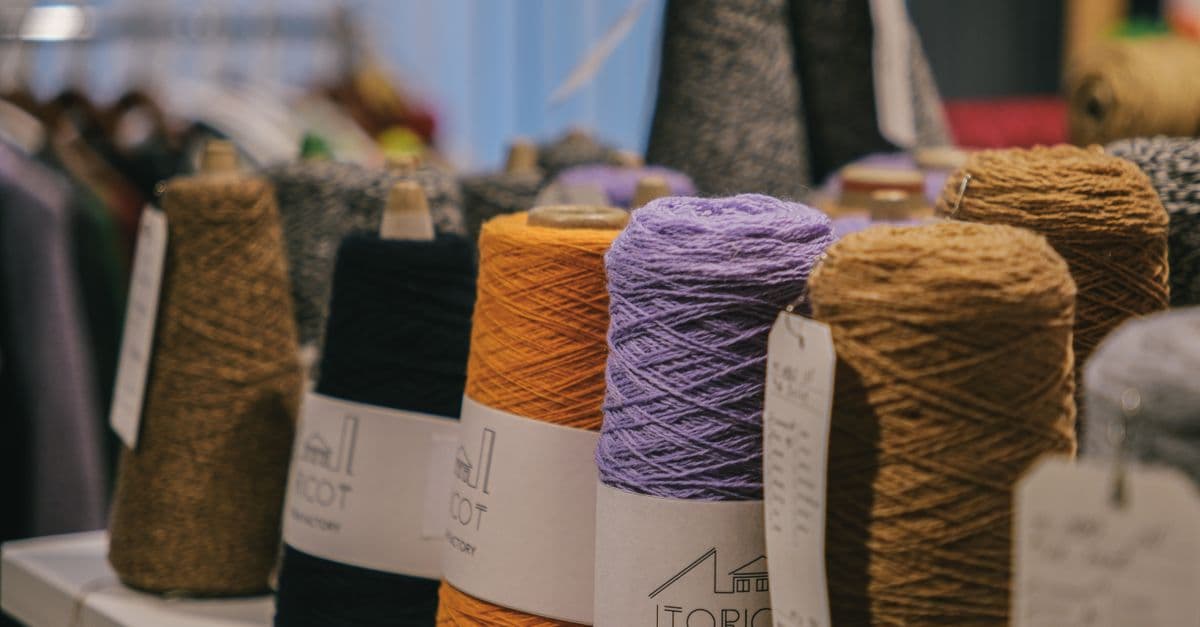
You can analyze fiber properties, yarn weights, twist specifications, and manufacturing constraints to make data-driven yarn selections that balance aesthetic goals with production feasibility and cost targets. This skill helps you predict fabric behavior, match design intent with yarn performance characteristics, and identify optimization opportunities—reducing the need for costly trial-and-error sampling while ensuring your designs meet both functional and manufacturing requirements.
by duskmoon314