


Crisis Communication Response & Multi-Stakeholder Messaging
Draft crisis communications with tone calibration and compliance checkpoints

What You Can Do
You can rapidly create professional crisis communications tailored to different stakeholders—employees, media, customers, investors, and regulators. The skill automatically adapts tone and content while maintaining consistent messaging across all audiences. Built-in compliance checkpoints ensure your communications meet legal and regulatory requirements, preventing messaging errors that could escalate the crisis.
Features
Generate audience-specific messaging variants for employees, media, customers, investors, and regulators with customized language and emphasis.
Adjust communication style across a spectrum—from empathetic and reassuring to authoritative and directive—based on audience and crisis type.
Automatic checkpoints flag language that could violate securities laws, employment regulations, data privacy rules, or contractual obligations.
Generate progressive updates from initial crisis response through recovery phases, with messaging that evolves appropriately over time.
Identify affected audiences, their concerns, and potential legal or reputational exposure for each stakeholder group.
Ensure key facts, talking points, and brand values are aligned across all audience variants to prevent conflicting narratives.
Flag problematic phrasing that could admit liability, trigger investigations, or worsen public perception—with revision suggestions.
Decision tree that adjusts message scope and urgency based on crisis level—from internal issue to systemic threat to public emergency.
Example Output
Internal Employee Notification (Tone: Reassuring & Transparent)
Subject: Important Update on [Incident]
Team,
We are aware of [specific incident] affecting [systems/operations]. Our response team is actively investigating and implementing immediate containment measures. We will share updates every 4 hours. Your role: [action]. Questions? Contact [escalation point].
Media/Public Statement (Tone: Authoritative & Accountability-Focused)
[Company] is aware of [incident] reported [time]. We take this matter seriously and have deployed our crisis response team. Initial findings: [fact]. Affected parties: [scope]. Remediation: [action and timeline]. Regulatory notification: [status].
Customer/Client Communication (Tone: Empathetic & Solution-Oriented)
We sincerely apologize for the disruption to your service. Here's what happened: [explanation]. What we're doing: [action]. Your compensation: [offer]. Next steps: [timeline].
What's Included
- Crisis Messaging Templates: Pre-structured formats for employee notifications, media statements, customer advisories, investor letters, and regulatory filings.
- Stakeholder Analysis Framework: Worksheets to map audiences, identify their concerns, assess exposure, and prioritize communication channels.
- Tone Calibration Guidelines: Reference guide for adjusting language, formality, and emphasis to match each stakeholder group and crisis phase.
- Compliance Validation Checklist: Automated review checklist covering securities disclosure, employment law, data privacy, contractual obligations, and regulatory requirements.
- Message Consistency Tracker: Tool to compare key facts and talking points across all audience variants and flag inconsistencies.
- Crisis Escalation Decision Tree: Logic flowchart to assess severity level and automatically adjust messaging scope, urgency, and audience priority.
Who It's For
- PR and Communications Directors
- Corporate Communications Managers
- General Counsel and Legal Teams
- C-Suite Executives (CEO, CFO, CRO)
- Crisis Management Team Leads
Best For
- Emergency Response Communications
- Multi-Stakeholder Alignment and Messaging
- Regulatory and Compliance Notification
- Employee Town Hall and All-Hands Preparation
- Investor Relations and Analyst Calls
You might also like

Convert your unstructured research notes into professionally structured white papers using strategic prompting patterns. This skill extracts key arguments from raw content, organizes them into compelling sections, and applies editorial polish that emphasizes authority and clarity. You'll produce publication-ready documents that move your audience to action.
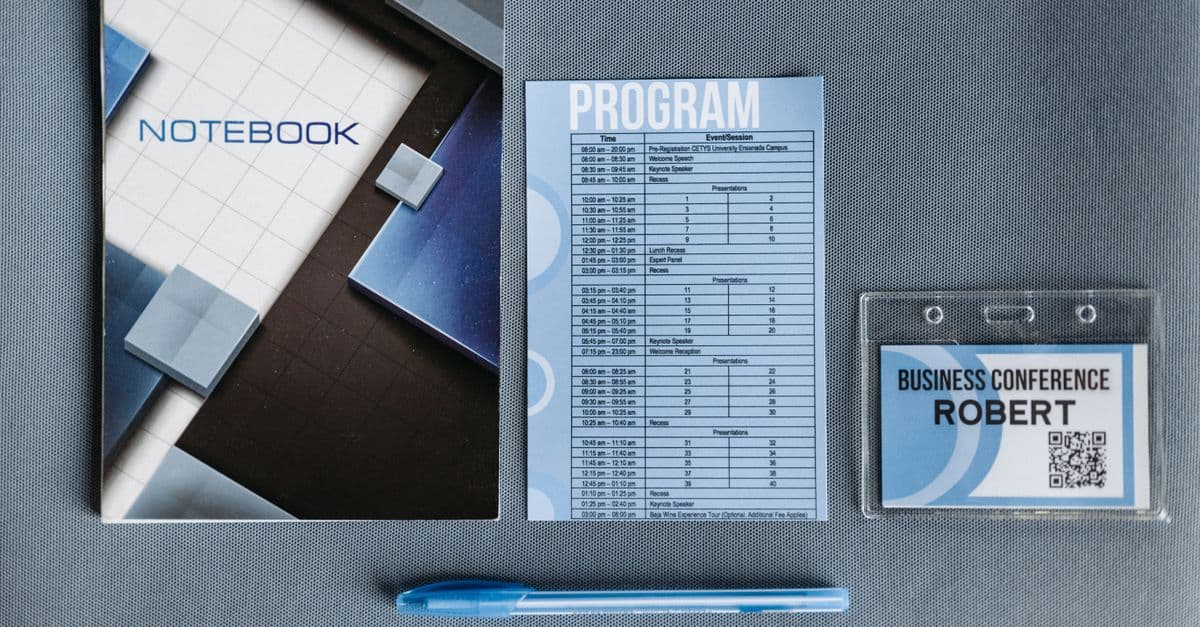
You'll generate complete, production-ready keynote speeches tailored to your audience, complete with speaker notes, timing cues, and impact optimization strategies. Each speech balances narrative storytelling with data-driven insights, includes pacing guidelines for optimal delivery impact, and provides specific guidance on emphasis, pauses, and audience engagement moments.

You provide your API specification (OpenAPI, Swagger, AsyncAPI, or raw specification), and this skill generates comprehensive, production-ready documentation including code examples, tutorials, integration guides, and troubleshooting sections. It transforms technical specifications into accessible developer guides that accelerate onboarding and reduce support questions.

You can draft, refine, and strategize corporate communications that resonate with different stakeholder groups while maintaining consistent brand voice. This skill helps you create audience-specific versions of key messages, develop crisis communication frameworks, and ensure all communications align with corporate policy and brand guidelines. Whether you're managing internal change communications, media relations, or stakeholder updates, you get structured guidance for professional, on-brand messaging.

This skill transforms raw API specifications into production-ready documentation. You provide endpoint schemas, request/response examples, and error conditions—Claude generates comprehensive docs with consistent formatting, complete error guides, and versioning annotations. Output is immediately usable in your API reference or developer portal.

This skill transforms raw customer success data into compelling, multi-format B2B case studies that drive conversions. You provide customer context and business outcomes, and it structures a persuasive narrative, extracts key metrics, generates targeted variations for different buyer personas, and produces formats for web, PDF, and social channels. It includes buyer journey mapping and messaging frameworks so your case study works across your entire sales and marketing funnel.

Transform hardware specifications, datasheets, and engineering data into clear, structured technical documentation tailored to different audiences. This skill automatically identifies safety requirements, ensures regulatory compliance, and generates audience-specific variants—from detailed technical manuals to user-friendly guides—reducing documentation time and improving accuracy.
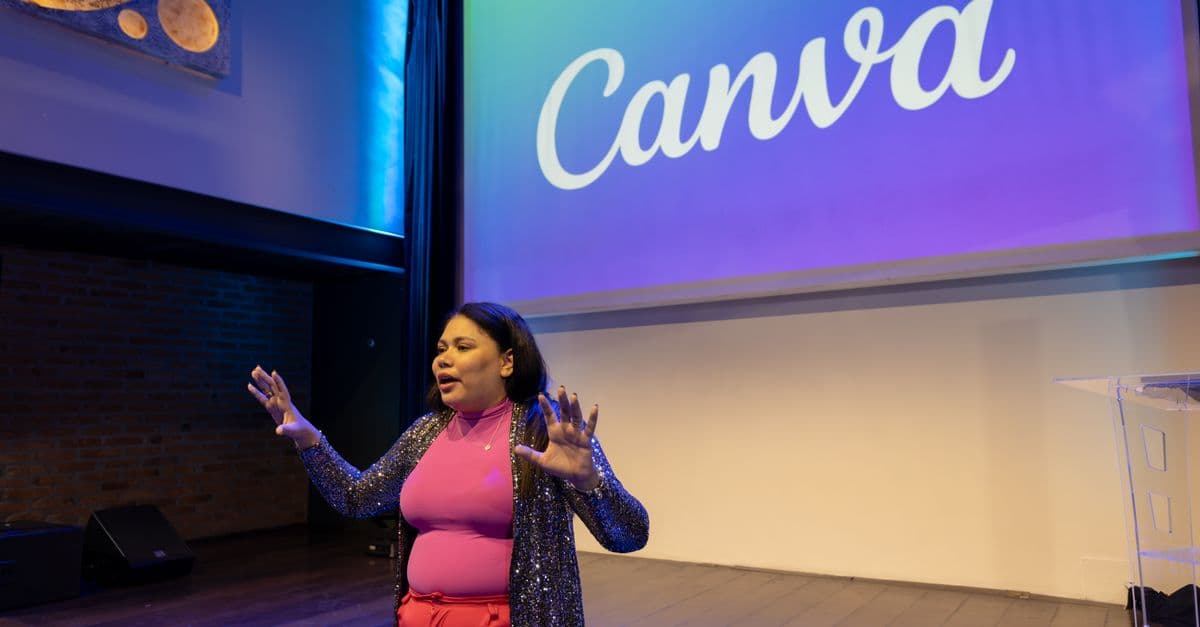
Generate complete keynote speeches structured for live delivery with precise timing cues, pacing calculations, and personalized voice calibration. You'll get a word-for-word manuscript annotated with delivery markers, audience engagement moments, and a persuasive call-to-action that lands. Claude handles story structure, messaging hierarchy, and rhetorical flow so you can focus on authentic delivery.