


Corporate Communications Strategist
Craft audience-specific corporate communications with brand consistency

What You Can Do
You can draft, refine, and strategize corporate communications that resonate with different stakeholder groups while maintaining consistent brand voice. This skill helps you create audience-specific versions of key messages, develop crisis communication frameworks, and ensure all communications align with corporate policy and brand guidelines. Whether you're managing internal change communications, media relations, or stakeholder updates, you get structured guidance for professional, on-brand messaging.
Features
Automatically tailors core messages for different stakeholder groups—executives, employees, customers, investors—ensuring relevance and resonance with each audience.
Maintains tone, style, and terminology across all communications by referencing your brand guidelines, preventing mixed messaging across channels and teams.
Provides pre-built response templates and decision trees for sensitive situations, helping you communicate quickly and confidently during emergencies.
Iteratively improves draft communications for clarity, impact, compliance, and emotional tone using targeted editing feedback and revision suggestions.
Identifies key audiences, their communication preferences, concerns, and information needs to inform messaging strategy and delivery approach.
Flags potential policy violations, regulatory concerns, or brand misalignments before communications go out, reducing risk and liability.
Adapts core messages for different platforms—email, intranet, social media, presentations, town halls—while maintaining message integrity.
Example Output
Example 1: Audience-Specific Layoff Announcement
Core message tailored for three audiences:
- For Affected Employees: Focuses on severance, support resources, transition timeline, and recognition of contributions
- For Remaining Employees: Emphasizes business continuity, future direction, career stability, and opportunities
- For Leadership & Board: Data-driven rationale, financial impact, talent retention strategy, and market positioning
Example 2: Crisis Response Protocol
Pre-drafted responses for common scenarios:
- Data breach notification (separate versions for media, customers, regulators, employees)
- Product safety issue (coordinated messaging across support, PR, social media, investor relations)
- Executive misconduct disclosure (transparent language emphasizing accountability and corrective actions)
Example 3: Brand-Consistent Internal Series
Multi-part communications about digital transformation:
- Consistent tone (forward-thinking, approachable) across all emails
- Unified terminology aligned with company glossary
- Audience-specific examples while maintaining core narrative
- Calibrated urgency and CTAs by role (executive, manager, individual contributor)
What's Included
- Message Templates: Ready-to-use frameworks for press releases, internal announcements, crisis responses, stakeholder letters, and customer communications.
- Audience Profile Builder: Worksheets to map key audiences, their needs, preferences, concerns, and communication channels for tailored messaging strategy.
- Brand Voice Reference Guide: Your custom style guide that Claude references to ensure tone, terminology, and perspective remain consistent across all communications.
- Crisis Communication Playbook: Pre-written response templates and decision trees for sensitive situations—layoffs, breaches, product issues, executive departures—ready to customize.
- Quality Assurance Checklist: Editorial guidelines covering tone, clarity, compliance, brand alignment, and audience appropriateness to review before publishing.
- Multi-Channel Strategy Guide: Guidance for adapting messages across email, social media, internal comms, media statements, and presentations while maintaining message integrity.
Who It's For
- Corporate Communications Manager
- Internal Communications Specialist
- PR and Communications Director
- Executive Communications Officer
- Investor Relations Manager
Best For
- Drafting press releases and media statements
- Creating internal announcements and change communications
- Developing crisis communication responses
- Ensuring brand voice consistency across all communications
- Tailoring messages for different stakeholder audiences
You might also like

This skill transforms raw API specifications into production-ready documentation. You provide endpoint schemas, request/response examples, and error conditions—Claude generates comprehensive docs with consistent formatting, complete error guides, and versioning annotations. Output is immediately usable in your API reference or developer portal.

Convert your unstructured research notes into professionally structured white papers using strategic prompting patterns. This skill extracts key arguments from raw content, organizes them into compelling sections, and applies editorial polish that emphasizes authority and clarity. You'll produce publication-ready documents that move your audience to action.
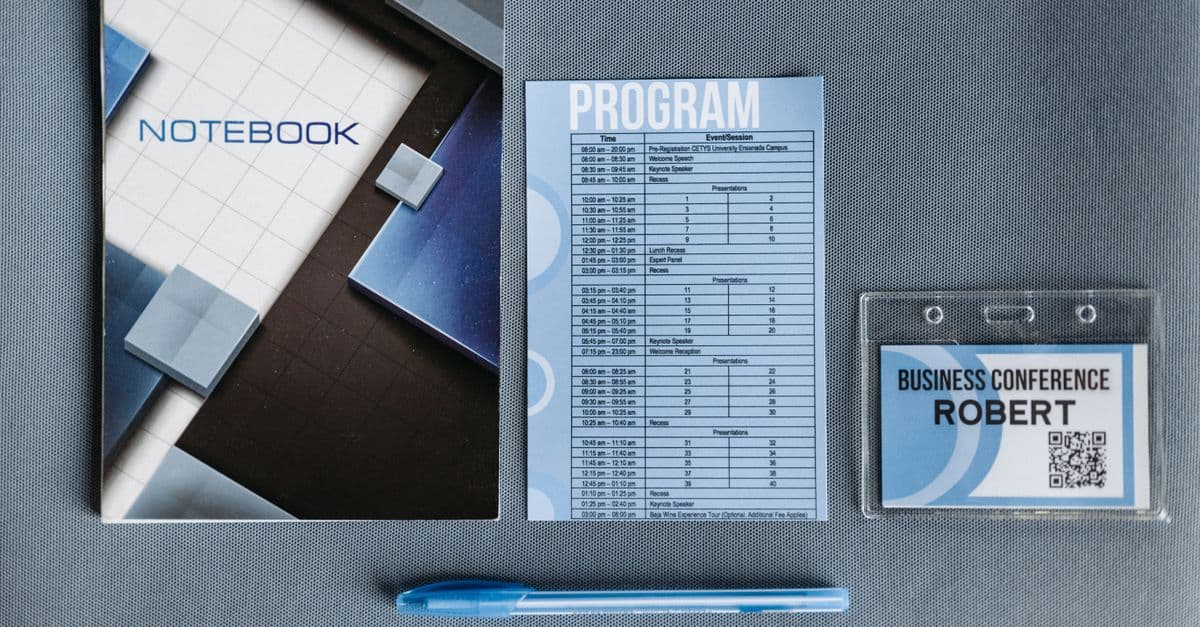
You'll generate complete, production-ready keynote speeches tailored to your audience, complete with speaker notes, timing cues, and impact optimization strategies. Each speech balances narrative storytelling with data-driven insights, includes pacing guidelines for optimal delivery impact, and provides specific guidance on emphasis, pauses, and audience engagement moments.

Transform hardware specifications, datasheets, and engineering data into clear, structured technical documentation tailored to different audiences. This skill automatically identifies safety requirements, ensures regulatory compliance, and generates audience-specific variants—from detailed technical manuals to user-friendly guides—reducing documentation time and improving accuracy.

You can generate polished executive speeches tailored to any audience—from board meetings to investor pitches. The skill structures compelling narratives, aligns messaging with organizational goals, and prepares delivery-ready speaker notes with timing cues. You'll produce executive-quality documents that maintain consistency across multiple speech contexts while adapting tone and complexity for maximum impact.

This skill transforms raw customer success data into compelling, multi-format B2B case studies that drive conversions. You provide customer context and business outcomes, and it structures a persuasive narrative, extracts key metrics, generates targeted variations for different buyer personas, and produces formats for web, PDF, and social channels. It includes buyer journey mapping and messaging frameworks so your case study works across your entire sales and marketing funnel.

This skill guides you through structuring, writing, and refining keynote speeches with proven narrative frameworks and storytelling techniques. You'll develop speeches that resonate emotionally, maintain strategic focus, and deliver measurable impact with your audience. From outline to final delivery-ready draft, you get structured feedback on flow, pacing, and authenticity.
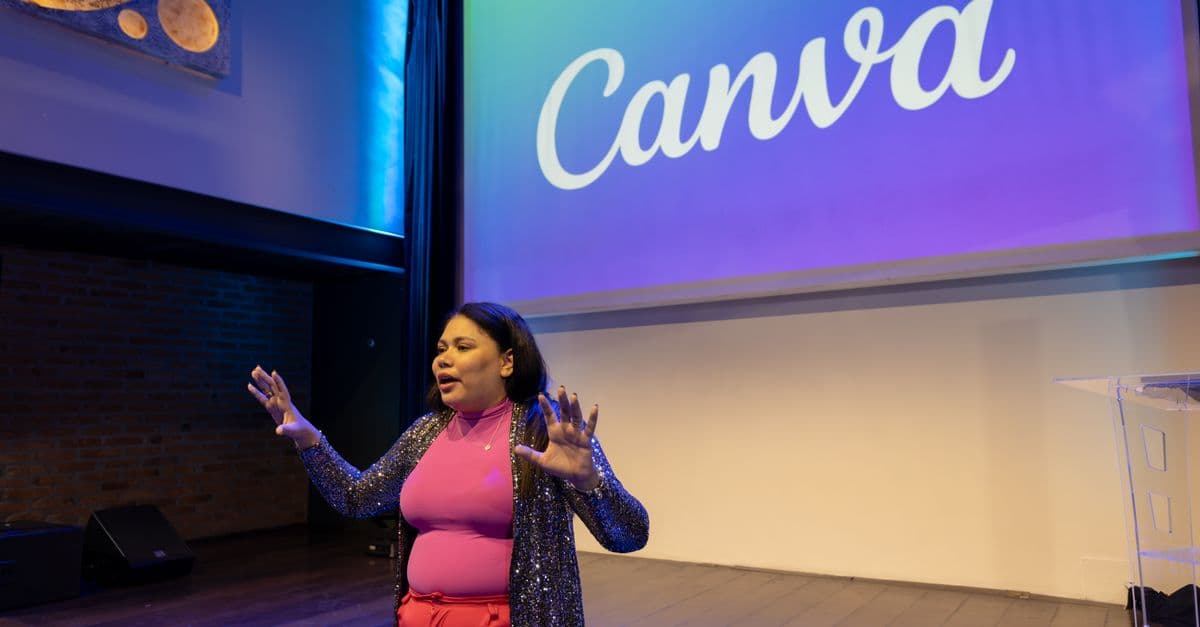
Generate complete keynote speeches structured for live delivery with precise timing cues, pacing calculations, and personalized voice calibration. You'll get a word-for-word manuscript annotated with delivery markers, audience engagement moments, and a persuasive call-to-action that lands. Claude handles story structure, messaging hierarchy, and rhetorical flow so you can focus on authentic delivery.