

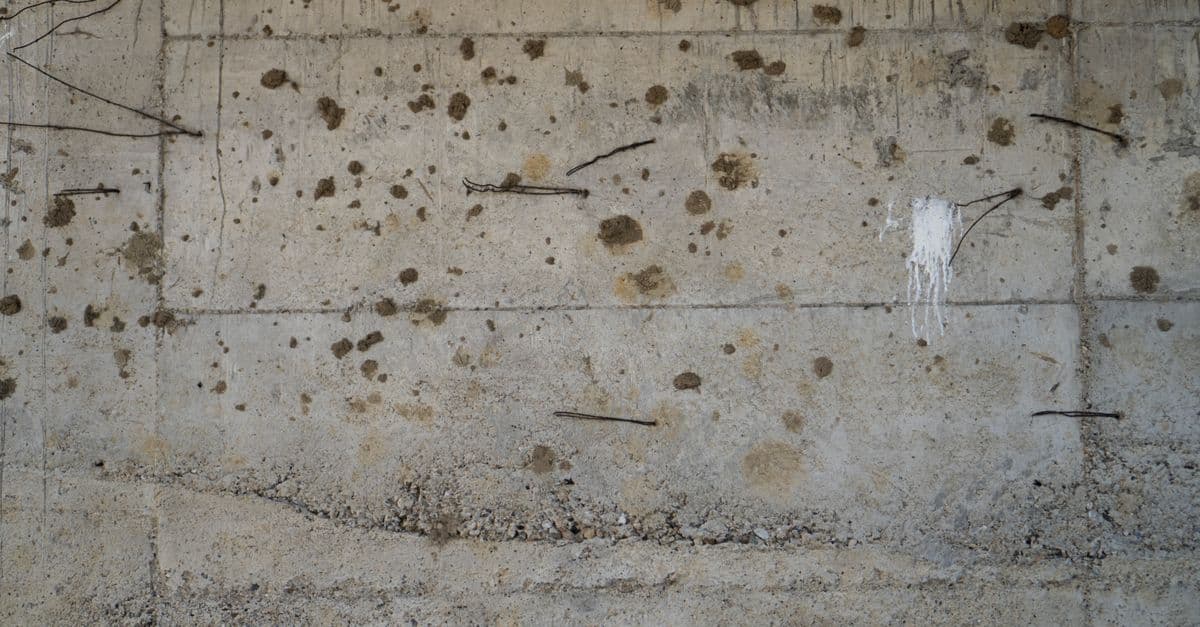
Concrete & Structural Inspection Analysis for Site Superintendents
Evaluate concrete quality and structural integrity with documented inspection reports

What You Can Do
You can rapidly interpret compressive strength results, slump tests, air content, and NDT readings (Schmidt hammer, surface resistivity) against specification requirements. Claude classifies concrete defects from photos—cracks, honeycombing, spalling, discoloration—assigns severity levels, and recommends remedial actions. You generate documented inspection reports with reasoning tied to standards, creating contractual protection and consistency across multiple pours and inspectors on large sites.
Features
automatically compare compression strength, slump, air content, and temperature data against specification thresholds with pass/fail rationale
analyze photos of cracks, honeycombing, spalling, and surface issues; assign severity ratings (minor, moderate, critical) with root cause assessment
interpret Schmidt hammer readings, surface resistivity, and ultrasonic pulse velocity results against design standards and acceptance criteria
correlate field observations and test data to contract specifications, ACI standards, and engineer requirements
generate repair method options for non-conforming concrete with justification and cost/schedule implications
create timestamped inspection reports with evidence linkage (photos, test data, decisions, reasoning) for engineer approval and owner records
apply identical evaluation criteria across all concrete pours on a project, reducing inspector variability and dispute risk
Example Output
Example 1: Compression Strength Decision
Input: 28-day cylinder test results show 3,850 psi (spec: 4,000 psi minimum)
Claude Output:
FINDING: Non-Conforming (2.8% below spec)
RATIONALE: Result falls below 4,000 psi threshold by 150 psi
OPTIONS:
1. Core Testing — Extract and test 4 cores per ACI 228.1
2. Load Testing — Structural engineer to verify adequate capacity
3. Remedial Concrete — Identified pour area to be demolished and replaced
RECOMMENDATION: Core testing (lowest cost, fastest resolution)
RISK: If cores confirm weakness, demolition required — 5-day delay expected
Example 2: Defect Photo Analysis
Input: Photos of vertical cracks (0.3mm width) in 40 linear feet of shear wall
Claude Output:
DEFECT TYPE: Vertical shrinkage cracks (pattern indicates post-cure drying)
SEVERITY: Moderate (functional concern, not structural)
ACCEPTABILITY: Non-conforming per architectural finish spec; acceptable per ACI 302 structural standard
REMEDIAL OPTIONS:
• Epoxy injection (seals + restores 85% strength)
• Caulking + paint (cosmetic only, no structural benefit)
• Leave as-is with engineer waiver (cost $0, requires documentation)
RECOMMENDATION: Epoxy injection — meets architectural + structural requirements
Example 3: Inspection Report Excerpt
POUR ID: Building 3, Level 4, Wall A-B | Date: 2024-01-15
SPECIFICATION: 4,000 psi @ 28 days, max crack width 0.2mm

TEST RESULTS: ✓ PASS (4,125 psi) | ✓ PASS (slump 4.5") | ✓ PASS (6.2% air)
VISUAL INSPECTION: ✓ PASS (no honeycombing, cracks within tolerance)
OVERALL DECISION: ACCEPT (ready for form removal and next operation)
AUDIT TRAIL: 3 cylinder tests, 6 surface photos, NDT readings, dated 1/15/24, Superintendent J. Smith
What's Included
- SKILL.md instruction file with concrete testing standards reference (ACI 228.1, 302, 304) and defect classification matrix:
- Concrete Test Data Template: structured intake sheet for compression strength, slump, air content, temperature with auto-pass/fail comparison
- Defect Classification Checklist: visual defect types (cracks, honeycombing, spalling, discoloration) with severity scoring and remedial action lookup table
- Inspection Report Template: formatted for engineer approvals and owner records; includes audit-trail section for test data linkage, photos, and decision rationale
- NDT Interpretation Guide: reference ranges for Schmidt hammer, surface resistivity, and ultrasonic readings correlated to concrete strength estimates
Who It's For
- Site Superintendents — daily concrete quality decisions on active pours
- Quality Assurance/QC Inspectors — systematic defect evaluation and consistency across project sites
- Project Managers — rapid risk assessment and non-conformance documentation for owner communication
- Construction Engineers — supporting field decisions with documented technical rationale for engineer review
- Safety/Compliance Officers — audit-trail generation for regulatory compliance and dispute resolution
Best For
- Concrete compression strength pass/fail decisions from lab test results
- Defect severity classification and remedial recommendations from site photos
- NDT data interpretation (Schmidt hammer, surface resistivity, ultrasonic)
- Multi-pour consistency scoring across large projects or multiple locations
- Non-conformance documentation and audit-trail generation for engineer approvals and owner records
You might also like

You'll craft partnership proposals that clearly articulate mutual value, address stakeholder concerns, and systematically mitigate risks. This skill structures complex negotiations into compelling narratives that resonate with decision-makers across finance, operations, and strategy. You'll generate proposal templates, identify critical success factors, model financial outcomes, and prepare responses to anticipated objections before ever presenting to your counterparty.

You can rapidly develop facility-specific confined space entry programs, permit-required confined space (PRCS) identification, and atmospheric monitoring protocols that meet OSHA 1910.146 standards. The skill generates customized hazard assessments, pre-entry checklists, rescue procedures, and competency documentation based on your specific confined spaces, entry procedures, and atmospheric conditions—eliminating the gap between generic templates and legally defensible compliance.

You can systematically audit construction sites against OSHA 1926 Subpart standards, document observed hazards with proper regulatory citations, and develop corrective action plans with clear remediation timelines. This skill helps you create compliance documentation that withstands inspector scrutiny and demonstrates good faith safety efforts, while prioritizing findings by risk severity for targeted remediation.

Create strategic security roadmaps that balance risk, compliance, and business objectives. You'll develop phased implementation plans, prioritize security initiatives by impact and threat severity, estimate budgets, and generate executive-ready strategy documents that demonstrate clear ROI and stakeholder alignment.

You can systematically decode MEP coordination drawings and specifications to identify physical clashes between mechanical, electrical, and plumbing systems before installation begins. The skill helps you flag spatial conflicts, sequencing dependencies, and code violations early—at the planning stage where fixes are exponential cheaper than field rework. You'll generate coordination bulletins and resolution strategies with trade-specific language that prevent costly delays and change orders.

You can develop comprehensive data strategies that align technology roadmaps with business objectives and secure executive buy-in. This skill helps you assess organizational readiness for data transformation across people, processes, and technology; create ROI-backed business cases for funding; and establish governance models that enable collaboration. You'll transform strategic data vision into actionable, phased implementation plans with clear dependencies and resource allocation.

You can input visual observations of weld defects (porosity, cracks, undercut, spatter) along with dimensional measurements, and Claude will cross-reference them against AWS D1.1 acceptance criteria, determine accept/reject decisions with technical justification, and generate consistent, professionally formatted inspection reports. This skill augments your fieldwork by organizing observations, standardizing documentation, and reducing the time spent drafting non-conformance reports while maintaining compliance rigor.

You can process laboratory and field compaction test data—including Standard/Modified Proctor results, nuclear density gauge readings, sand cone tests, and drive cylinder measurements—to make defensible QC decisions aligned with ASTM, AASHTO, and project-specific standards. The skill structures your analysis across density compliance, moisture verification, and field conditions, then documents non-conformances with clear remediation paths and technical reasoning suitable for stakeholder communication.