


Computer Vision Model Failure Debugger
Debug computer vision failures with systematic multi-angle analysis

What You Can Do
Diagnose and resolve computer vision model failures using a structured, multi-angle debugging framework. You'll systematically investigate root causes across model architecture, data quality, preprocessing, and inference stages—then receive targeted fixes to get your model back on track.
Features
Systematically isolate failures across architecture, data, preprocessing, and inference layers
Identify which stage (model capacity, data quality, computation) is limiting accuracy
Uncover preprocessing issues, normalization problems, or data augmentation failures affecting performance
Inspect internal model representations to spot gradient flow issues or dead neurons
Interpret training dynamics and receive recommendations for learning rate, batch size, or optimizer tuning
Detect failure modes on specific data distributions or input ranges causing production degradation
Diagnose inference speed bottlenecks and receive deployment recommendations for latency reduction
Get prioritized recommendations for architecture changes, regularization, or training adjustments
Example Output
Example 1: Object Detection Model Degradation
ROOT CAUSE ANALYSIS
✓ Model Architecture: ResNet-50 backbone sufficient for input complexity
✗ Data Quality: 15% of validation samples have <50% pixel intensity range
✗ Preprocessing: Normalization using ImageNet stats but training shows 30% wider range
⚠ Inference: Confidence drops 23% on images >1024px

PRIORITY FIXES
1. [HIGH] Recalculate dataset-specific normalization statistics
2. [HIGH] Add brightness/contrast augmentation to training
3. [MEDIUM] Implement adaptive batch normalization for inference

EXPECTED IMPROVEMENT: 8-12% mAP recovery
Example 2: Semantic Segmentation Class Imbalance
FAILURE SIGNATURE
- Class A (person): 89% IoU
- Class B (vehicle): 52% IoU ← performance cliff
- Class C (road): 91% IoU

ROOT CAUSE
✗ Class B: Only 2.3% of pixels (severe underrepresentation)
✗ Loss weighting: Uniform weights ignoring imbalance
✗ Batch composition: 1-2 Class B samples per batch

RECOMMENDATIONS
1. Apply focal loss or weighted cross-entropy [1.0, 5.2, 1.1]
2. Stratified sampling ensuring ≥4 Class B instances per batch
3. Consider synthetic data generation via mixup/cutmix
What's Included
- SKILL.md: Complete debugging framework with decision trees and investigation workflows
- Debugging checklist: Step-by-step verification template for model failures
- Analysis templates: Structured formats for root cause reports and recommendations
- Diagnostic flowchart: Guided decision tree to pinpoint failure categories
- Fix validation workflow: Post-fix verification checklist to confirm improvements
Who It's For
- ML engineers building production computer vision systems diagnosing model failures
- Computer vision researchers debugging performance during model development
- Data scientists investigating accuracy regressions and model degradation
- MLOps teams troubleshooting deployed vision models in production environments
- Deep learning practitioners optimizing architecture and training dynamics
Best For
- Diagnosing sudden accuracy drops or performance degradation in deployed models
- Resolving class-specific failures and edge case blindness across datasets
- Identifying data quality issues affecting training or inference performance
- Optimizing hyperparameters and architecture based on systematic failure analysis
- Troubleshooting inference latency or resource bottlenecks in production pipelines
You might also like

Analyze Solidity and other smart contract code for security vulnerabilities, gas inefficiencies, and best practice violations. Get detailed reports with risk scoring, remediation suggestions, and optimization recommendations. Whether you're auditing before deployment or reviewing third-party contracts, this skill identifies critical issues faster than manual review.

You can systematically diagnose database performance bottlenecks by sharing your schema, slow query logs, and execution plans with Claude. It identifies root causes—missing indexes, inefficient joins, lock contention—and provides prioritized recommendations with ready-to-implement SQL. Skip the manual log analysis and get tuning strategies tailored to your workload.
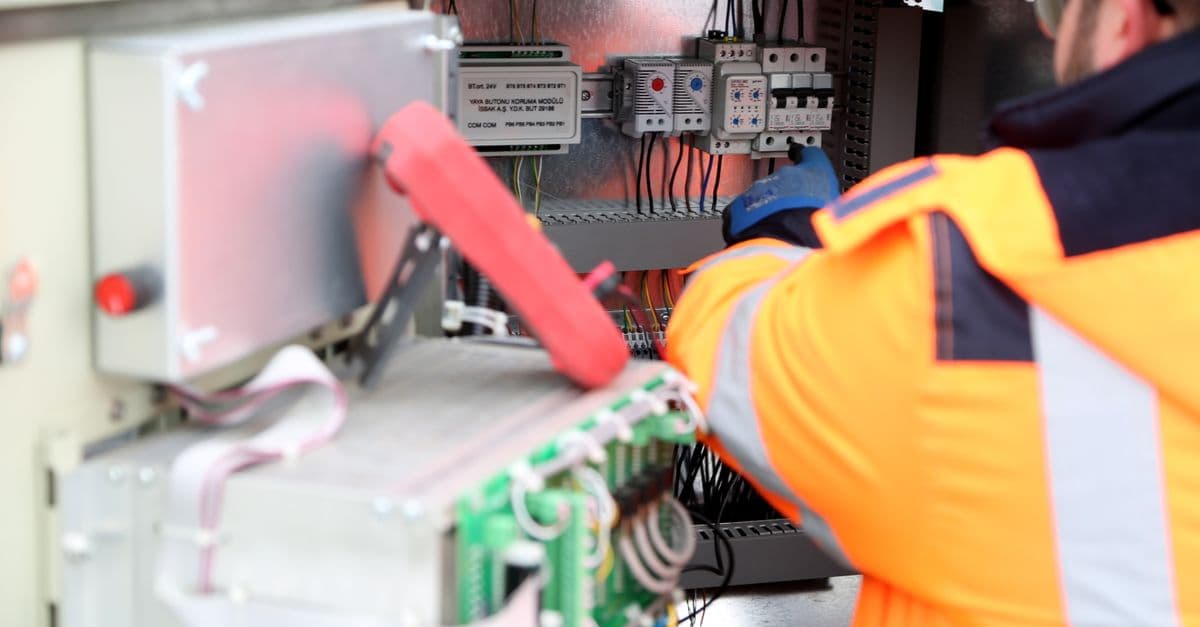
This skill provides a structured approach to analyzing process problems, identifying root causes, and recommending capacity optimizations. You'll get clear bottleneck identification, data-driven recommendations, and a framework to validate whether your solutions actually work. Perfect for diagnosing why workflows are slow and finding the leverage points that matter most.

Use Claude to systematically analyze your database queries, execution plans, and schema to identify performance bottlenecks. The skill generates actionable optimization recommendations with SQL rewrites, index strategies, and configuration tuning. You'll receive detailed before-and-after performance analysis to validate improvements and prioritize work by impact.

You'll design and implement mobile features with architectural rigor, cross-platform considerations, and edge-case handling built-in. This skill generates complete system designs, platform-specific implementation strategies, performance optimization approaches, and testing frameworks. The output is production-ready guidance spanning iOS and Android with security, offline resilience, and deployment strategies included.

Design and optimize injectable formulations by analyzing your active pharmaceutical ingredient (API), selecting compatible excipients, and predicting stability outcomes. You'll receive systematic workflows that guide you through API characterization, formulation architecture, and risk mitigation—enabling faster development cycles and regulatory-ready documentation.

You'll develop systematic approaches to injectable formulation design, from API selection through sterilization strategy. Claude helps you troubleshoot failed batches by analyzing root causes, recommends regulatory pathways (505(b)(2), ANDA, NDA), and provides science-backed solutions for stability, compatibility, and manufacturability challenges.
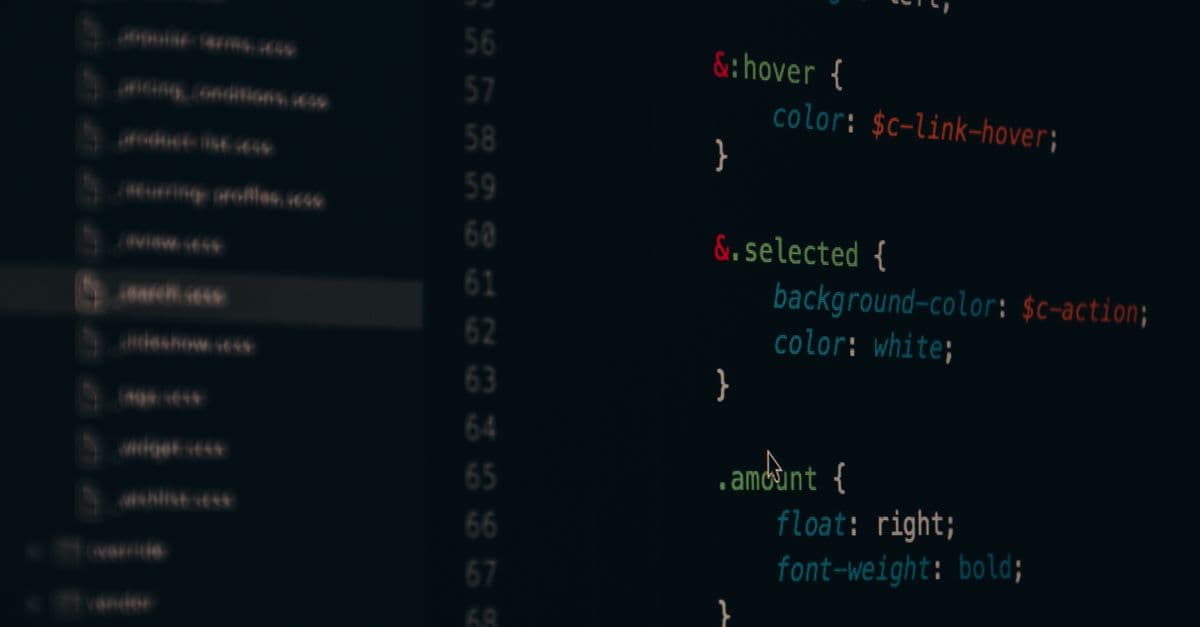
You can architect multi-node ROS control systems from scratch, including node design patterns, communication flows, and real-time constraints. You'll debug complex node interactions using publisher/subscriber analysis, service call tracing, and action server diagnostics. You can optimize motion controllers through PID tuning, trajectory planning validation, and performance profiling to achieve precise, responsive robotic behavior.