


Commercial Color Grade Reference Builder
Transform creative briefs into shot-by-shot color grading specs and mood boards
What You Can Do
You'll convert abstract creative direction into actionable color grading specifications that compress hours of back-and-forth feedback into structured, stakeholder-approved references. This skill extracts color narratives from briefs, generates comprehensive mood boards from competitor or reference imagery, develops shot-by-shot grading maps for complex commercials, and recommends starting-point CDL/LUT adjustments—enabling you to align teams and accelerate grading sessions on tight commercial timelines.
Features
analyze creative briefs to identify dominant color stories, emotional tone, and brand color language without guesswork
transform reference imagery and competitor spots into organized visual references with color analysis and breakdown
create detailed specifications for each scene including color temperature, saturation targets, and contrast requirements across product/lifestyle/hero shots
generate starting-point color decision lists and lookup table suggestions based on reference imagery and creative direction
produce client-facing color direction documents that align creative directors, producers, and brand teams before the grading session
develop house color language guidelines for maintaining visual cohesion across multiple locations, shoot days, or product variations
benchmark your color direction against competitor spots with technical and aesthetic breakdown
output structured grading briefs compatible with DaVinci Resolve and other professional color correction workflows
Example Output
Example 1: Luxury Watch Commercial Brief
Color Story: Warm gold undertones with deep shadow detail. Autumn metallics meeting cool nighttime reflections.
Mood Board Breakdown:
- Reference 1 (Rolex 2023 campaign): Warm tungsten 3200K, crushed blacks at -20 IRE, gold saturation boost in mid-tones
- Reference 2 (Patek Philippe spot): Cool daylight 5600K with warm accent lighting, shadow detail preservation
Shot-by-Shot Specs:
- Hero product (close-up): Slight warm bias (Kelvin +150), shadows at -15 IRE, gold accent saturation +12
- Lifestyle (wrist): Balanced Kelvin, naturalistic skin tone priority, metallic highlight detail retention
Starting LUT: Warm beauty pass with gentle S-curve, shadow lift to -10 IRE, saturation +8 across warm channels
Example 2: Fast-Food Campaign (3-Shot Series)
Scene 1 (Product close-up): 4500K, saturated reds/oranges, crushed blacks (-25 IRE), high contrast
Scene 2 (Lifestyle/eating): Warm daylight (5200K), skin tone priority, background bokeh desaturated by -8
Scene 3 (Family scene): Soft, bright, 5600K, lifted shadows (-5 IRE), slightly desaturated for intimacy
Consistency note: Warm orange family across all three, but shadow levels vary by scene purpose.
What's Included
- SKILL.md instruction file with full workflow and creative brief analysis templates:
- Color Narrative Extraction Template: structured format for translating creative briefs into color specifications
- Mood Board Analysis Framework: checklist for organizing reference imagery with technical color data
- Shot-by-Shot Grading Map Template: detailed specifications sheet for multi-scene commercials
- CDL/LUT Starting Point Generator: prompts to generate color correction starting points from references
- Multi-Stakeholder Documentation Template: client-facing color direction brief with visual and technical components
Who It's For
- Commercial colorists managing tight timelines and multiple stakeholder feedback
- Freelance colorists who need to present pre-session color direction to clients
- Colorist supervisors onboarding new team members or establishing house color language
- Producers coordinating between creative direction and post-production color departments
- Creative directors who need to articulate color vision before the grading suite
Best For
- Building mood boards from competitive or reference imagery with technical breakdown
- Generating shot-by-shot color specifications for multi-location or multi-day commercials
- Creating client-facing color direction documentation that reduces revision rounds
- Developing CDL/LUT recommendations before grading sessions begin
- Establishing color consistency frameworks across product hero shots, beauty shots, and lifestyle content
You might also like
You can transform raw video footage into structured, professional content by leveraging AI to identify key moments, organize clips, transcribe audio, and augment with voiceovers, overlays, and subtitles. This skill guides you through a proven pipeline that emphasizes compression and smart structuring rather than AI generation—turning hours of footage into minutes of compelling content optimized for any platform.
 by dliangthinks
You can break down video content into individual frames and aligned audio segments at any interval you specify. This skill generates PNG images for visual analysis, extracts corresponding audio clips in AAC format, and creates a JSON manifest that maps every frame to its timestamp and audio file—perfect for preparing video content for detailed review, transcription workflows, or handing off to other agents for automated processing.
by dliangthinks
Upload your asset specifications, render bottlenecks, or performance metrics, and receive a comprehensive optimization roadmap. Claude analyzes polygon topology, texture memory footprint, shader complexity, and LOD strategies specific to your target engine—whether game engines, live VFX systems, or AR/VR pipelines. You'll get concrete recommendations for polycount reduction, UV layout optimization, texture atlasing, and bake-versus-real-time lighting decisions, complete with documentation for handing off to animation and rigging teams.
by dliangthinks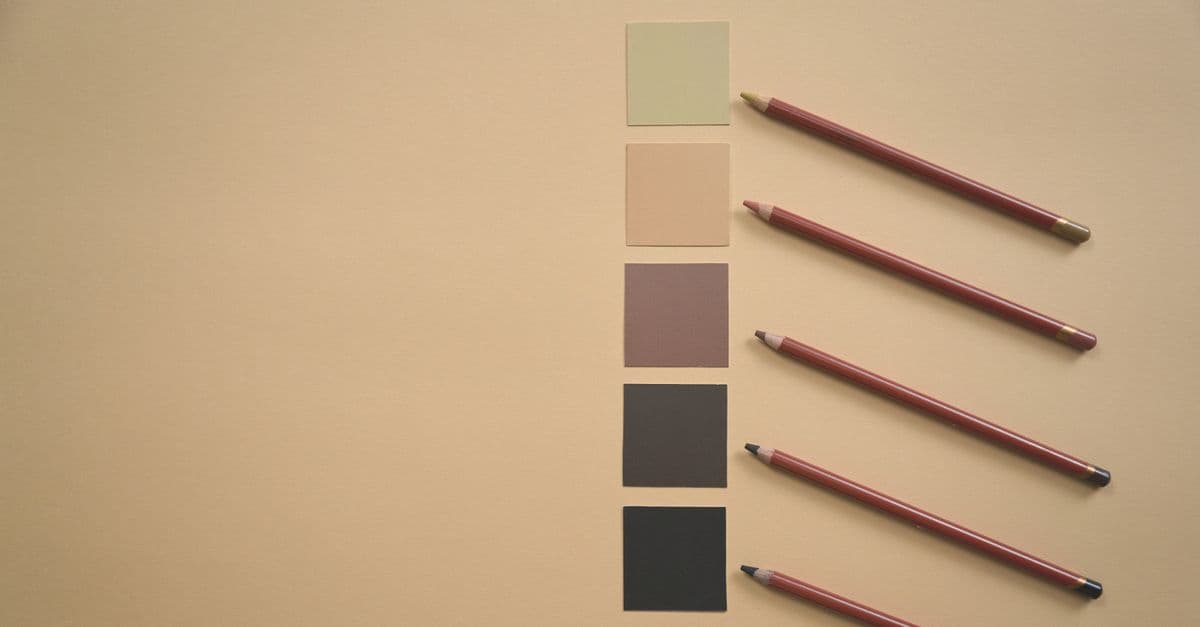
Plan comprehensive grade structures for multi-scene sequences, extract and analyze color palettes from reference imagery, generate technical LUT specifications for custom creation, and validate your grades against broadcast and cinema standards (ITU-R BT.709, DCI-P3, Rec.2020). This skill handles the analytical and planning work that precedes timeline color correction, helping you make faster aesthetic decisions and ensure technical compliance across projects.
by dliangthinks
Transform raw video analytics into platform-specific optimization plans that boost reach and engagement. You'll identify why certain videos outperform others, uncover trending patterns in your niche, optimize metadata and technical specs for algorithmic distribution, and systematically test creative approaches. This skill bridges creative instinct with data-driven decision-making to help you scale social video performance.
by dliangthinks
You can instantly transform session details, creative decisions, and technical parameters into standardized mix notes, delivery specifications, and editorial documentation. Claude generates episode-consistent technical specs for dialogue, music, and effects stems across broadcast, streaming, and theatrical formats—capturing your creative intent without manual transcription.
by dliangthinks
This skill generates comprehensive audio design documentation that bridges creative vision and technical execution. You'll produce detailed mixing specifications with priority hierarchies, platform-specific audio budgets, middleware configurations for Wwise/FMOD, and implementation workflows tailored to your target engines (Unity, Unreal, custom). It accelerates pre-production planning, clarifies audio requirements for programmers, and reduces iteration cycles during integration.
by dliangthinks
This skill helps you architect complete color strategies before grading sessions begin. You'll generate detailed shot-by-shot grading maps that synchronize visual mood to dynamic audio, develop LUT strategies for specific music genres with documented creative reasoning, establish technical parameter ranges per scene or musical section, and create mood board documentation that aligns stakeholder expectations early. By treating color as a primary creative element rather than post-production cleanup, you reduce revision cycles and deliver grades that amplify both narrative and musical intent.
by dliangthinks