


Cluster Manage
Switch Kurtosis clusters between Docker and Kubernetes backends

What You Can Do
You can switch your Kurtosis runtime between Docker and Kubernetes backends, check which cluster is currently active, and list all available clusters. This skill helps you manage where Kurtosis deploys and runs enclaves, whether on local Docker or a remote Kubernetes cluster, with automated engine restart and gateway configuration for Kubernetes environments.
Features
Query your current Kurtosis backend (Docker or Kubernetes) with a single CLI command
Toggle between Docker and Kubernetes backends and automatically restart the engine
Display all available Kurtosis clusters configured in your environment
Configure kubectl access, start the Kurtosis gateway, and verify engine connectivity
Locate and view your Kurtosis configuration file to inspect or modify cluster settings
Start and manage the Kurtosis gateway for local-to-remote Kubernetes engine communication
Validate your active environment and cluster connectivity before deploying enclaves
Example Output
Example 1: Check current cluster
$ kurtosis cluster get
docker
Example 2: List available clusters
$ kurtosis cluster ls
docker
kubernetes
Example 3: Switch to Kubernetes and verify
$ kurtosis cluster set kubernetes
$ kurtosis engine restart
$ kurtosis engine status
Engine is running on kubernetes cluster
What's Included
- SKILL.md: Complete cluster management instruction file with CLI commands
- Docker-to-Kubernetes switch guide: Step-by-step commands to toggle backends
- Kubernetes setup checklist: kubectl configuration, gateway startup, and verification steps
- Config file reference: Location and structure of Kurtosis configuration settings
- Engine restart procedures: Commands to restart and validate the Kurtosis engine after cluster changes
Who It's For
- DevOps engineers managing containerized test environments across multiple infrastructures
- Blockchain developers running Kurtosis enclaves on scalable Kubernetes clusters
- QA automation engineers switching between local Docker and remote Kubernetes for testing
- Infrastructure teams coordinating multi-backend container orchestration
- Platform engineers provisioning Kurtosis environments for development and staging
Best For
- Backend infrastructure switching — Toggle between Docker and Kubernetes runtimes without reconfiguration
- Multi-environment deployments — Manage enclaves across local and remote cluster backends
- Kubernetes gateway setup — Configure secure communication from local CLI to remote Kubernetes engines
- Cluster verification — Validate active cluster and connectivity before running enclave operations
- Container orchestration management — Centralize cluster configuration and engine lifecycle control
You might also like
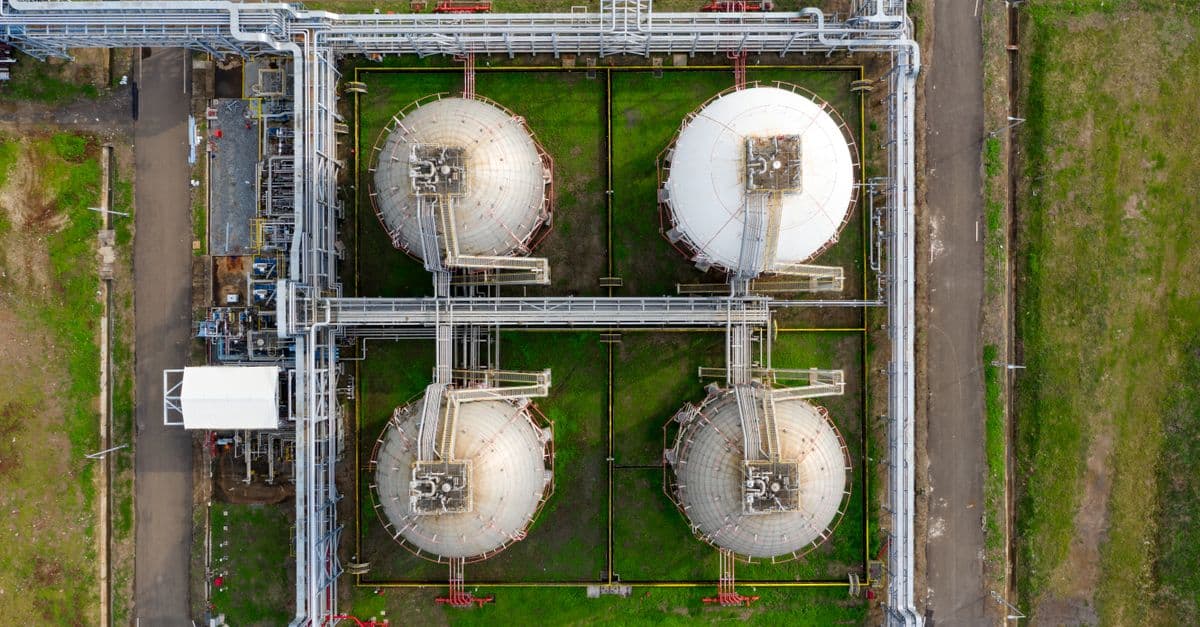
Analyze your asset portfolio to identify which equipment poses the highest risk to operations. This skill examines historical failure patterns, calculates maintenance ROI trade-offs, and generates customized strategies—whether preventive, predictive, or reactive—to keep critical systems running while minimizing maintenance costs. You'll get actionable recommendations backed by risk scores and resource planning guidance.

You can analyze your manufacturing equipment's performance history and sensor data to identify patterns that precede failures. This skill forecasts when equipment is likely to break down, recommends optimal maintenance windows, and helps you extend asset lifespan while minimizing costly unplanned downtime.

This skill analyzes your equipment data, operational patterns, and sensor readings to predict maintenance needs before failures occur. You receive actionable recommendations on optimal maintenance timing, parts replacement priorities, and risk assessments for each asset. It helps you reduce unexpected downtime, extend equipment lifespan, and optimize maintenance budgets through data-driven insights.

You'll create compelling, data-backed pitch decks that compel investors to write checks. Claude builds your complete pitch narrative, validates every financial claim with rigor, and anticipates investor objections before they're raised. The result: more investor meetings, higher valuations, and faster funding closes.
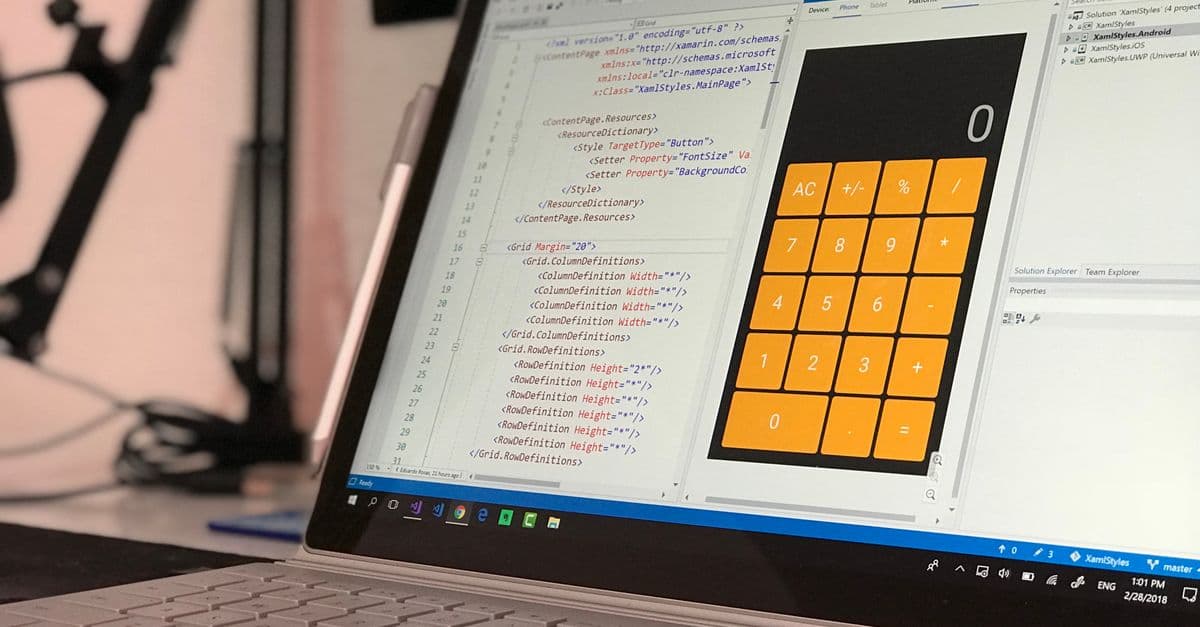
This skill detects your project structure, installs Portless globally, and configures your dev scripts to use stable named URLs instead of port numbers. It handles monorepo detection, suggests appropriate subdomain naming conventions, and updates your package.json automatically—saving you from manual configuration and port conflict headaches.
 by qdhenry
Accelerate Failure Mode and Effects Analysis by systematically identifying potential failures, calculating risk priorities, and generating targeted mitigation strategies. Claude structures your FMEA worksheets, guides severity/occurrence/detection scoring, and prioritizes failure modes by risk impact. Transform lengthy manual analysis into a streamlined, defensible risk assessment process.
Analyze equipment sensor data to detect anomalies and predict component failures before they occur. The skill generates risk scores, prioritizes maintenance actions, and provides specific repair recommendations with estimated time windows. You'll reduce unplanned downtime, optimize maintenance scheduling, and extend asset lifecycles while minimizing maintenance costs.

You can rapidly triage adverse events, extract and structure clinical narratives, apply standardized causality assessment algorithms, and generate audit-ready regulatory reports that meet FDA and EMA submission standards. The skill systematizes complex judgment calls in pharmacovigilance by automating event classification, severity coding, causality scoring, and compliance verification—reducing clerical variability while flagging missing critical data before submission.