


Clinical Exam Synthesis Assistant
Organize eye exam findings into clinical summaries and referral letters instantly
What You Can Do
You can organize comprehensive eye exam findings—visual acuities, refraction, slit lamp observations, tonometry, imaging results, and patient history—into coherent clinical narratives. The skill generates evidence-based differential diagnoses, creates professional referral letters to ophthalmologists and specialists, and produces patient-friendly education materials, eliminating hours of documentation reorganization while ensuring clinical completeness.
Features
Transforms scattered exam data into organized, narrative-driven summaries following clinical documentation standards
Creates evidence-based differential diagnoses ranked by likelihood based on your specific findings and clinical presentation
Generates professional specialist referral letters with appropriate detail, urgency indicators, and supporting clinical rationale
Converts clinical findings into plain-language explanations of diagnoses, treatment plans, and follow-up care
Builds clinical arguments and documentation for pre-authorization requests with supporting evidence from exam findings
Synthesizes current exam data with reference to previous findings for follow-up documentation and progression tracking
Organizes exam components (visual acuity, IOP, OCT results, visual fields, slit lamp) into structured data format for consistency
Example Output
Clinical Summary Output: Patient presents with intermittent floaters and occasional photopsia OS for 3 weeks. BCVA 20/20 OU. Intraocular pressures 14 mmHg OU. Anterior segment clear OU with normal angles. Posterior segment exam reveals mild vitreous haze OS with superior temporal retinal hole at 12 o'clock. OCT confirms discontinuity in ELM OS. Recommend urgent ophthalmology referral for potential pneumatic retinopexy vs. vitrectomy evaluation.
Differential Diagnosis Output:
- Retinal Detachment (Rhegmatogenous) — Highest likelihood given classic floaters, photopsia, superior temporal hole location, and OCT confirmation
- Posterior Vitreous Detachment with Traction — Consistent with vitreous haze; retinal break rules out isolated PVD
- Branch Retinal Artery Occlusion — Less likely; lacks corresponding visual field defect or retinal whitening
Referral Letter Excerpt: I am referring [Patient Name] for urgent evaluation of a rhegmatogenous retinal detachment with superior temporal retinal hole OS. Patient reports 3-week history of floaters and photopsia. OCT confirms full-thickness retinal discontinuity. Please evaluate for surgical intervention. Patient available for same-day or next-day evaluation if possible.
What's Included
- SKILL.md instruction file with complete workflow guidance and clinical protocols:
- Clinical Summary Template: Structured outline for comprehensive exam documentation
- Referral Letter Templates: Pre-formatted letters for ophthalmology, neuro-optometry, and general specialty referrals
- Differential Diagnosis Framework: Evidence-based ranking system for organizing diagnostic possibilities
- Patient Education Checklist: Key concepts to cover when explaining diagnoses and treatment plans
- Insurance Pre-Authorization Worksheet: Clinical argument builder for coverage justification
Who It's For
- Optometrists completing comprehensive eye exams and managing referrals
- Primary eye care providers coordinating specialist care and documentation
- Clinical optometry educators preparing case presentations and peer reviews
- Optometry practitioners managing complex cases requiring detailed clinical justification
- Vision care professionals documenting follow-up exams and disease progression
Best For
- Structuring comprehensive eye exam documentation after patient visits
- Generating referral letters to ophthalmologists and medical specialists
- Creating differential diagnoses from constellations of clinical findings
- Building clinical arguments for insurance pre-authorization and appeals
- Developing patient education materials explaining diagnoses and treatment recommendations
- Synthesizing multi-visit case data for continuity of care documentation
You might also like

This skill transforms raw clinical examination data into professional-grade documentation that streamlines charting, ensures insurance compliance, and reduces administrative time. You can generate structured clinical narratives, differentiate between presenting conditions (dry eye, presbyopia, refractive error), create management plans with follow-up intervals, and produce insurance-ready assessments—cutting typical comprehensive exam documentation from 30 minutes to 10-12 minutes per patient.
 by k-dense-ai
You can transform research topics into fully structured presentation decks with visually engaging slides, proper citations, and minimal text-heavy content. The skill guides you through developing a clear narrative arc, selecting compelling visuals, and organizing content for maximum impact during oral presentations—whether you're presenting at a conference, defending a thesis, or pitching grants.
by k-dense-ai
You can draft, structure, and refine complete research manuscripts for journal submission using the IMRAD framework. The skill combines deep literature research with formatted scientific writing, producing full-paragraph prose backed by verified citations and compliance with study-specific reporting guidelines. Whether you're writing abstracts, methods sections, results, or full manuscripts, this skill ensures your work meets publication standards with properly formatted references and data presentations.
by k-dense-ai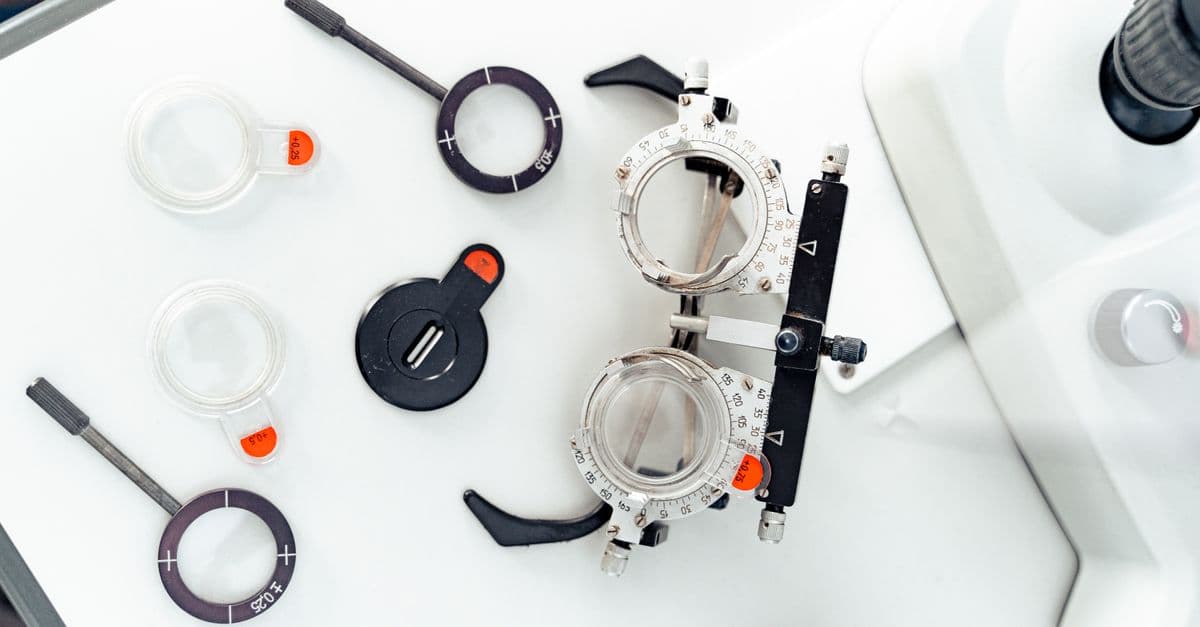
You can structure customer consultations from intake through recommendation by capturing face shape, lifestyle, budget, and prescription data. Claude then generates personalized frame suggestions matched to your inventory, presents lens upgrade options with clear value propositions, and provides objection-handling scripts that maintain margins while building customer trust. Track customer profiles for faster repeat visits and higher upsell conversion.
by k-dense-ai
You can generate professional research posters optimized for conference presentations using LaTeX. The skill handles layout design across A0, A1, and standard sizes, integrates figures and equations with proper visual hierarchy, applies color schemes and typography for readability from distance, and provides templates for rapid poster creation without design expertise.
by k-dense-ai
You can analyze complex employment disputes—wrongful termination, discrimination, wage claims, and retaliation allegations—and generate evidence-based settlement frameworks that balance legal exposure with business interests. The skill evaluates claim strength, calculates realistic settlement ranges, and produces jurisdiction-specific negotiation strategies backed by comparable case benchmarks and regulatory compliance analysis.
by k-dense-ai
Generate and edit professional-grade images using state-of-the-art AI models like FLUX.2 Pro and Gemini 3 Pro. Create photorealistic photos, artistic illustrations, concept art, and visual assets for presentations—all from text descriptions or by editing existing images.
by k-dense-ai
You can rigorously evaluate scientific research by assessing methodology, experimental design, and statistical validity using established frameworks like GRADE and Cochrane Risk of Bias. This skill helps you identify confounding variables, detect biases, and determine the overall quality of evidence in research papers, enabling you to critically challenge scientific claims and distinguish robust findings from flawed conclusions.
by k-dense-ai