


Climate Risk Intelligence for Catastrophe Modeling
Interpret climate data for catastrophe modeling and risk assessment

What You Can Do
You can analyze climate and meteorological datasets to model catastrophe risks, assess hazard exposure, and quantify potential financial losses from extreme weather events. This skill transforms raw climate data into actionable risk scenarios that help you compare different climate futures and understand your organization's vulnerability to natural disasters.
Features
Parse and analyze raw meteorological data including temperature, precipitation, wind speed, and atmospheric pressure patterns to identify climate hazards and emerging trends.
Create multiple risk scenarios based on historical patterns, current conditions, and climate projections to model potential disaster impacts under different futures.
Quantify and map geographic exposure to climate hazards including flooding, hurricanes, droughts, wildfires, and heat events at regional or portfolio scale.
Estimate potential economic losses and financial exposure from catastrophic events based on hazard probability, asset vulnerability, and loss models.
Identify long-term climate patterns, changes in hazard frequency and intensity, and emerging risks correlated with climate change.
Compare multiple climate scenarios side-by-side to evaluate how different future conditions affect risk profiles and financial exposure.
Calculate probability distributions, return periods, and value-at-risk (VaR) metrics for catastrophic events in your portfolio or region.
Example Output
Risk Exposure Summary:
- Hurricane exposure (Category 3+): 2,400 facilities in coastal zones
- Annual loss probability: 15% chance of losses exceeding $500M
- Climate trend: Hazard intensity increasing 2.3% per decade
Scenario Comparison Table:
| Scenario | 2050 Flooding Risk | 2050 Hurricane Risk | Projected Annual Loss |
|---|---|---|---|
| Historical Climate | Baseline | Baseline | $300-400M |
| +1.5°C Warming | +40% exposure | +25% intensity | $450-550M |
| +2.5°C Warming | +75% exposure | +45% intensity | $650-800M |
Hazard Trend Analysis:
- 10-year precipitation increase: +8.2% in coastal regions
- Hurricane frequency (Cat 3+): Projected +12% by 2035
- Drought severity: 3 of past 10 years classified as severe or extreme
What's Included
- Climate Data Analyzer: Tool to process meteorological datasets (temperature, precipitation, extreme events) and extract climate signals relevant to your risk profile.
- Risk Scenario Generator: Framework to create tailored catastrophe scenarios based on historical data, climate models, and your specific geographic or portfolio parameters.
- Financial Impact Calculator: Spreadsheet-ready output with loss estimates, return periods, probability distributions, and confidence intervals for different hazard types.
- Comparative Analysis Engine: Tools to compare risk profiles across multiple climate scenarios, time horizons, and warming pathways in intuitive matrix and chart formats.
- Hazard Exposure Mapping: Geographic breakdown of exposure by region, asset type, and hazard category to identify concentration risk and vulnerability hotspots.
Who It's For
- Risk Managers and Catastrophe Modelers
- Insurance Underwriters and Actuaries
- Climate Scientists and Meteorologists
- Disaster Risk Reduction Specialists
- Climate Adaptation and Resilience Planners
Best For
- Quantifying climate hazard exposure and concentration risk
- Modeling catastrophe scenarios and return periods
- Assessing climate change impacts on future risk profiles
- Financial risk assessment for weather and climate disasters
- Comparative analysis of climate scenarios and adaptation strategies
You might also like

Structure and validate insurance pricing models using actuarial best practices and regulatory standards. Claude helps you systematically document risk factors, perform sensitivity analysis, and generate compliance-ready documentation. You'll reduce model validation time, ensure regulatory alignment, and create defensible pricing rationale with complete audit trails.

Transform complex commercial applications, loss histories, and operational data into professional risk assessments and coverage recommendations. You'll receive structured underwriting documentation with detailed risk analysis, exposure mapping, and loss pattern evaluation that meet regulatory standards. Streamline your underwriting workflow with data-driven, consistent assessments tailored to each client's unique risk profile.

You can provide Claude with medical history, financial information, and lifestyle details from a life insurance application, and it will structure this data into a comprehensive underwriting assessment. Claude evaluates risk factors across medical, financial, and lifestyle dimensions, documents each finding, and produces a clear recommendation with supporting evidence. The result is a professional underwriting decision that's transparent, compliant, and audit-ready.

This skill systematically evaluates your portfolio's exposure to catastrophic events through concentrated risk analysis, multi-scenario stress testing, and data-driven positioning metrics. It produces executive summaries that quantify tail-risk exposure and recommend portfolio rebalancing actions based on statistical rigor. You can identify hidden correlations, model extreme market events, and communicate catastrophe risk exposure to stakeholders with clarity and precision.

Structure and validate insurance risk models in minutes, not weeks. Generate regulatory-compliant documentation, compliance frameworks, and model validation reports that underwriters and compliance teams can immediately use. Ensure all risk factors, parameters, and assumptions align with insurance regulations and internal governance standards.

This skill analyzes your fleet operations data to identify safety risks, quantify potential financial losses, and generate prioritized loss control recommendations. It scores compliance gaps, flags incident patterns, and provides actionable interventions tailored to your fleet's size, type, and operational context. Use it to reduce accidents, claims, and downtime while demonstrating measurable ROI for safety investments.
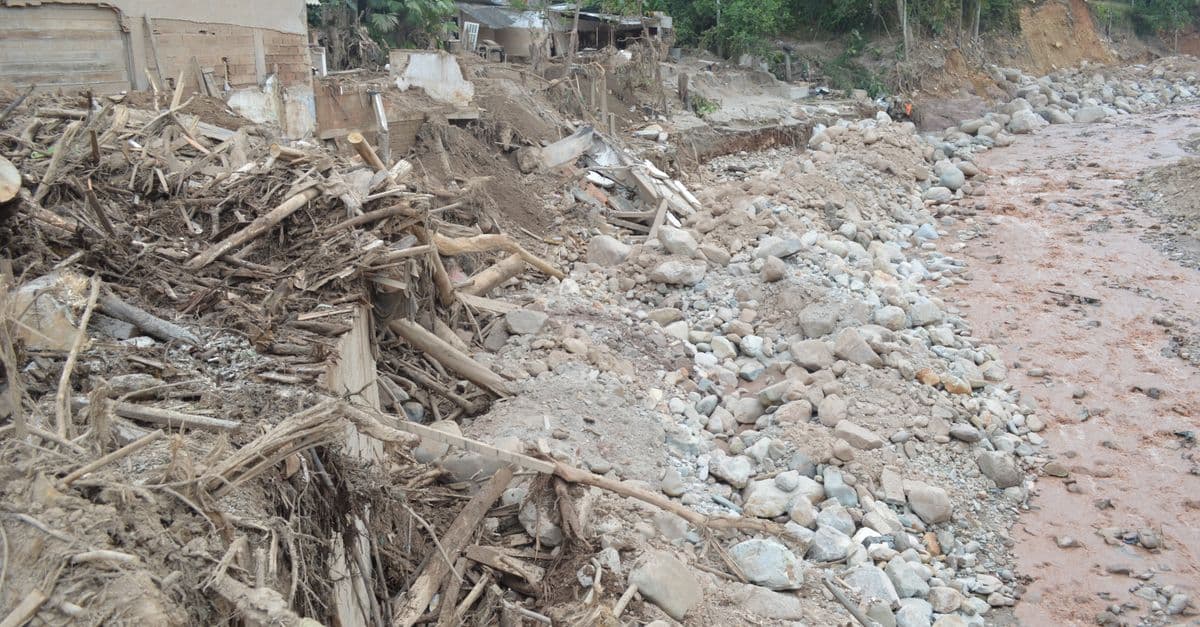
You analyze diverse climate datasets, quantify emerging climate risks, and generate underwriting-ready catastrophe model parameters. This skill converts complex climate science into actionable inputs for risk assessment, enabling you to stress-test portfolios against climate scenarios and refine model calibration with empirical climate trends.

This skill automates the validation of catastrophe models by analyzing your data inputs, reviewing model assumptions against industry standards, identifying gaps and risks, and generating comprehensive validation reports ready for stakeholder review. You get systematic documentation of model strengths, weaknesses, and recommendation priorities—accelerating your pre-deployment sign-off, regulatory audits, and annual recalibration cycles.