


Cinematic Color Grading Assistant
Systematic color grading for cinematic projects using LUT creation and shot-matching
What You Can Do
You'll develop a complete color grading workflow that bridges creative intent with technical precision. Claude guides you through color space analysis, LUT creation, shot matching across multiple cameras, and waveform/vectorscope verification to ensure consistent, broadcast-compliant results with measurable corrections rather than subjective eye-matching.
Features
Identify and document color profiles, gamma curves, and white balance baselines using technical diagnostics
Create custom 3D LUTs from reference footage that maintain consistency across different cameras, lenses, and shooting conditions
Systematically match shots across multiple cameras and shooting days using vectorscope and waveform anchoring
Interpret technical analysis tools to make measurable corrections aligned with broadcast/streaming standards
Troubleshoot acquisition issues and establish baseline corrections before creative grading
Generate color-correct masters for DCP, streaming, and broadcast formats with technical verification
Use industry-standard terminology and diagnostic documentation to align grading decisions with creative vision
Minimize revision cycles by anchoring decisions in technical measurements rather than subjective assessment
Example Output
Example 1: Shot-Match Documentation
- Scene: Dialogue over 3 cameras (Alexa, RED, Sony FX30)
- Waveform reference: Skin tone peak at 60-65 IRE, black at 5-10 IRE
- Vectorscope targets: Skin tone cluster 120-130° hue, ±15° saturation variance
- LUT adjustments per camera with before/after waveform comparisons
- Delivery specs: Rec.709 for streaming, DCI-P3 for DCP with metadata
Example 2: White Balance Correction
- Outdoor daytime mixed lighting (sun + practical tungsten)
- Kelvin shift analysis: 5600K sun vs. 3200K practicals
- Correction matrix: +350K global shift + localized secondary color isolation
- Verification: Vectorscope clustering within ±8° hue drift
Example 3: Creative Grade Handoff
- Base LUT applied across 45 shots over 3 shooting days
- Deviation matrix showing which shots required secondary corrections
- Director-approved reference stills with technical specifications for colorist sign-off
What's Included
- SKILL.md: Complete color grading methodology and workflow structure
- Color Analysis Template: Spreadsheet for documenting color space, gamma, white balance baselines across cameras
- LUT Development Checklist: Step-by-step protocol for creating and testing 3D LUTs for consistency
- Shot-Matching Framework: Structured approach to waveform anchoring, vectorscope targeting, and cross-camera matching
- Delivery Specifications Reference: Technical requirements for DCP, streaming (Rec.709), and broadcast formats with verification checklists
Who It's For
- Colorists grading narrative features, episodic television, or high-end branded content
- Cinematographers developing look concepts and communicating technical intent to post-production
- Post-production supervisors managing color consistency across multicam or multi-day productions
- Content creators working with mixed cameras or shooting conditions requiring technical verification
- Producers or directors needing to understand color correction technical baselines and delivery specifications
Best For
- Grading multicamera narrative productions with consistency requirements
- Creating technical LUTs for delivery across multiple formats (DCP, streaming, broadcast)
- Shot matching across different cameras, lenses, or shooting conditions
- Troubleshooting white balance and exposure issues from acquisition
- Establishing measurable baseline corrections before creative grading passes
- Communicating grading decisions using industry-standard diagnostics and terminology
You might also like
You can transform raw video footage into structured, professional content by leveraging AI to identify key moments, organize clips, transcribe audio, and augment with voiceovers, overlays, and subtitles. This skill guides you through a proven pipeline that emphasizes compression and smart structuring rather than AI generation—turning hours of footage into minutes of compelling content optimized for any platform.
 by dliangthinks
You'll develop systematic viral video strategies grounded in platform algorithms and audience psychology rather than guesswork. Analyze trending patterns, audience demand signals, and engagement metrics to create content calendars designed for maximum views, shares, and monetization. Move from reactive content creation to proactive strategic planning that justifies every creative decision with data.
by dliangthinks
Systematically troubleshoot failing simulations by identifying root causes in solver instability, constraint errors, cache corruption, and performance bottlenecks. You'll receive targeted diagnostic workflows, parameter tuning strategies, and rebuild recommendations that save render farm resources and maintain deadline adherence. This skill acts as your technical partner when simulations produce artifacts, crash mid-cache, or consume excessive memory.
by dliangthinks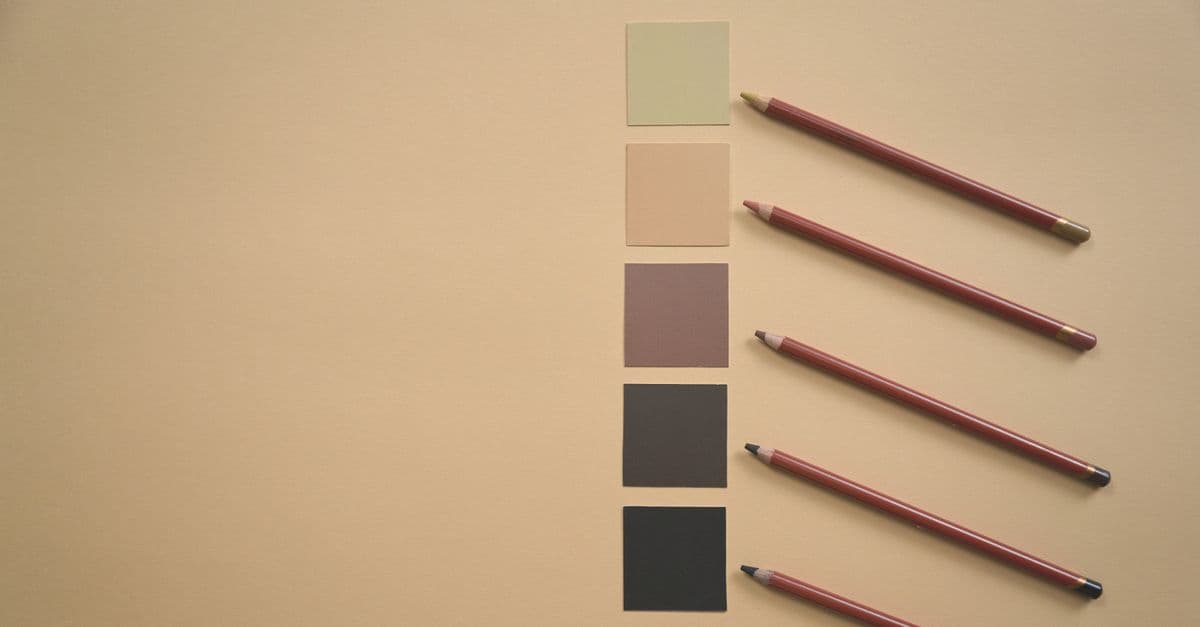
Plan comprehensive grade structures for multi-scene sequences, extract and analyze color palettes from reference imagery, generate technical LUT specifications for custom creation, and validate your grades against broadcast and cinema standards (ITU-R BT.709, DCI-P3, Rec.2020). This skill handles the analytical and planning work that precedes timeline color correction, helping you make faster aesthetic decisions and ensure technical compliance across projects.
by dliangthinks
You can diagnose root causes of cloth simulation failures—clipping, jittering, unrealistic wrinkles, and instability—by sharing solver logs, simulation parameters, and fabric behavior descriptions with Claude. The skill generates actionable debugging strategies and optimization techniques that preserve visual quality while reducing iteration cycles and compute time across Maya nCloth, Houdini, Marvelous Designer, and other industry solvers.
by dliangthinks
You'll design dynamic audio systems that shift music and sound effects in real-time based on gameplay intensity, player decisions, environmental conditions, and narrative branching. This skill guides you through building adaptive mixing strategies, stem-based music systems, and procedural audio routing that keeps audio responsive without becoming chaotic—allowing you to maximize asset reusability while maintaining sonic coherence across unpredictable gameplay states.
by dliangthinks
Transform raw video analytics into platform-specific optimization plans that boost reach and engagement. You'll identify why certain videos outperform others, uncover trending patterns in your niche, optimize metadata and technical specs for algorithmic distribution, and systematically test creative approaches. This skill bridges creative instinct with data-driven decision-making to help you scale social video performance.
by dliangthinks
This skill helps you architect complete color strategies before grading sessions begin. You'll generate detailed shot-by-shot grading maps that synchronize visual mood to dynamic audio, develop LUT strategies for specific music genres with documented creative reasoning, establish technical parameter ranges per scene or musical section, and create mood board documentation that aligns stakeholder expectations early. By treating color as a primary creative element rather than post-production cleanup, you reduce revision cycles and deliver grades that amplify both narrative and musical intent.
by dliangthinks