


Ceramics Failure Analysis & Formulation Optimization
Diagnose ceramic failures and optimize formulations for production-ready results

What You Can Do
This skill analyzes ceramic defects and failures, identifying root causes from thermal stress to glaze chemistry issues. It optimizes formulations for strength, durability, and aesthetic quality, and provides actionable troubleshooting workflows for production environments.
Features
systematic diagnosis of cracks, warping, dunting, and surface defects
correlates defects to clay body composition, glaze interaction, or firing conditions
adjusts material ratios (feldspar, silica, clay) for improved performance
evaluates expansion/contraction compatibility between clay and glaze
suggests temperature curves and hold times based on clay type
diagnoses crawling, crazing, pinholing, and color inconsistency
step-by-step testing protocols for mechanical strength and durability
converts lab formulations to production batches with tolerance tracking
Example Output
Example 1: Defect Analysis
Input: "We're seeing dunting (stress cracks) in our stoneware kiln load after firing"
Output:
- Root Cause: Likely rapid cooling in post-firing (kiln not venting properly)
- Contributing factors: Kiln humidity, thick-walled pieces, heating/cooling rate
- Fixes: Extend cooling by 4–6 hours, increase kiln ventilation, reduce wall thickness in high-stress areas
- Verification: Fire test batch with adjusted parameters, inspect under magnification
Example 2: Formulation Optimization
Input: "Current clay body is too soft and warps in high-fire reduction"
Output:
- Current formula: 50% kaolin, 30% feldspar, 20% silica (cone 10)
- Optimization: Add 5% grog (200 mesh), reduce feldspar to 25%, increase silica to 25%
- Expected outcome: 15–20% reduction in warping, +18% dry strength
- Test plan: Fire cones 9–11, measure dimensional change and bend strength
- Production batch: 1000 kg formula with 50 kg buffer for rounding
What's Included
- SKILL.md file with complete workflow for failure diagnosis and formulation optimization:
- Defect identification checklist (thermal cracking, glaze defects, mechanical failures):
- Formulation adjustment templates (clay body recipes, glaze ratios):
- Thermal compatibility calculator (linear expansion comparison worksheet):
- Firing profile generator (ramp rates, hold times, cooling curves):
- Quality testing protocol (flexural strength, porosity, durability tests):
- Production scaling worksheet (batch calculation and tolerance tracking):
- Troubleshooting decision tree (from symptom to root cause to fix):
Who It's For
- Studio ceramicists and potters developing custom clay bodies
- Ceramic materials engineers optimizing production formulations
- Quality assurance specialists troubleshooting kiln failures
- Ceramic manufacturers scaling lab recipes to production volume
- Glaze chemists diagnosing surface defects and firing issues
Best For
- Diagnosing and fixing ceramic defects (cracking, warping, dunting, glaze issues)
- Developing and optimizing custom clay body formulations
- Troubleshooting kiln problems and inconsistent firing results
- Scaling ceramic recipes from small batch to production volume
- Creating quality testing protocols and material documentation
You might also like

Analyze Solidity and other smart contract code for security vulnerabilities, gas inefficiencies, and best practice violations. Get detailed reports with risk scoring, remediation suggestions, and optimization recommendations. Whether you're auditing before deployment or reviewing third-party contracts, this skill identifies critical issues faster than manual review.

You can systematically diagnose database performance bottlenecks by sharing your schema, slow query logs, and execution plans with Claude. It identifies root causes—missing indexes, inefficient joins, lock contention—and provides prioritized recommendations with ready-to-implement SQL. Skip the manual log analysis and get tuning strategies tailored to your workload.
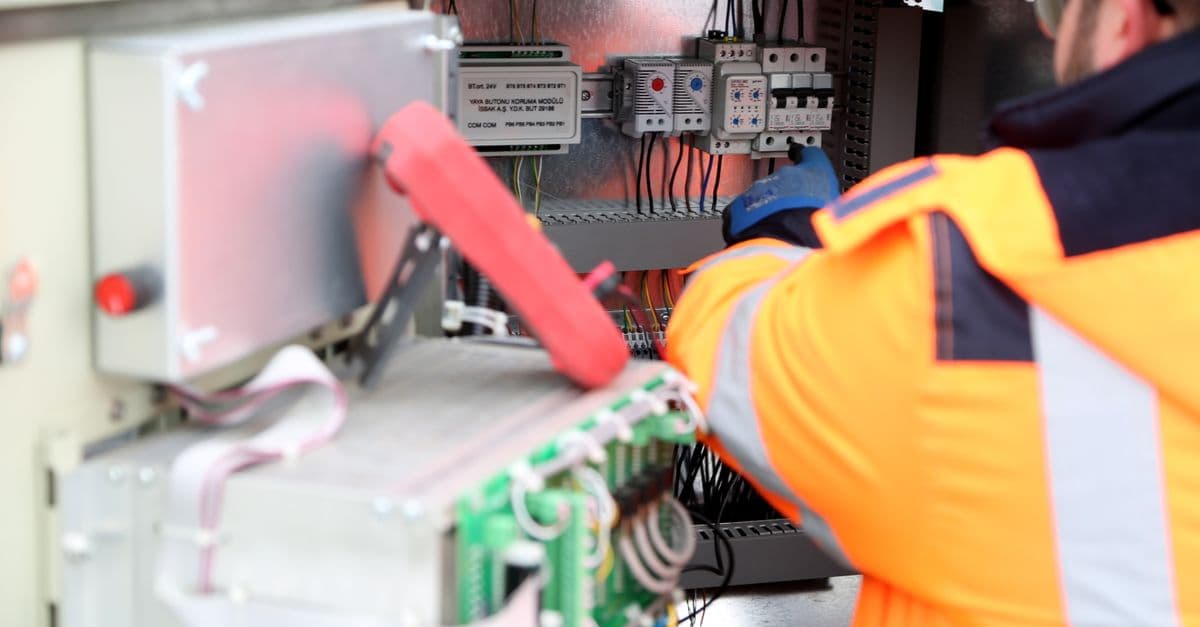
This skill provides a structured approach to analyzing process problems, identifying root causes, and recommending capacity optimizations. You'll get clear bottleneck identification, data-driven recommendations, and a framework to validate whether your solutions actually work. Perfect for diagnosing why workflows are slow and finding the leverage points that matter most.

Use Claude to systematically analyze your database queries, execution plans, and schema to identify performance bottlenecks. The skill generates actionable optimization recommendations with SQL rewrites, index strategies, and configuration tuning. You'll receive detailed before-and-after performance analysis to validate improvements and prioritize work by impact.

You'll design and implement mobile features with architectural rigor, cross-platform considerations, and edge-case handling built-in. This skill generates complete system designs, platform-specific implementation strategies, performance optimization approaches, and testing frameworks. The output is production-ready guidance spanning iOS and Android with security, offline resilience, and deployment strategies included.

Design and optimize injectable formulations by analyzing your active pharmaceutical ingredient (API), selecting compatible excipients, and predicting stability outcomes. You'll receive systematic workflows that guide you through API characterization, formulation architecture, and risk mitigation—enabling faster development cycles and regulatory-ready documentation.

You'll develop systematic approaches to injectable formulation design, from API selection through sterilization strategy. Claude helps you troubleshoot failed batches by analyzing root causes, recommends regulatory pathways (505(b)(2), ANDA, NDA), and provides science-backed solutions for stability, compatibility, and manufacturability challenges.
You can architect multi-node ROS control systems from scratch, including node design patterns, communication flows, and real-time constraints. You'll debug complex node interactions using publisher/subscriber analysis, service call tracing, and action server diagnostics. You can optimize motion controllers through PID tuning, trajectory planning validation, and performance profiling to achieve precise, responsive robotic behavior.