


Ceramic Defect Analysis & Root Cause Investigation
Diagnose ceramic defects systematically—find root causes & implement corrective actions

What You Can Do
You can analyze ceramic manufacturing defects using structured failure investigation methods to identify root causes and develop targeted corrective actions. The skill guides you through systematic defect analysis, failure mode assessment, and production parameter correlation. You'll generate detailed reports that link manufacturing conditions to quality outcomes and provide actionable remediation strategies.
Features
Example Output
Defect Analysis Report: Kiln Shelf Warping
Failure Mode: Ceramic shelf warping during firing, affecting product fit tolerance
Root Causes (5-Why Analysis):
- Uneven thermal gradient across shelf → why → kiln heating element aging in zone 3
- Material composition drift → why → new supplier batch with higher quartz content
- Loading density variance → why → inconsistent shelf positioning during stacking
Corrective Actions:
- Replace heating elements in zone 3 (responsibility: Equipment Lead, deadline: 1 week)
- Implement incoming material testing for quartz % (responsibility: QA, deadline: 2 weeks)
- Create shelf positioning guide with photo documentation (responsibility: Process Engineering)
Quality Trend Summary: Defect rate spiked 23% on batches from supplier lot #X4521 and declined 8% after kiln maintenance on [date].
What's Included
- SKILL.md: ceramic defect investigation workflows, decision trees, and structured analysis methods
- Root cause investigation template: Ishikawa diagram worksheet and 5-Why questioning guide
- FMEA checklist: failure mode, severity, occurrence, and detection scoring for ceramics
- Corrective action tracker: implementation steps, owner assignments, and closure verification
- Production parameter correlation worksheet: kiln temperature, dwell time, material batch, equipment serial number cross-reference
- Quality metrics dashboard guide: defect rate trending, trend analysis, and pattern recognition
Who It's For
- Quality engineers and managers — investigate defects and track corrective action effectiveness
- Process engineers — correlate production parameters to quality outcomes and optimize workflows
- Manufacturing supervisors — quickly diagnose shift-level quality issues and implement containment
- Supplier and materials specialists — identify material-related defects and manage vendor performance
- Continuous improvement (Lean/Six Sigma) specialists — root cause analysis for quality projects
Best For
- Investigating sudden quality degradation in ceramic production (cracks, warping, color inconsistency, dimensional tolerance)
- Analyzing batches or production runs with defect clustering to uncover systemic issues
- Developing corrective actions for recurring defects linked to specific equipment, materials, or personnel
- Correlating defects with production parameter changes (kiln profile, material supplier, raw material composition)
- Generating quality reports and trend analysis for management and continuous improvement planning
You might also like

This skill enables you to automatically audit your websites against compliance standards and detect deviations from expected baselines. You can track regulatory requirements, identify policy violations, and generate compliance reports with actionable remediation steps. Monitor multiple sites simultaneously and maintain detailed audit trails for compliance documentation.
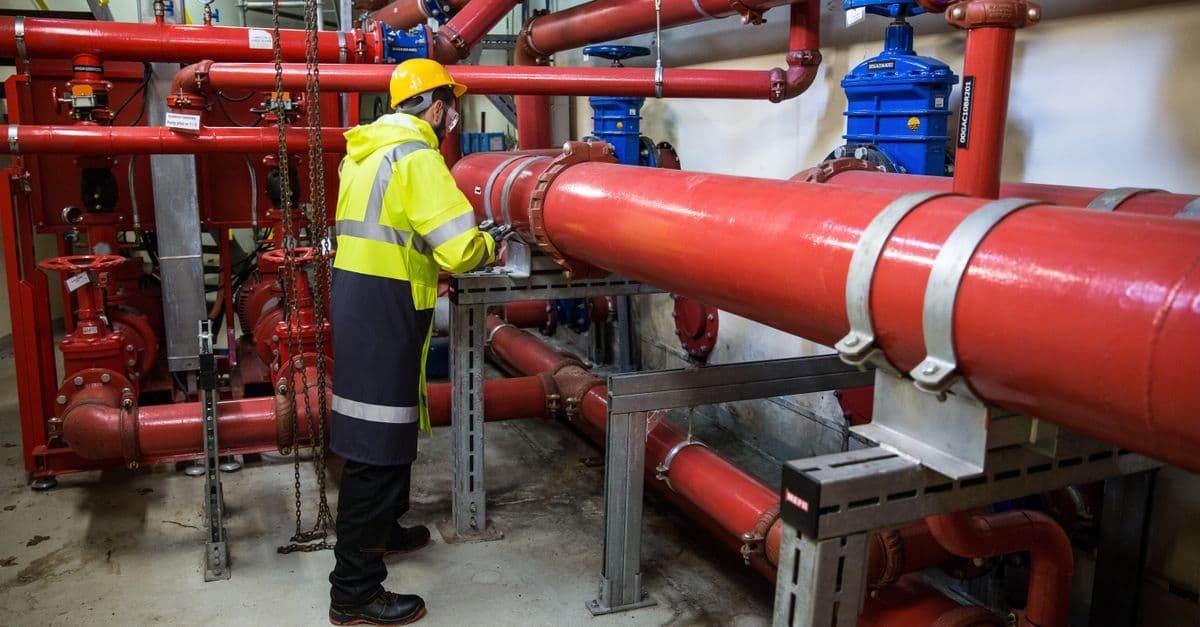
Analyze chemical processes systematically to identify hazards, assess risks, and generate safety recommendations. You can perform HAZOP analyses, evaluate compliance with industry standards, conduct root-cause analysis of incidents, and develop emergency response procedures. The skill guides you through structured safety reviews that reduce the likelihood of accidents and regulatory violations.

You'll develop systematic approaches to injectable formulation design, from API selection through sterilization strategy. Claude helps you troubleshoot failed batches by analyzing root causes, recommends regulatory pathways (505(b)(2), ANDA, NDA), and provides science-backed solutions for stability, compatibility, and manufacturability challenges.
This skill helps you systematically assess integration needs across your systems, design architecture patterns that scale with your organization, and identify technical and operational risks before implementation. You'll receive architecture recommendations aligned to your business constraints, clear integration roadmaps, and risk mitigation strategies that reduce deployment surprises. Get structured decision records suitable for architecture review boards and engineering teams.

You can conduct comprehensive hazard analyses for chemical processes using industry-standard methodologies like HAZOP and LOPA. The skill helps you assess risks quantitatively, identify control gaps, design engineered safeguards, and generate formal documentation for regulatory compliance and process safety management.

Claude analyzes your code diffs and generates standardized commit messages that follow the Conventional Commits specification. The skill automatically determines the correct commit type, scope, and description based on the changes you've made, ensuring your messages are parseable by automation tools while remaining human-readable for code reviewers.

You can transform raw text into structured, labeled datasets for machine learning, analysis, and research. This skill performs named entity recognition, sentiment classification, part-of-speech tagging, and dependency parsing—generating consistent, validated annotations at scale. Use it to prepare corpora, extract entities, classify documents, or perform linguistic analysis without manual annotation.
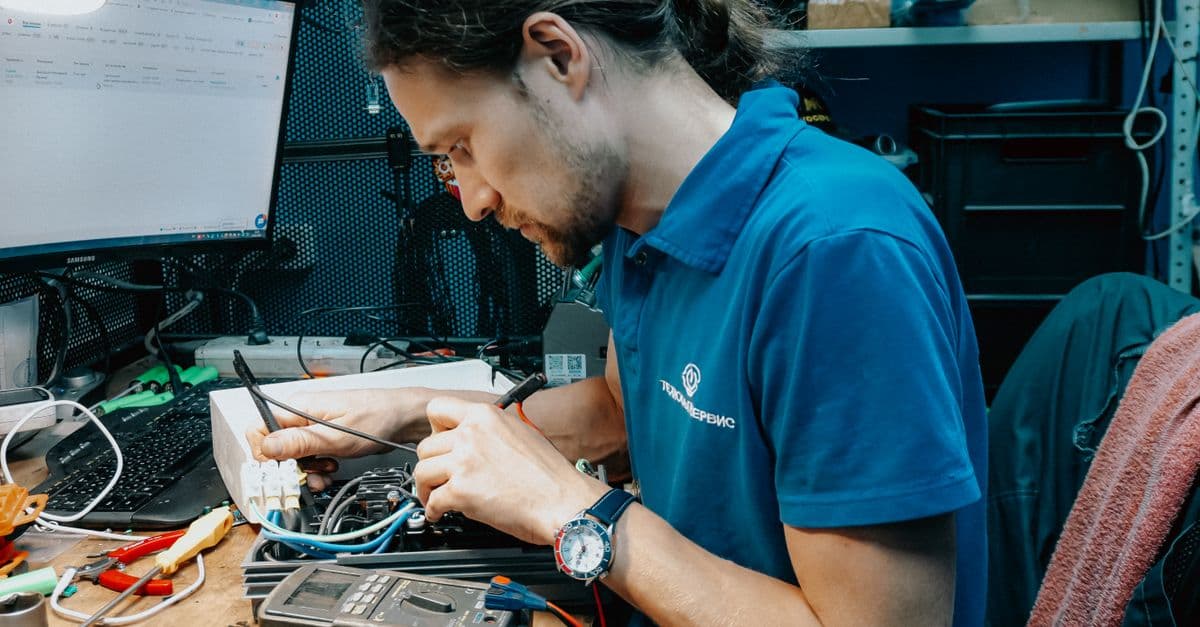
Rapidly analyze firmware logs and diagnose hardware issues that cause device failures, connectivity problems, and performance degradation. You'll identify root causes from stack traces, crash dumps, and sensor data, then generate specific optimization recommendations. This skill transforms raw device logs into actionable debugging plans that reduce time-to-resolution from hours to minutes.