

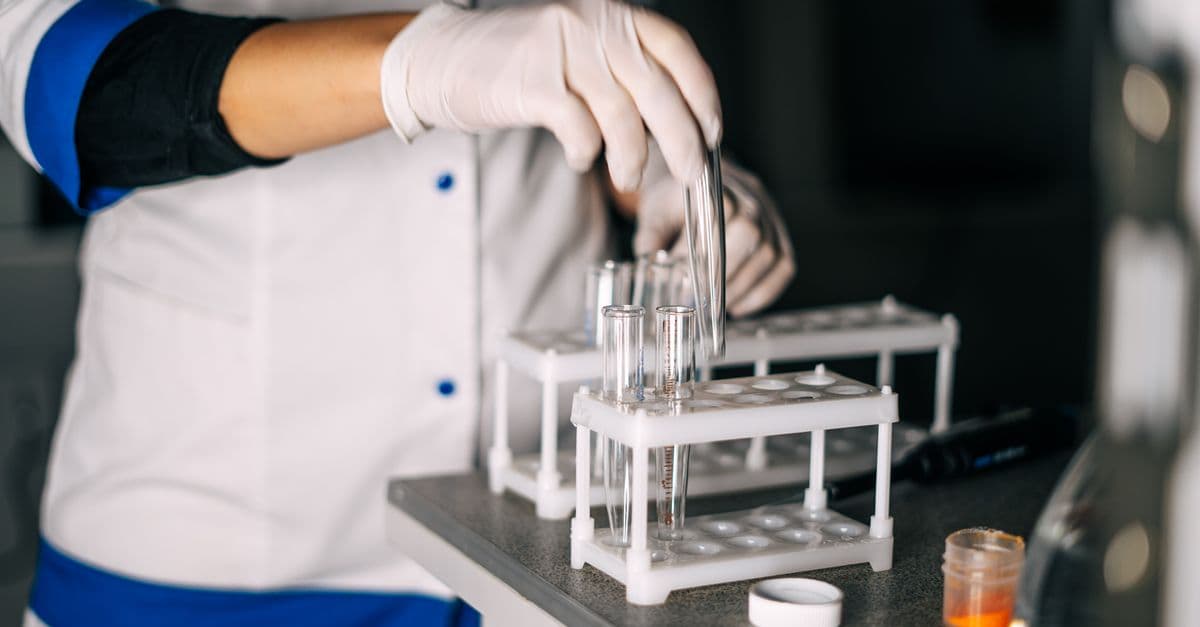
Bioanalytical Method Development Assistant
Design and validate LC-MS/MS methods with regulatory compliance built in

What You Can Do
You can rapidly design, optimize, and validate chromatographic and LC-MS/MS methods for analyzing drugs and metabolites in biological matrices. This skill guides you through analytical method development workflows—including parameter selection, sensitivity optimization, and regulatory strategy—while ensuring ICH Q2(R2) and FDA compliance throughout the development process.
Features
Define optimal ionization modes, precursor/product ion transitions, collision energies, and MS detection strategies for your target analytes and matrices.
Select separation modes, column chemistry, mobile phases, and gradient conditions to achieve selectivity and resolution for your analytes and metabolites.
Structure comprehensive bioanalytical method validation following ICH Q2(R2) and FDA guidance, including selectivity, sensitivity, linearity, accuracy, precision, and stability.
Navigate FDA guidance documents, ICH guidelines, and global bioanalytical requirements (EMA, PMDA) to ensure your methods meet submission standards.
Diagnose and mitigate ion suppression/enhancement in your biological matrices through pre-treatment strategies and internal standardization approaches.
Resolve common analytical challenges like interference at retention time, poor peak shape, or inadequate signal-to-noise ratio through systematic parameter refinement.
Generate templates for standard operating procedures, validation protocols, and analytical method reports that align with regulatory expectations.
Advise on matrix selection, sampling strategies, bioanalytical batch design, and QC planning to support preclinical, clinical, and bioavailability/bioequivalence studies.
Example Output
Example 1: LC-MS/MS Method for Plasma Assay
Input: 'Design an LC-MS/MS method for measuring a small-molecule drug in human plasma. The compound has pKa 8.2, moderate lipophilicity, and suspected metabolites. Target LLOQ is 0.5 ng/mL in 100 µL plasma.'
Output includes:
- Recommended ionization mode (ESI+ or ESI-) based on compound pKa
- Precursor/product ion pairs with typical collision energies
- Column recommendation (C18, PFP, or HILIC) and gradient strategy
- Sample preparation method (protein precipitation vs. solid-phase extraction)
- Selectivity assessment and interference mitigation plan
- Validation design covering linearity range, accuracy/precision targets, and stability testing
Example 2: Bioanalytical Validation Report Structure
Input: 'I've run selectivity and linearity data for my LC-MS/MS method. Help me structure the validation report and identify gaps.'
Output includes:
- SOP template for method validation with section-by-section guidance
- Checklist of required data (selectivity matrix plots, linearity regression, accuracy/precision tables)
- Formatting guidance for regulatory submission
- Guidance on QC sample concentration placement and acceptance criteria
- Cross-references to FDA and ICH Q2(R2) expectations
Example 3: Troubleshooting Matrix Effects
Input: 'My LC-MS/MS method shows 40% signal suppression in mouse plasma. What strategies should I try?'
Output includes:
- Matrix effect quantification and classification (major suppression)
- Pre-treatment options ranked by complexity (phospholipid removal, dilution, alternative matrix)
- Internal standardization strategies (isotope-labeled vs. structural analog)
- Experimental plan to test each option quickly
- Expected outcomes and decision tree for which approach to pursue
What's Included
- Method Design Workflows: Step-by-step guidance for defining MS parameters, chromatographic separation, and detection strategies based on analyte properties and matrix requirements.
- Regulatory Reference Library: Quick-access summaries of FDA Guidance for Industry (Bioanalytical Method Validation), ICH Q2(R2), EMA CHMP, and PMDA bioanalytical standards.
- Validation Protocol Templates: Editable templates for bioanalytical validation experiments, including selectivity matrices, calibration designs, accuracy/precision tables, and stability protocols.
- Troubleshooting Decision Trees: Diagnostic flowcharts for common problems: peak shape, sensitivity loss, interference, and matrix effects—with ranked mitigation strategies.
- Sample Preparation Optimization: Comparison of protein precipitation, solid-phase extraction, and liquid-liquid extraction with guidance on suitability for different matrices and analyte properties.
Who It's For
- Bioanalytical Chemists & Research Scientists
- Pharmaceutical R&D and Method Development Teams
- Contract Research Organization (CRO) Analytical Staff
- Quality Assurance and Regulatory Affairs Specialists
- Clinical Pharmacology Professionals
Best For
- Designing LC-MS/MS assays for drug discovery and development
- Bioanalytical method validation and regulatory submission
- Troubleshooting analytical issues (sensitivity, selectivity, matrix effects)
- Supporting clinical pharmacokinetic and bioavailability studies
- Developing SOPs and validation protocols for analytical labs
You might also like

This skill enables you to automatically audit your websites against compliance standards and detect deviations from expected baselines. You can track regulatory requirements, identify policy violations, and generate compliance reports with actionable remediation steps. Monitor multiple sites simultaneously and maintain detailed audit trails for compliance documentation.

Analyze chemical processes systematically to identify hazards, assess risks, and generate safety recommendations. You can perform HAZOP analyses, evaluate compliance with industry standards, conduct root-cause analysis of incidents, and develop emergency response procedures. The skill guides you through structured safety reviews that reduce the likelihood of accidents and regulatory violations.
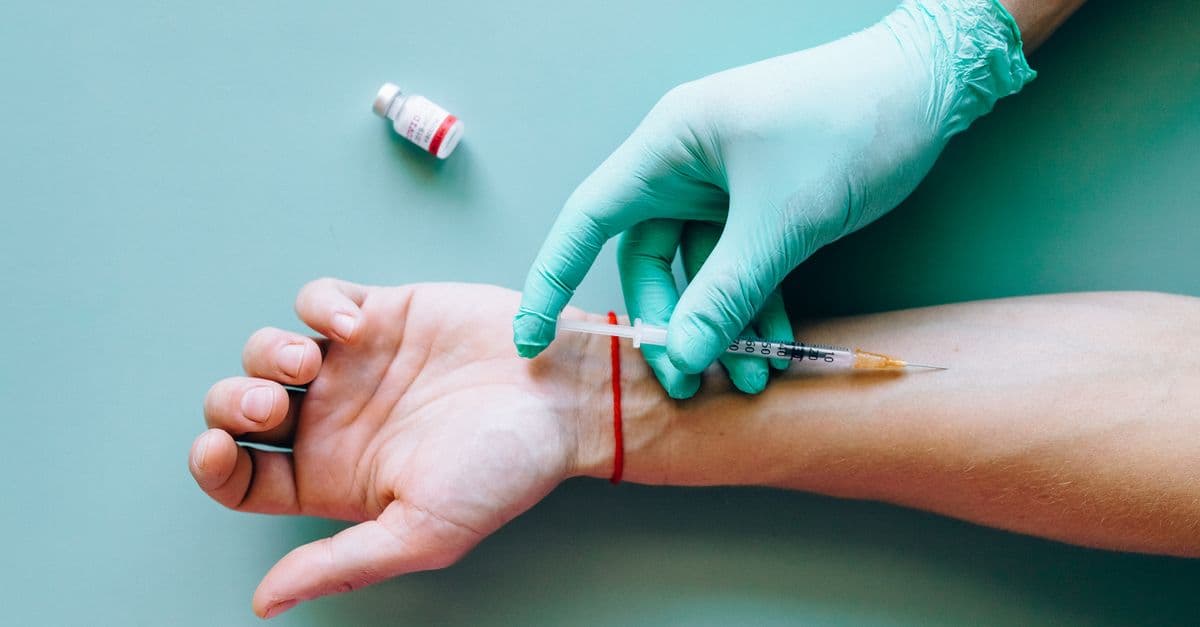
You'll develop systematic approaches to injectable formulation design, from API selection through sterilization strategy. Claude helps you troubleshoot failed batches by analyzing root causes, recommends regulatory pathways (505(b)(2), ANDA, NDA), and provides science-backed solutions for stability, compatibility, and manufacturability challenges.
This skill helps you systematically assess integration needs across your systems, design architecture patterns that scale with your organization, and identify technical and operational risks before implementation. You'll receive architecture recommendations aligned to your business constraints, clear integration roadmaps, and risk mitigation strategies that reduce deployment surprises. Get structured decision records suitable for architecture review boards and engineering teams.

You can conduct comprehensive hazard analyses for chemical processes using industry-standard methodologies like HAZOP and LOPA. The skill helps you assess risks quantitatively, identify control gaps, design engineered safeguards, and generate formal documentation for regulatory compliance and process safety management.

Claude analyzes your code diffs and generates standardized commit messages that follow the Conventional Commits specification. The skill automatically determines the correct commit type, scope, and description based on the changes you've made, ensuring your messages are parseable by automation tools while remaining human-readable for code reviewers.

You can transform raw text into structured, labeled datasets for machine learning, analysis, and research. This skill performs named entity recognition, sentiment classification, part-of-speech tagging, and dependency parsing—generating consistent, validated annotations at scale. Use it to prepare corpora, extract entities, classify documents, or perform linguistic analysis without manual annotation.
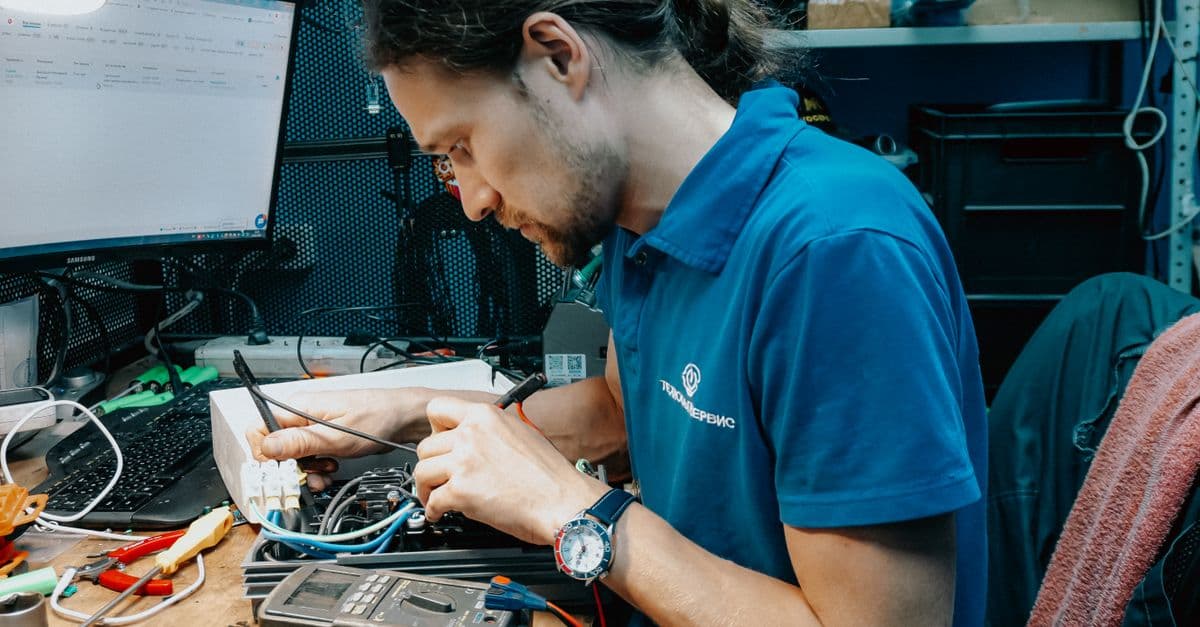
Rapidly analyze firmware logs and diagnose hardware issues that cause device failures, connectivity problems, and performance degradation. You'll identify root causes from stack traces, crash dumps, and sensor data, then generate specific optimization recommendations. This skill transforms raw device logs into actionable debugging plans that reduce time-to-resolution from hours to minutes.