


Zoning Violation Investigation & Enforcement Analyzer
Document, analyze, and prioritize zoning violations with legal defensibility

What You Can Do
Transform field observations into structured enforcement records that establish violation facts, applicable code requirements, and health/safety implications. You can assess violation severity against legal thresholds, prioritize enforcement actions across your jurisdiction, and generate defensible documentation for notices, cease-and-desist orders, or potential legal proceedings. The skill helps you identify compliance patterns by property owner or location to support strategic enforcement decisions.
Features
Systematically capture violation details, photographs, measurements, and witness observations in legally defensible format
Automatically match observed violations to applicable zoning code sections with specific requirement citations
Evaluate violation against legal thresholds, imminent danger factors, and health/safety implications to justify enforcement tier
Rank multiple violations by risk level, pattern indicators, and enforcement resource constraints for strategic allocation
Identify repeat violators, recurring violation types by property or owner to support targeted enforcement strategy
Generate specific remedies, compliance timelines, and verification processes with legal defensibility language
Structure violation records for notice generation, appeal defense, or litigation with clear fact documentation and reasoning
Example Output
Example 1: Commercial Property Unpermitted Use
- Violation: Commercial auto repair operation in C-2 zoning district (residential use not permitted)
- Code Reference: Municipal Code §12.3.2, permitted uses table
- Severity: High — active commercial operation, customer traffic, environmental discharge risk
- Recommendation: Notice of violation requiring cessation of commercial use within 10 days; reinspection on day 12
Example 2: Residential Setback Violation
- Violation: Deck addition 4 feet from side property line (code requires 10-foot setback)
- Evidence: Survey documentation, photographs, site plan measurements
- Pattern: Property owner has two prior violations in compliance history
- Recommendation: Cease-and-desist for ongoing construction; require demolition plan within 30 days or pursue legal action
Example 3: Violation Priority Assessment
- High Priority: Unpermitted commercial use (active operations, public safety risk)
- Medium Priority: Accessory building setback violation (non-active, visual impact)
- Low Priority: Grass height on vacant lot (maintenance issue, minimal compliance impact)
What's Included
- VIOLATION-INVESTIGATION-ANALYZER.md: complete skill instruction file with investigation methodology
- Violation Documentation Template: structured form capturing all evidence elements (photos, measurements, code citations, witness details)
- Code Cross-Reference Checklist: local zoning code quick-reference matrix organized by violation type
- Severity Assessment Rubric: scoring framework for evaluating imminent danger, health/safety risk, and legal threshold
- Enforcement Priority Matrix: tool for ranking violations by risk level and resource allocation constraints
Who It's For
- Code Enforcement Officers — document violations with legal rigor and generate defensible enforcement notices
- Zoning Administrators — prioritize limited inspection resources and track compliance patterns across jurisdiction
- Municipal Attorneys — prepare violation case files with clear fact documentation for legal proceedings or appeal defense
- Planning Directors — analyze enforcement data for strategic zoning compliance strategy and policy recommendations
- Building/Development Services Managers — track violation metrics and enforcement outcomes for departmental reporting
Best For
- Documenting complaint investigations with evidence that withstands legal challenge
- Assessing whether alleged violations meet legal thresholds for code violation
- Prioritizing enforcement actions across multiple violations in limited-resource environments
- Preparing violation notices, cease-and-desist orders, or legal action documentation
- Analyzing repeat violators and compliance patterns by property or owner for targeted enforcement strategy
You might also like

Transform violation complaints and site inspection data into standardized, defensible enforcement documentation. You can rapidly assess violation severity, establish reasonable remediation timelines, prioritize enforcement actions across multiple violations, and generate compliance agreements that protect jurisdictional authority. The skill structures your analysis to create documentation suitable for both negotiated compliance and formal enforcement proceedings.
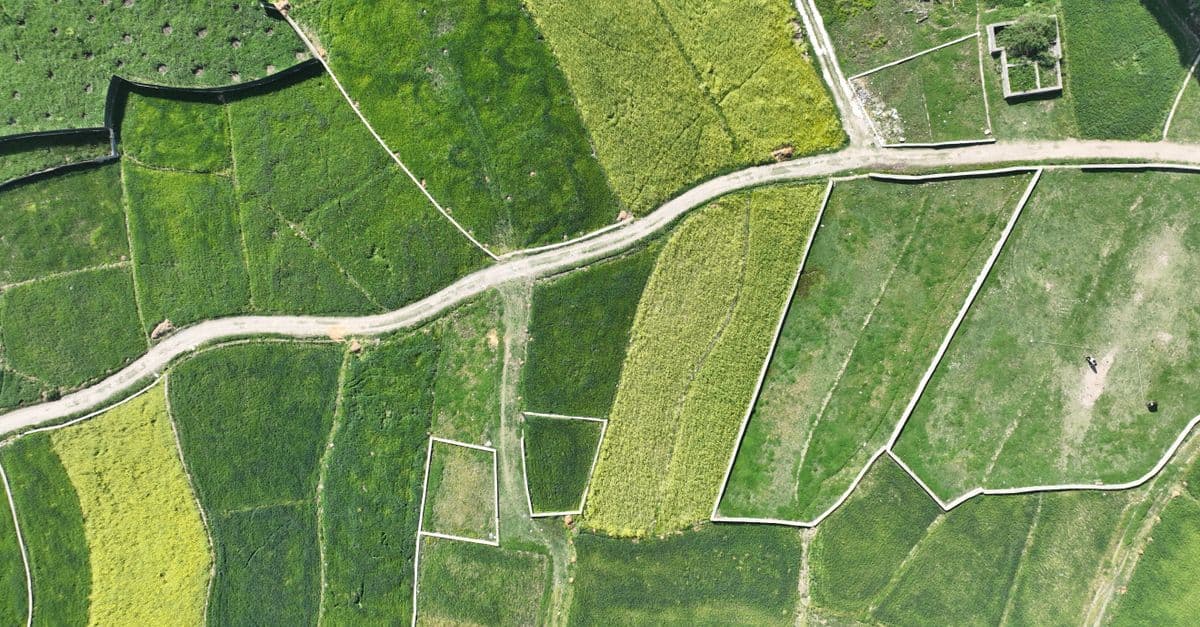
You can systematically design spatial analysis workflows that integrate vector data (zoning boundaries, infrastructure networks, parcel geometries) with raster datasets (elevation models, land use classifications, accessibility surfaces). The skill provides validation protocols to identify data resolution conflicts, projection misalignments, overlay logic errors, and output specification issues before analysis execution. You'll communicate complete analysis specifications to technical teams and stakeholders with confidence that the workflow methodology is sound.

You can conduct comprehensive land use compatibility assessments that identify vertical and horizontal conflicts between proposed developments and surrounding uses. The skill helps you evaluate zoning compliance, assess adjacency impacts, document regulatory alignment, and develop evidence-based mitigation strategies that withstand planning commission and city council scrutiny.

Conduct rigorous corridor-level capacity assessments that balance competing modal demands within constrained right-of-way. You analyze existing conditions across all transportation modes, identify true capacity constraints versus perceived limitations, and generate defensible recommendations for modal reallocation—all grounded in traffic engineering principles, transit operations data, and urban design standards. This skill moves beyond single-mode optimization to deliver integrated corridor function recommendations that stakeholders can act upon.

This skill structures the variance analysis process to ensure consistency, reduce bias, and create audit trails that justify approvals or denials based on established legal standards. You'll generate comprehensive reports that document substantial difficulty claims, unique circumstances, hardship justifications, and condition frameworks that withstand administrative review and potential legal challenge.

This skill structures your conditional use permit analysis to ensure legally defensible findings and consistent decision-making across your jurisdiction. You'll evaluate applications against specific approval criteria, identify required mitigations and conditions with justifiable nexus to impacts, and generate comprehensive staff reports that document your discretionary reasoning and withstand appeals.

You can identify slow spatial queries, analyze PostGIS execution plans, design optimal spatial indexes (GIST, BRIN, SP-GIST), and restructure database schemas for efficient land use analysis, zoning verification, and infrastructure mapping. This skill helps you troubleshoot why intersection queries timeout, optimize buffer operations on large feature classes, and accelerate web mapping service delivery without requiring application code changes.

You can review and verify nautical and aeronautical chart proofs, validate spatial data accuracy against source materials, analyze symbol placement for standards compliance, and identify cartographic errors before publication. The skill provides structured analysis frameworks to catch discrepancies between chart layers, interpret complex features like traffic separation schemes and airspace boundaries, and document quality assurance findings for correction tracking.