


Forensic Toxicology Evidence Chain Analyzer
Analyze toxicology evidence chains and construct litigation-ready expert testimony
What You Can Do
You can reconstruct contamination events with forensic precision, documenting chain-of-custody integrity while anticipating opposing counsel challenges. This skill helps you move from raw analytical data to compelling forensic narratives that withstand cross-examination, analyze contamination pathways across multiple environmental media, and evaluate whether evidence supports alleged exposure routes under Daubert standards.
Features
systematically map toxicological data flow from collection through analysis to courtroom testimony
trace how toxic substances move through soil, water, air, and biological media with documented sequence timelines
identify sampling, handling, and analytical gaps that defense teams will exploit
structure defensible claims that maintain scientific integrity while withstanding cross-examination
assess whether analytical methods and conclusions meet legal standards for expert evidence
create chronological narratives connecting source, pathway, and receptor with supporting data
pinpoint missing samples or measurements that weaken forensic conclusions
anticipate and address opposing counsel strategies before depositions or trial
Example Output
Contamination Pathway Timeline for Groundwater TCE Case:
- Source Identification: Former dry cleaning facility, 1987–2003; TCE discharge rates estimated at 2.5 lbs/year
- Primary Pathway: Vertical infiltration through clay lenses with conductivity 10⁻⁶ cm/s; horizontal migration downgradient 150 meters over 18 years
- Receptor Exposure: Municipal well 400 meters downgradient; TCE detected at 8.2 µg/L (MCL = 5 µg/L)
- Chain-of-Custody Vulnerability: September 2001 samples lack temperature documentation; defense may challenge metabolite analysis
- Expert Testimony Position: Hydrogeological modeling supports source-pathway-receptor nexus with 89% confidence; analytical uncertainty ±2 µg/L
Daubert Compliance Checklist:
- ✓ Methods tested and peer-reviewed in peer-reviewed publications
- ✓ Error rates established for GC-MS analysis (±5%)
- ⚠ Chain-of-custody documentation incomplete for 3 of 18 samples
- ✓ Expert qualified with 12 years forensic toxicology experience
What's Included
- SKILL.md instruction file with protocols for evidence chain analysis and testimony preparation:
- Evidence Chain Deconstruction Template: structured worksheet for mapping data flow from sampling through analysis
- Contamination Pathway Worksheet: media-specific (soil/water/air/biological) pathway tracing with exposure route documentation
- Chain-of-Custody Audit Checklist: comprehensive vulnerability assessment covering sampling, transport, storage, analysis, and custody records
- Expert Testimony Framework: outline structure for depositions and trial testimony with Daubert-compliant language
- Cross-Examination Scenario Planner: anticipated defense challenges with rebuttals and supporting evidence references
Who It's For
- Forensic environmental toxicologists preparing expert witness testimony
- Environmental remediation consultants supporting litigation and criminal investigations
- Environmental attorneys managing toxicological evidence in environmental crime cases
- Regulatory toxicologists evaluating forensic data for enforcement proceedings
- Environmental consultants reconstructing contamination events for toxicological assessment
Best For
- Reconstructing contamination events for litigation support and expert testimony
- Documenting chain-of-custody integrity and identifying analytical vulnerabilities
- Analyzing complex multi-media contamination pathways (soil, groundwater, surface water, air, biological)
- Preparing defensible toxicological conclusions that meet Daubert standards for court admissibility
- Anticipating cross-examination strategies and addressing opposing counsel challenges before deposition
- Evaluating source-pathway-receptor nexus with quantified confidence intervals
You might also like
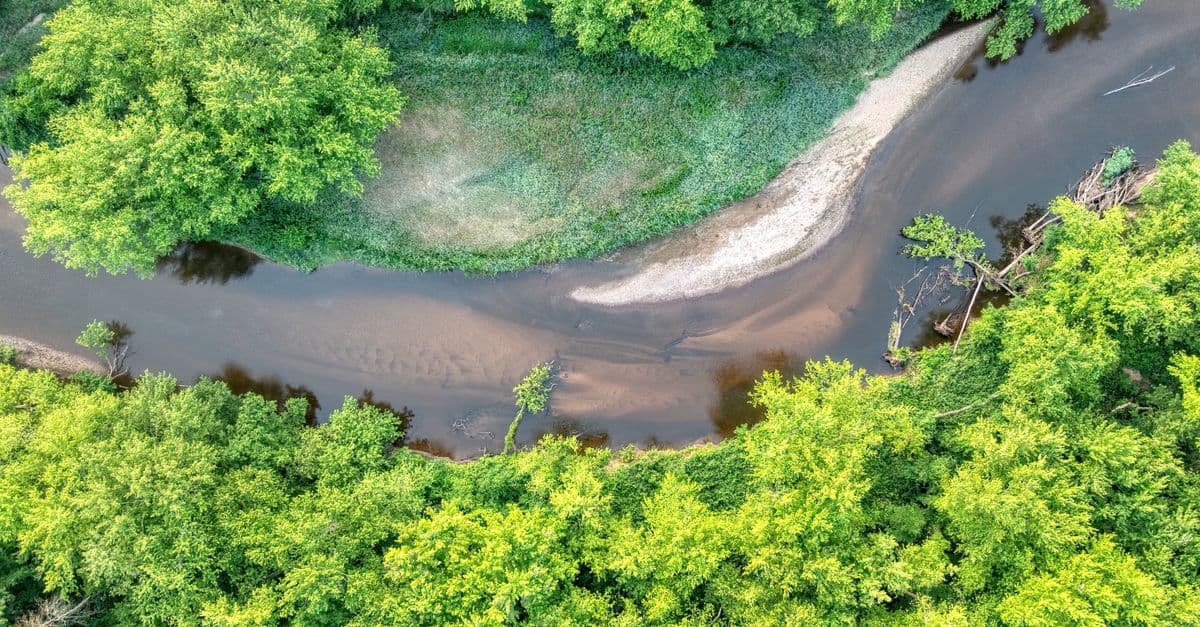
Process multi-parameter water quality datasets (dissolved oxygen, nutrients, pathogens, heavy metals, turbidity, pH, conductivity) to identify contamination patterns, assess ecological risk, and correlate disparate data streams. Generate comprehensive technical reports that support regulatory decisions, 303(d) listing determinations, remediation planning, and stakeholder communication while accounting for seasonal variations, background conditions, and site-specific thresholds.
 by donchitos
You can convert raw water quality test results into comprehensive health risk assessments that connect detected contaminants to specific health endpoints and vulnerable populations. The skill identifies probable exposure pathways, prioritizes intervention urgency, and recommends proportionate remediation strategies grounded in epidemiological evidence and regulatory standards. This enables you to communicate complex contamination findings to diverse stakeholders—from technical regulators to community residents—with clear, actionable risk determinations.
by donchitos
You can systematically analyze air quality data across multiple pollutants (PM2.5, PM10, NO₂, O₃, CO, SO₂, VOCs), identify pollution sources using temporal patterns and meteorological factors, map vulnerable populations by exposure risk, and connect measured air quality to specific respiratory, cardiovascular, and developmental health outcomes. This skill bridges raw atmospheric monitoring data with public health decision-making by contextualizing pollutant concentrations within regulatory frameworks and community-specific exposure pathways.
by donchitos
This skill generates detailed, role-specific launch readiness checklists that scan your codebase, content systems, and infrastructure for common launch blockers. It automatically detects code quality issues (TODOs, debug statements, placeholders), validates build health, checks content calendars and store readiness, and creates structured sign-off documents for each department. You can run it in dry-run mode to preview the checklist or execute it to generate official pre-launch documentation with approval tracking.
by donchitos
You can process complex air quality datasets from continuous monitors, identify statistically significant pollution patterns and exceedance events, evaluate compliance against National Ambient Air Quality Standards (NAAQS), and correlate air quality trends with meteorological drivers. The skill transforms raw particulate matter (PM2.5, PM10) and gaseous pollutant (NO₂, SO₂, O₃, CO) data into defensible environmental assessments that support regulatory reporting, health advisories, and mitigation strategy development.
by donchitos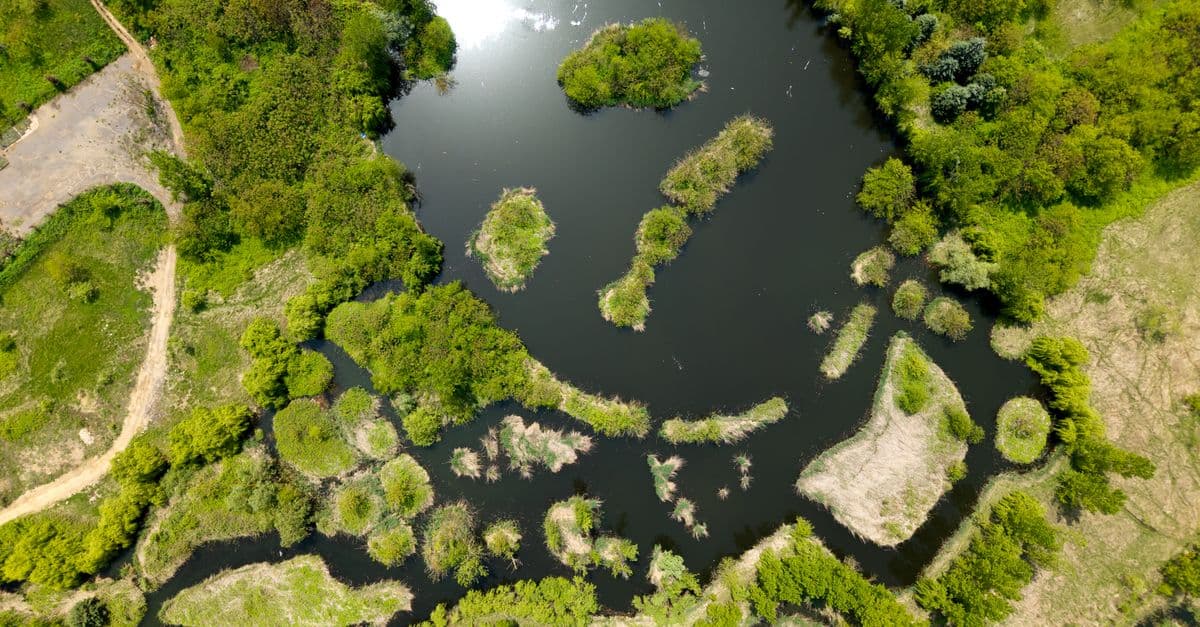
You can systematically evaluate ecosystem health across structure, function, and resilience dimensions by organizing heterogeneous monitoring data into ecologically meaningful categories. The skill helps you identify species functional redundancy and gaps, map causal pathways between stressors and biological responses, and generate severity classifications supported by multivariate reasoning—producing assessments that withstand scientific and regulatory scrutiny.
by donchitos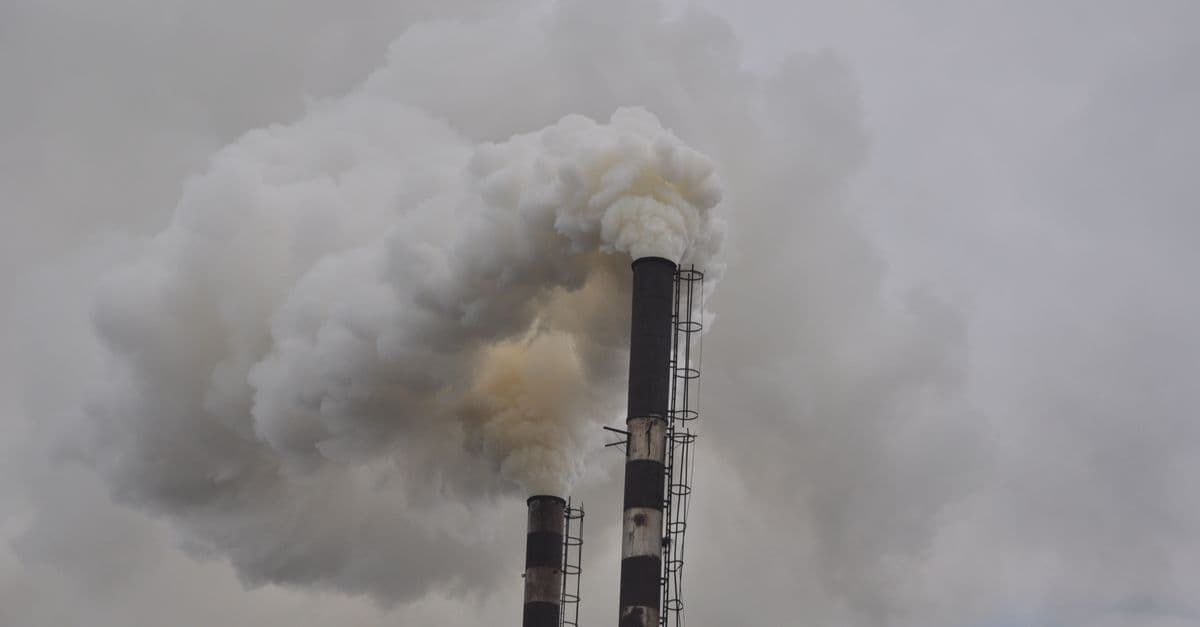
You can rapidly ingest raw monitoring data from multiple air quality stations, validate instrument quality and detect data gaps, calculate AQI and NAAQS compliance metrics, identify pollution episodes and exceedance events, and generate scientifically rigorous technical reports suitable for EPA, state regulators, and local air districts. The skill handles the computational complexity of regulatory air quality analysis while ensuring defensibility for environmental compliance projects.
by donchitos
You can structure comprehensive risk assessments for contaminated sites by integrating hazard identification, dose-response analysis, exposure quantification, and risk characterization into defensible narratives. This skill helps you organize complex toxicological datasets, identify critical uncertainties, apply appropriate safety factors, and communicate probabilistic outcomes to regulators, remediation teams, and stakeholders. The framework ensures your conclusions meet regulatory standards for RCRA, CERCLA, and state environmental programs.
by donchitos