


Vineyard Pest Identification & Treatment Protocol Generator
Identify vineyard pests and generate phytosanitary treatment protocols
What You Can Do
You can submit pest descriptions or vineyard images to receive rapid identification confirmation, damage severity assessments against standardized thresholds, and evidence-based treatment recommendations. The skill generates integrated pest management (IPM) strategies that balance crop protection with wine quality objectives, wine grape residue concerns, and sustainability goals—while ensuring compliance with regional phytosanitary standards and organic certification audits.
Features
analyze scout reports and vineyard images to confirm pest species, life stage, and population dynamics
evaluate damage patterns against standardized economic thresholds specific to wine grape phenology and varietal susceptibility
recommend chemical, biological, and cultural control strategies with efficacy rankings and application timing
generate treatment records aligned with regional regulations and organic/sustainable certification audit requirements
account for véraison sensitivity, bunch closure windows, and equipment/weather constraints to identify treatment windows
evaluate treatment necessity for borderline pest pressure situations considering crop loss risk vs. treatment expense
address lifecycle-specific control strategies (e.g., powdery mildew cycle breaks, second-generation Japanese beetle populations)
highlight residue, tannin management, and quality concerns specific to each treatment option
Example Output
Input: "Found white powdery coating on Pinot Noir leaves at véraison, affecting 15% of canopy in one block. Previous season had severe infection."
Output:
- Identification: Erysiphe necator (powdery mildew), post-véraison pressure
- Severity: Moderate (15% incidence); risk of berry infection if untreated
- Recommended Protocol:
- Cultural: Increase canopy air circulation; remove affected leaves
- Biological: Bacillus subtilis spray (low residue, véraison-safe)
- Chemical backup: Sulfur dust if infection spreads (24-hour harvest restriction)
- Documentation: Treatment timing record for organic audit compliance
Input: Image of 2-3mm spotted beetle on cluster stem with shot-hole damage.
Output:
- Identification: Xiphidinus picipes (flea beetle), single generation
- Severity: Low (localized damage, post-véraison emergence)
- Recommendation: Monitor only; treatment not economically justified this season
- Next Season Prep: Early-season spray threshold and vineyard sanitation notes
What's Included
- SKILL.md instruction file with pest ID protocols and phytosanitary framework:
- Pest severity assessment checklist (thresholds for common wine grape pests):
- IPM treatment decision matrix (chemical, biological, cultural methods by pest type):
- Phytosanitary compliance documentation template for organic/sustainable certification:
- Phenology-based treatment timing guide (véraison sensitivity, bunch closure windows):
- Regional regulation reference guide (placeholder for regional customization):
Who It's For
- Viticulturists and vineyard managers — field scouts and operational decision-makers requiring rapid pest triage
- Organic/sustainable wine producers — managing pest pressure within certification compliance constraints
- Cellar and winemaking teams — assessing treatment options with wine quality and residue implications
- Farm risk/insurance coordinators — documenting pest management decisions for compliance audits
- Vineyard consultants — providing evidence-based recommendations to multiple client estates
Best For
- Scout report verification during critical pest pressure windows (véraison, bunch closure)
- Treatment method selection balancing crop protection, wine quality, and sustainability goals
- Compliance documentation for organic certification audits and phytosanitary record-keeping
- Cost-benefit analysis for borderline pest pressure situations (treatment vs. crop loss risk)
- Multi-generational pest lifecycle management and seasonal control strategy planning
You might also like

You'll structure comprehensive market analysis, competitive landscape assessments, and detailed go-to-market plans for geographic or vertical expansion. Claude helps you identify market opportunities, quantify competitive threats, profile target customers, and develop actionable entry strategies with clear timelines, pricing approaches, and success metrics.
 by nimachu
This skill guides you through developing competitive grant proposals by analyzing funder requirements, aligning your organization's impact narrative with funding priorities, and ensuring all compliance requirements are met. You'll structure compelling proposals that position your organization competitively while maintaining funder credibility and regulatory adherence.
by nimachu
You can systematically assess channel partner opportunities against your business criteria, then design deal structures that balance incentives with risk. This skill helps you build qualification matrices, model revenue potential, and accelerate your channel expansion with a repeatable, data-driven framework.
by nimachu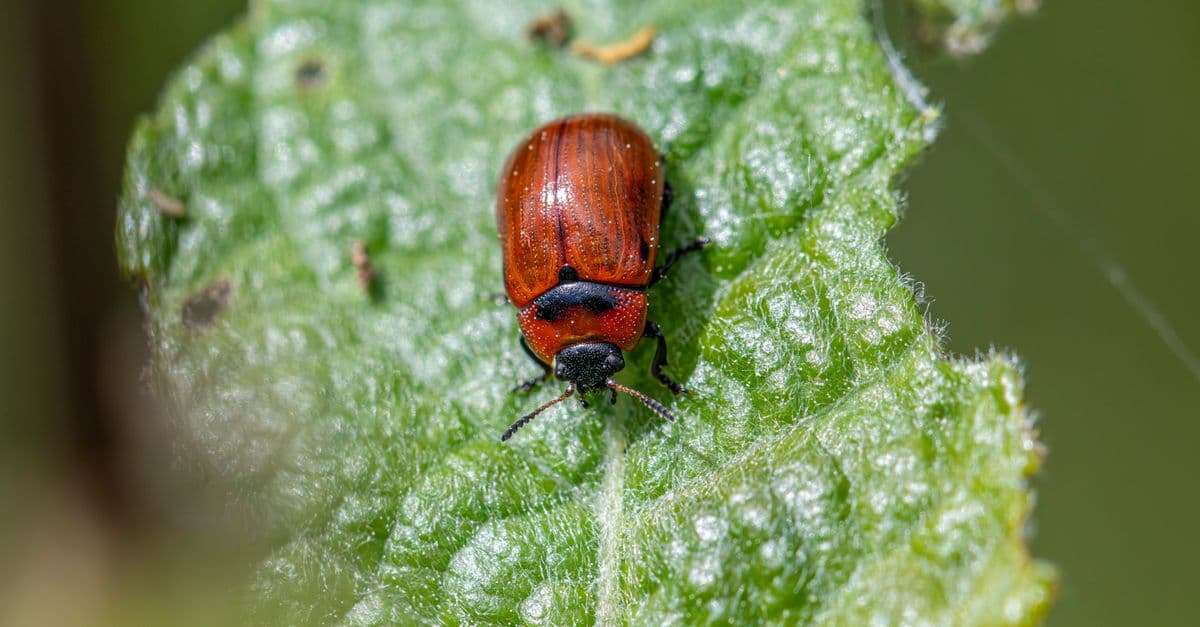
This skill helps you rapidly diagnose pest and disease problems from visual symptoms, damage patterns, and lifecycle indicators, then generates customized IPM protocols that account for your vineyard's location, grape variety, growth stage, and weather conditions. You'll determine economic thresholds for treatment, schedule interventions aligned with pest lifecycles and phenological windows, and document decisions for compliance and future reference.

You can quickly assess partnership fit, model financial ROI, and structure win-win alliance agreements using Claude for deal analysis. Claude evaluates strategic alignment, calculates partnership value, identifies risks, and helps you build consensus across stakeholders. The skill handles everything from initial opportunity screening through detailed deal structuring, risk mitigation, and implementation roadmaps.
by nimachu
You can systematically assess structural loads, calculate material stresses, and determine safety factors for agricultural buildings including grain bins, livestock shelters, and storage facilities. This skill guides you through quantifying dynamic loads (wind, snow, material weight, vibration), identifying potential failure points, and recommending reinforcement strategies to ensure structures meet regulatory requirements and operational demands.
by nimachu
This skill guides you through comprehensive market analysis and go-to-market strategy development for new geographic or vertical markets. You'll evaluate market opportunity, competitive landscape, regulatory factors, and implementation timelines to determine feasibility and develop actionable entry plans. The skill produces structured strategies with phased rollout plans, positioning recommendations, and risk mitigation frameworks.
by nimachu
You can analyze partnership opportunities across multiple dimensions—financial viability, strategic alignment, risk exposure, and cultural fit—using proven frameworks like strategy mapping and competitive analysis. This skill helps you structure deal terms that protect your interests, identify potential friction points before they become problems, and validate whether a partnership truly advances your strategic objectives. You get a comprehensive assessment that moves negotiations forward with confidence and clarity.
by nimachu