

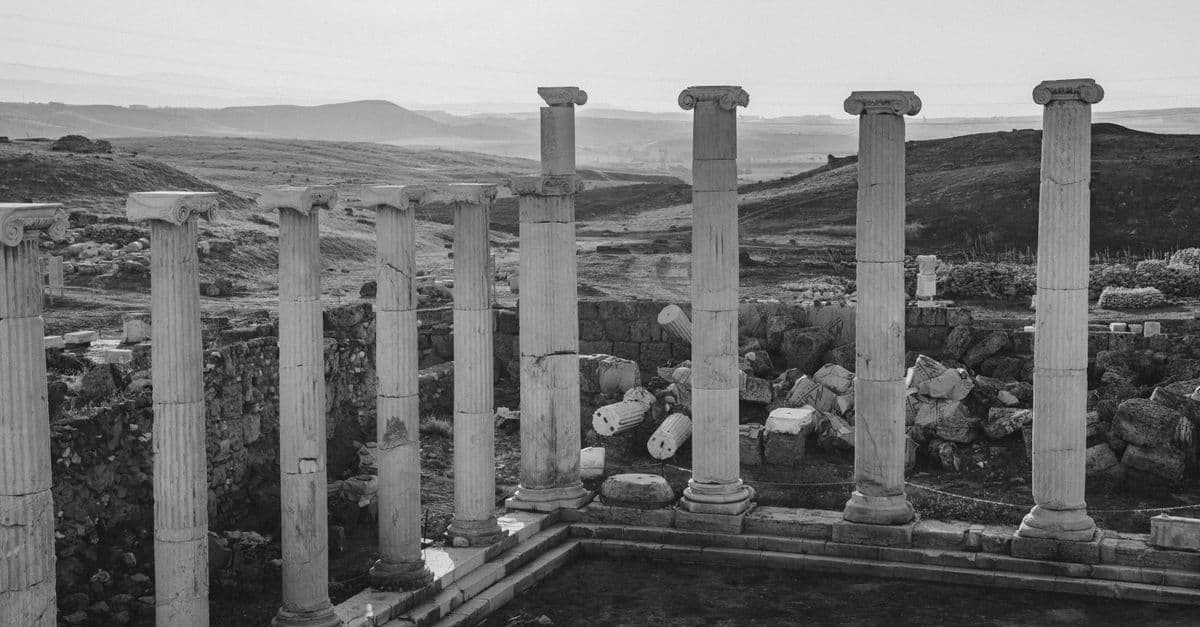
Archaeological Site Documentation Analyzer
Convert field archaeology data into professionally structured site reports with stratigraphic ana...
 by aget-frameworkArchitecture & Built EnvironmentPreservation & HeritageHeritage ConsultantArchaeology
What You Can Do
You can systematically organize disparate field documentation—notes, photographs, stratigraphy diagrams, and artifact catalogs—into structured archaeological reports that establish clear temporal sequences and cultural interpretations. Claude identifies stratigraphic relationships across excavation units, cross-references artifact assemblages with dating indicators, flags documentation gaps, and generates interpretive narratives that connect field evidence to broader archaeological frameworks. This transforms weeks of manual synthesis into hours of organized, professionally coherent site documentation.
Features
Identifies and documents layer sequences, phase boundaries, and temporal relationships across multiple excavation units or trenches
Cross-references artifact types, dating indicators, and typological sequences to establish chronological frameworks and cultural interpretations
Flags inconsistencies, missing context information, and data quality issues before report finalization
Connects site phases to regional chronologies, cultural periods, and comparative assemblages from similar sites
Organizes complex occupational sequences into clear narrative frameworks showing cultural continuity or change
Creates publication-ready site narratives organized by stratigraphic phase with supporting data tables and interpretive sections
Positions site findings within regional and typological literature through evidence-based interpretation
Example Output
Input: Field notes from three excavation units showing pottery sequences, stratigraphic photographs, and artifact inventory lists from a multi-phase occupation site.
Output:
Phase I (Early Bronze Age): Preliminary Settlement (2100–1900 BCE)
- Pottery assemblage includes handmade wares consistent with Anatolian EBA pottery traditions
- Ground stone tools indicate grinding and processing activities
- Stratigraphic Position: Foundation layers in Units A and C; overlain by burn layer indicating abandonment
Phase II (Middle Bronze Age): Expansion (1900–1600 BCE)
- Introduces wheel-thrown ceramics with painted decoration
- Iron content increases in metal assemblage (copper and tin sources expand trade networks)
- Documentation gap: Unit B lacks contextual information for Phase II transition—recommend targeted analysis of balk profiles
Broader Interpretation: Site demonstrates transitional settlement pattern typical of MBA Syria, consistent with shift from pastoral to agricultural economy documented at Tell Halaf and Qatna.
What's Included
- SKILL.md instruction file for Claude with systematic analysis protocols:
- Stratigraphic Analysis Template: Layer-by-layer documentation framework with field-to-report conversion checklist
- Artifact Cataloging Worksheet: Standardized format for linking artifact types, contexts, dates, and comparative references
- Site Report Structure: Professional outline for publication-ready documentation organized by phase and interpretive theme
- Documentation Gap Audit Checklist: Quality control tool to identify missing data before report finalization
- Temporal Contextualization Framework: Guide for positioning site phases within regional chronologies and comparative literature
Who It's For
- Academic archaeologists synthesizing excavation data for site reports, dissertations, or journal publications
- Heritage consultants and cultural resource management professionals documenting compliance excavations and gray literature
- Field directors managing multi-year projects with complex stratigraphy requiring systematic phase documentation
- Museum curators contextualizing artifact collections and accessioning records with original excavation documentation
- Graduate students organizing comprehensive field datasets into coherent interpretive narratives
Best For
- Converting field notes and photographs into structured narrative site reports
- Establishing chronological frameworks for multi-phase occupations with complex stratigraphy
- Cross-referencing artifact assemblages with dating indicators and typological sequences
- Identifying stratigraphic relationships and depositional patterns across multiple excavation units
- Detecting documentation gaps and inconsistencies before publication or archival submission
- Writing interpretive sections that connect local site data to regional archaeological frameworks
You might also like
This skill positions Claude as your Grafana technical advisor. You can optimize PromQL queries for performance, design clear dashboards for incident response, create effective alert rules that minimize false positives, and troubleshoot visualization issues—all grounded in monitoring best practices and your specific metrics context.
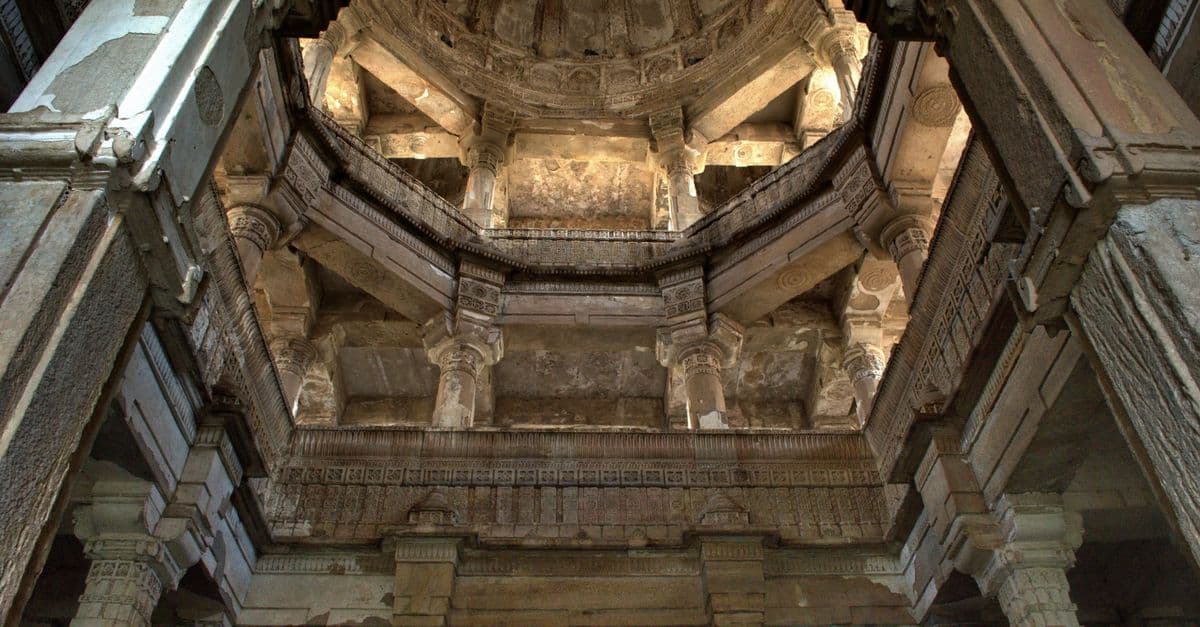
You can leverage Claude as a structured thinking partner to organize complex multi-layered deposit sequences, identify stratigraphic anomalies, build robust site phasing models, and generate defensible interpretive narratives. Claude processes your detailed context descriptions, deposit documentation, and relationship matrices to identify patterns, flag inconsistencies, and suggest alternative interpretations you might have overlooked during field analysis.

You can conduct comprehensive adaptive reuse feasibility evaluations across five critical dimensions: building assessment, regulatory environment, preservation requirements, financial modeling, and market demand. Claude helps you identify preservation constraints, map code compliance pathways, estimate cost implications, and communicate technical findings to non-preservation stakeholders—enabling you to determine project viability before committing to expensive design development and articulate clear recommendations with supporting evidence.

You'll use structured workflows to triage production incidents in your Kubernetes cluster, gather forensic evidence from logs and metrics, and systematically identify root causes. The skill provides command templates for common failure modes—pod crashes, node failures, network issues—and generates incident timelines and remediation recommendations that you can act on immediately.

Rapidly analyze Sentry crash data to identify error patterns, extract root causes, and generate actionable incident response strategies. You'll transform raw error logs into structured incident assessments with severity levels, affected users, recovery recommendations, and team communication templates—turning firefighting into systematic problem-solving.

You can generate complete technical documentation packages for historic structures that meet professional preservation standards and regulatory requirements. This skill produces defensible, archival-quality records including condition assessments, measured drawing descriptions, photographic documentation protocols, material analysis frameworks, and standardized compliance reports. Your documentation serves multiple purposes—regulatory filings, restoration guidance, insurance claims, grant applications, and long-term institutional stewardship.
You can transform a scheduled expert interview into a strategic session by mapping your source's public record, incentives, and known positions, then building a tiered question architecture that moves from foundational to provocative with built-in pivots. Claude helps you anticipate likely evasions, scripts pre-emptive follow-ups, flags attribution constraints, and designs your interview flow for narrative payoff—not just information collection.

You can conduct comprehensive material condition assessments that capture degradation patterns, environmental factors, and damage mechanisms in historic buildings. This skill guides you through structured evaluation protocols that transform subjective observations into defensible conservation decisions, enabling you to prioritize repairs across multiple elements, justify preservation budgets to stakeholders, and specify appropriate materials and methods for contractors.