


Adaptive Reuse Feasibility Assessment Framework
Evaluate historic buildings for adaptive reuse viability and preservation feasibility
 by aget-frameworkArchitecture & Built EnvironmentPreservation & HeritageHistoric Preservation ArchitectAdaptive Reuse
What You Can Do
You can conduct comprehensive adaptive reuse feasibility evaluations across five critical dimensions: building assessment, regulatory environment, preservation requirements, financial modeling, and market demand. Claude helps you identify preservation constraints, map code compliance pathways, estimate cost implications, and communicate technical findings to non-preservation stakeholders—enabling you to determine project viability before committing to expensive design development and articulate clear recommendations with supporting evidence.
Features
Evaluate structural integrity, building envelope condition, systems status, and physical barriers to reuse through systematic documentation
Identify required upgrades for life safety, accessibility, MEP systems, and energy standards with cost-benefit analysis of compliance strategies
Assess National Register listing impacts, local landmark designations, easement restrictions, and Secretary of Interior Standards compliance requirements
Generate order-of-magnitude cost estimates covering preservation, code compliance, MEP upgrades, and tenant improvements with sensitivity analysis
Evaluate end-use feasibility, tenant demand, comparable rental/sales rates, and absorption timelines for residential, office, retail, or mixed-use scenarios
Produce professional reports that communicate technical findings, prioritize constraints, and deliver clear recommendations for stakeholder decision-making
Evaluate competing adaptive reuse scenarios or alternative buildings side-by-side using consistent criteria
Flag hidden structural conditions, code conflict resolutions, and value-add preservation opportunities that impact project economics
Example Output
Example 1: Industrial Warehouse to Residential Loft
Building Assessment: 1925 steel-frame warehouse; brick cavity wall with structural cracks; original timber floors span 35 feet. Potential challenges: fenestration requirements for residential use, MEP routing coordination.
Code Compliance: Mixed-use requirement (ground-floor retail/office) adds $180K–250K. Stairwell enlargement and sprinkler retrofit estimated $120K–180K. Window upgrades for egress: $80K–120K.
Preservation Constraints: Local landmark; NRHP-eligible. Brick exterior preservation cost: $45K–65K. Compatible new infill $250K–350K.
Financial Model: Hard costs $1.2M–1.6M; soft costs (design, permits, contingency) $280K–350K. Market rent: $28–32/sf annually for residential; payback in 12–15 years with 70% occupancy.
Recommendation: Feasible with mixed-use strategy; preservation grants reduce net cost 15–20%.
Example 2: Historic Bank Building to Hotel
Code Compliance: Hotel egress requires new stair tower ($200K–300K) OR building height exemption strategy ($50K in engineering studies). Life safety upgrades: $140K–200K.
Preservation: Interior character-defining elements must be retained (vault, teller line, ornamental ceiling). Reuse cost: $25K–40K. Exterior restoration: $120K–180K.
Market Viability: Hotel demand strong; comparable boutique rates $180–220/night. Feasible with 65% occupancy breakeven.
What's Included
- SKILL.md instruction file with structured assessment framework:
- Five-dimension feasibility analysis template (building, regulatory, preservation, financial, market):
- Code compliance pathway decision tree for common reuse scenarios:
- Cost estimation worksheets for hard costs, soft costs, and contingency planning:
- Feasibility report outline and recommendation memo template:
- Preservation constraint checklist (NRHP, local landmarks, easements, design standards):
Who It's For
- Historic preservation architects conducting pre-design feasibility screening
- Real estate developers evaluating adaptive reuse opportunities
- Project managers communicating preservation viability to stakeholders
- Heritage conservation consultants building business cases for funding proposals
- Design firms determining project scope for preservation clients
Best For
- Initial screening of candidate buildings for adaptive reuse potential
- Comparing multiple historic properties to recommend the most feasible option
- Identifying preservation constraints before design development begins
- Estimating order-of-magnitude costs for financial pro formas and investment decisions
- Communicating technical preservation requirements to non-specialist audiences
- Building investor or grant funder confidence in project viability assessments
You might also like
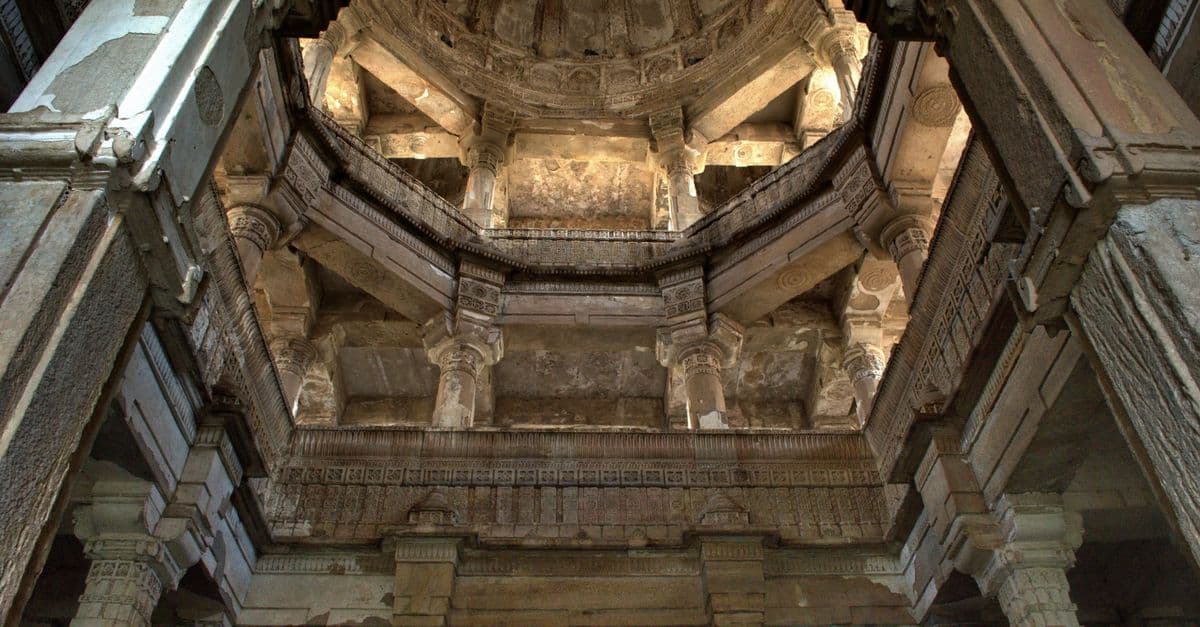
You can leverage Claude as a structured thinking partner to organize complex multi-layered deposit sequences, identify stratigraphic anomalies, build robust site phasing models, and generate defensible interpretive narratives. Claude processes your detailed context descriptions, deposit documentation, and relationship matrices to identify patterns, flag inconsistencies, and suggest alternative interpretations you might have overlooked during field analysis.

You can transform a scheduled expert interview into a strategic session by mapping your source's public record, incentives, and known positions, then building a tiered question architecture that moves from foundational to provocative with built-in pivots. Claude helps you anticipate likely evasions, scripts pre-emptive follow-ups, flags attribution constraints, and designs your interview flow for narrative payoff—not just information collection.

You'll use structured workflows to triage production incidents in your Kubernetes cluster, gather forensic evidence from logs and metrics, and systematically identify root causes. The skill provides command templates for common failure modes—pod crashes, node failures, network issues—and generates incident timelines and remediation recommendations that you can act on immediately.

This skill positions Claude as your Grafana technical advisor. You can optimize PromQL queries for performance, design clear dashboards for incident response, create effective alert rules that minimize false positives, and troubleshoot visualization issues—all grounded in monitoring best practices and your specific metrics context.

Rapidly analyze Sentry crash data to identify error patterns, extract root causes, and generate actionable incident response strategies. You'll transform raw error logs into structured incident assessments with severity levels, affected users, recovery recommendations, and team communication templates—turning firefighting into systematic problem-solving.
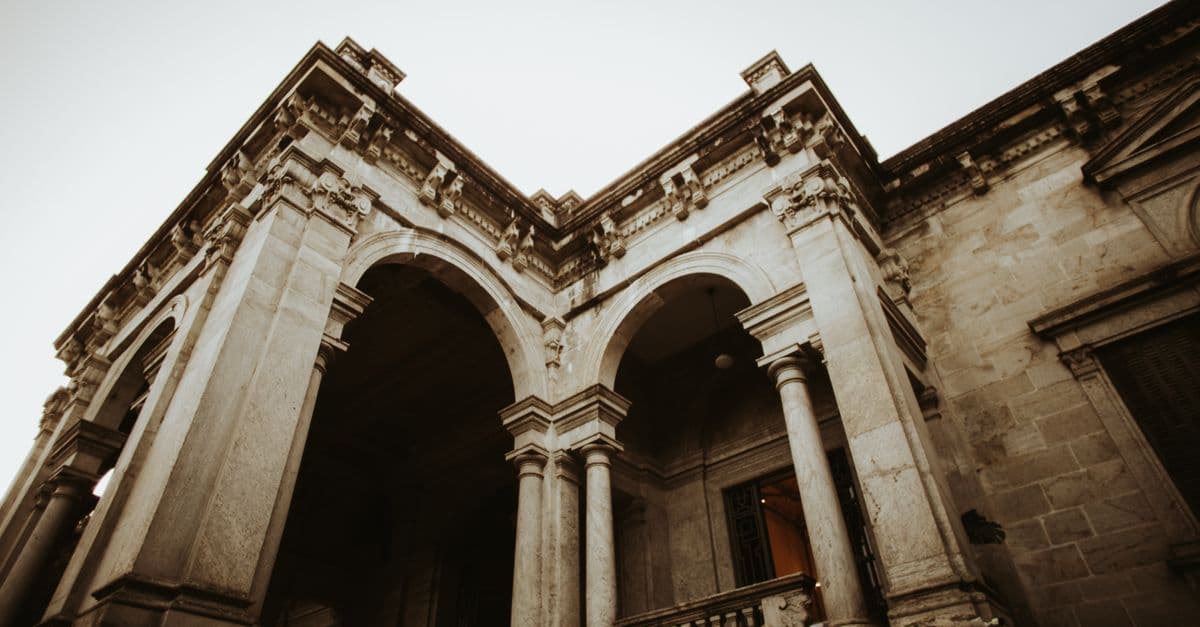
You can generate complete technical documentation packages for historic structures that meet professional preservation standards and regulatory requirements. This skill produces defensible, archival-quality records including condition assessments, measured drawing descriptions, photographic documentation protocols, material analysis frameworks, and standardized compliance reports. Your documentation serves multiple purposes—regulatory filings, restoration guidance, insurance claims, grant applications, and long-term institutional stewardship.

You can conduct comprehensive material condition assessments that capture degradation patterns, environmental factors, and damage mechanisms in historic buildings. This skill guides you through structured evaluation protocols that transform subjective observations into defensible conservation decisions, enabling you to prioritize repairs across multiple elements, justify preservation budgets to stakeholders, and specify appropriate materials and methods for contractors.

Transform archival research and complex historical information into engaging narratives that resonate with diverse visitor segments while maintaining scholarly rigor. You can create consistent interpretive strategies across multiple touchpoints—from wayfinding copy and museum panels to audio guides and digital experiences—that drive tourism engagement without compromising cultural sensitivity or historical accuracy. This skill systematically identifies interpretation opportunities within existing spaces and integrates primary sources into compelling storytelling frameworks.