


Cycle Count Variance Analyst
Root cause analysis for cycle count variances and inventory errors

What You Can Do
You can analyze cycle count discrepancies in detail, identifying why variances occurred and their impact on inventory accuracy. The skill systematically investigates variances, pinpoints root causes (data entry errors, shrinkage, misplacement, system sync issues), and generates targeted corrective action plans with measurable outcomes to prevent recurrence.
Features
Systematically identifies underlying causes of cycle count discrepancies, distinguishing between data quality issues, physical inventory loss, location errors, and process breakdowns.
Analyzes historical variance data to uncover patterns by location, SKU, date, or staff member, revealing systemic issues vs. random discrepancies.
Generates prioritized, actionable recommendations tailored to each root cause, with implementation steps and success metrics.
Calculates accuracy metrics by area and time period, benchmarks against industry standards, and tracks improvement progress.
Identifies high-impact variances and high-risk areas requiring immediate attention based on frequency, cost impact, and severity.
Creates professional variance analysis reports with visualizations, summaries, and executive briefings for stakeholder communication.
Compares current variance performance against historical data and industry benchmarks to contextualize results and set improvement targets.
Example Output
Variance Analysis Summary
- Total Variance Found: 147 units across 12 SKUs
- Financial Impact: $3,840 (at average unit cost)
- Accuracy Rate: 97.2% (below target of 99%)
Root Causes Identified
- Data Entry Errors (52% of variance) — Transposition errors in receiving log, concentrated in high-volume receiving area during peak hours
- Misplaced Inventory (28%) — Items stored in alternate locations without location system update
- Shrinkage/Damage (15%) — Identified damage in bin 4C-7, no write-off recorded in system
- System Sync Issues (5%) — Timing lag between physical count and inventory system updates
Priority Corrective Actions
✓ Implement barcode scanning at receiving checkpoint (Estimated impact: +1.2% accuracy)
✓ Audit and standardize storage locations in receiving area
✓ Create damage assessment procedure with photo documentation and immediate write-off process
✓ Increase reconciliation frequency from weekly to daily in affected areas
What's Included
- Root Cause Analysis Framework: Structured methodology for investigating variances with decision trees, diagnostic checklists, and trending analysis templates.
- Variance Report Templates: Professional variance summary formats, executive dashboards, and detailed analysis reports ready for stakeholder distribution.
- Corrective Action Playbook: Proven remediation strategies for common cycle count issues including receiving errors, location management, data entry, shrinkage, and system sync problems.
- Accuracy Metrics & KPI Framework: Industry-standard accuracy calculations, benchmark comparisons, and improvement tracking dashboards to measure progress.
- Best Practices & Process Guides: Recommendations for cycle count procedures, reconciliation frequency, staff training, and preventive controls to reduce future variances.
Who It's For
- Inventory Managers
- Warehouse Supervisors
- Operations Managers
- Internal Audit Specialists
- Supply Chain Coordinators
Best For
- Regular cycle count variance investigation
- Inventory accuracy improvement initiatives
- Root cause analysis for discrepancies
- Compliance and audit documentation
- Variance trend analysis and forecasting
You might also like

You'll create comprehensive, data-driven vendor negotiation briefs that synthesize vendor background, pricing history, market position, and negotiation leverage into a concise, actionable brief. The skill analyzes your vendor context and generates talking points, risk assessments, and strategic recommendations tailored to your negotiation objectives.

You can map your entire supply chain network, identify bottlenecks and inefficiencies, and model optimization scenarios. This skill helps you visualize supplier relationships, distribution channels, and logistics flows to find cost savings and reduce delivery times. You'll get actionable recommendations backed by network analysis and scenario modeling.

You can feed support ticket data, interaction logs, and customer engagement metrics into Claude, which automatically surfaces churn risk signals—declining engagement patterns, sentiment shifts toward frustration, feature adoption gaps, and escalation trajectories. Claude generates risk scores (Critical/High/Medium/Low) with specific evidence and recommends targeted interventions before customers reach the cancellation stage.

This skill quickly analyzes inventory discrepancies from cycle counts, pinpoints the likely root causes, and recommends specific corrective actions to improve accuracy. You can upload count data, review detailed variance breakdowns by location or SKU, and get actionable insights to close gaps in your inventory management.

You can analyze supplier performance across multiple dimensions, identify improvement opportunities, and develop collaborative action plans that strengthen your supply chain. Claude evaluates supplier capabilities, financial health, delivery performance, and quality metrics to surface risks early, then structures targeted development initiatives that drive mutual value creation and reduce supply chain vulnerability.
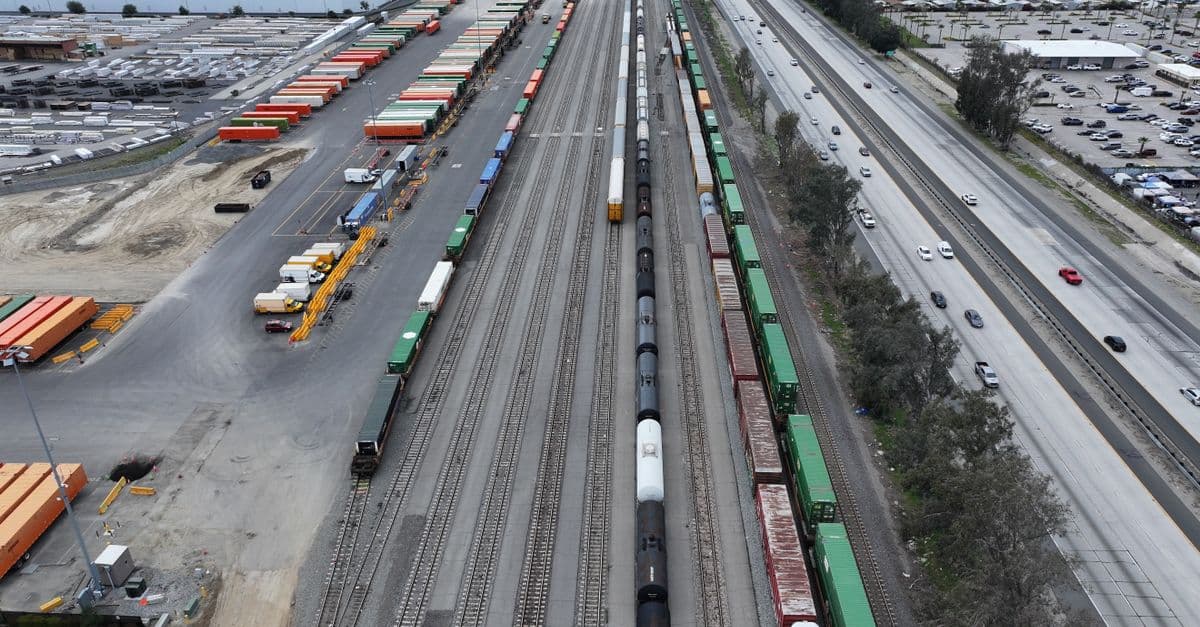
This skill analyzes complex supply chain networks to identify optimization opportunities across cost, service levels, and environmental impact. You can model network changes, evaluate supplier alternatives, and forecast the impact of disruptions before implementation. It provides data-driven recommendations for network redesign, inventory rebalancing, carrier selection, and sustainability improvements.
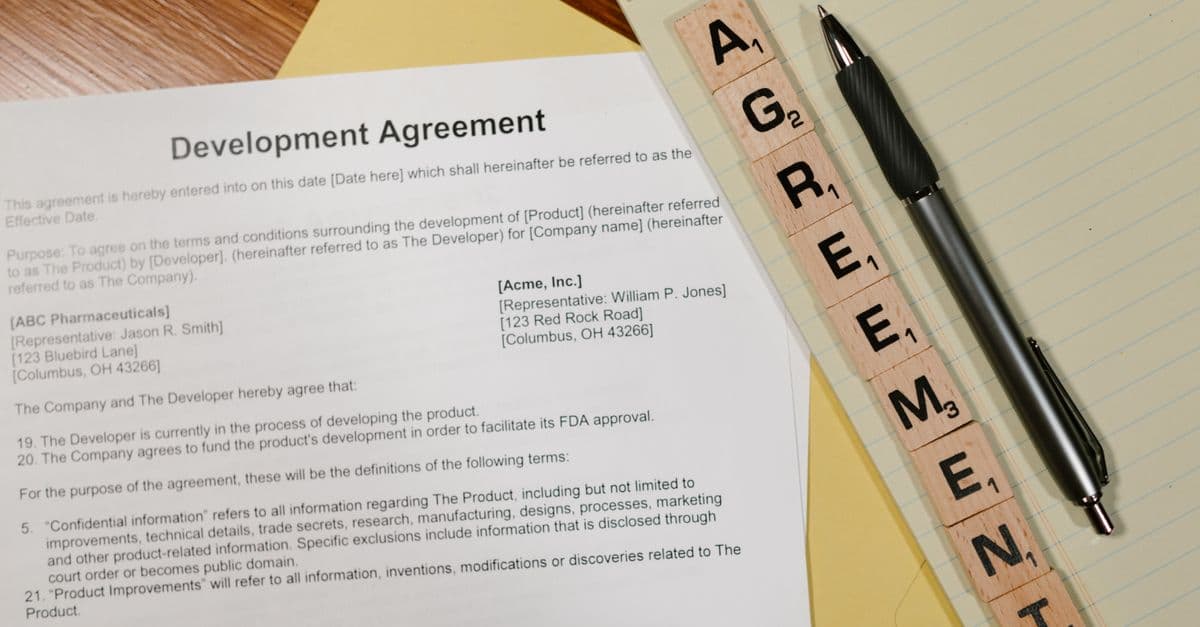
Analyze supplier capabilities and proposals using structured evaluation frameworks that score vendors across cost, quality, delivery, and risk dimensions. Claude builds comprehensive negotiation strategies with quantified leverage points, walkaway prices, and contract optimization recommendations. You'll reduce material costs by 10-20% while minimizing supply chain risks through data-driven decision-making.
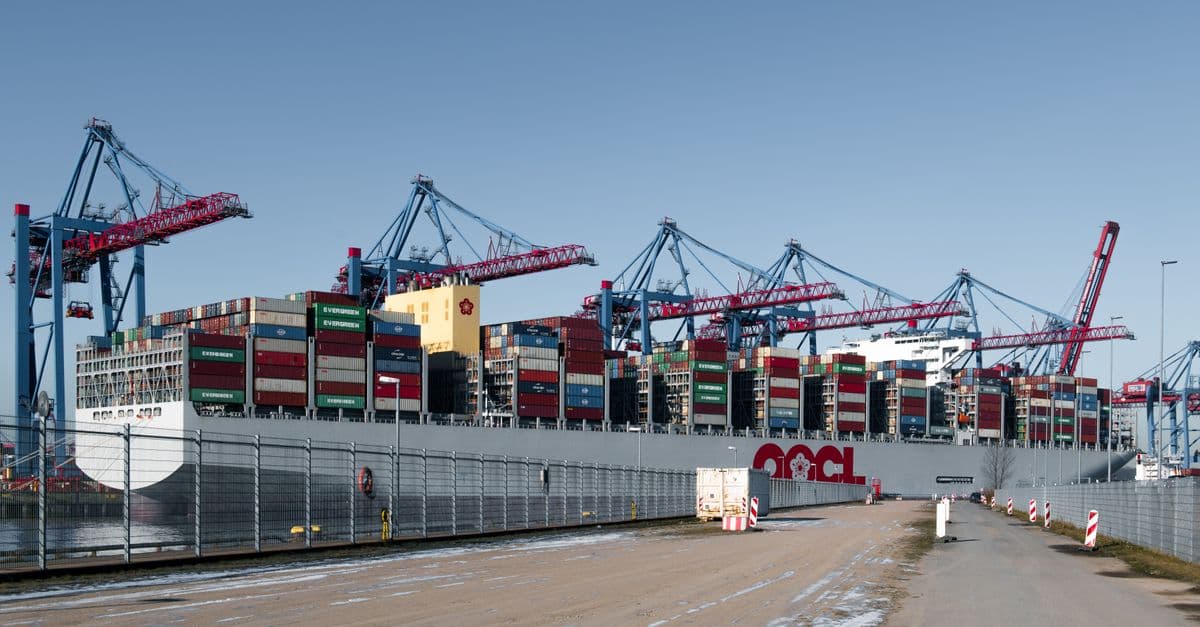
You can analyze shipping expenses across multiple carriers, identify cost-saving opportunities, and evaluate carrier performance metrics to reduce logistics expenses. The skill compares rates, delivery times, reliability scores, and service quality to help you negotiate better contracts and make data-driven carrier selection decisions.