


Sustainable Building Assessment & Optimization Analyzer
Evaluate building designs against LEED, BREEAM, Passivhaus & sustainability frameworks
What You Can Do
You can conduct rigorous sustainability assessments of building designs by mapping design strategies against LEED, BREEAM, Passivhaus, and Living Building Challenge criteria. Claude will quantify environmental benefits (carbon reduction, water savings, energy efficiency), identify compliance risks, and generate defensible recommendations backed by calculation methodologies and precedent analysis—turning design intent into measurable sustainability outcomes with documentation ready for certifying bodies and clients.
Features
aligns design strategies against LEED, BREEAM, Passivhaus, and Living Building Challenge criteria simultaneously
flags compliance shortfalls early and prioritizes highest-impact remediation strategies
calculates carbon reduction, water savings, energy efficiency gains, and embodied impact reductions with methodological transparency
recommends point-maximizing strategies and trade-offs specific to your target certification level (Silver/Gold/Platinum)
produces client-ready documentation and regulatory submissions with evidence-based justifications
grounds suggestions in real-world case studies and performance data from comparable certified projects
assesses alignment with emerging standards beyond traditional frameworks
Example Output
Example 1: LEED v4.1 Gap Analysis
- Current Design Score: 68 points (Silver threshold: 80)
- Compliance Gaps: EQc2 (Low-emitting materials), WEc3 (Water efficiency)
- Recommended Actions:
- ✓ Specify low-VOC finishes (4 points, $2K incremental cost)
- ✓ Install sensor-based faucets (3 points, $8K cost)
- ✓ Optimize envelope performance (5 points, $35K cost)
- Projected Score: 87 (Gold)
Example 2: Passivhaus Thermal Bridge Analysis Design Element: Balcony Connection
- Current U-value: 0.18 W/m²K (exceeds 0.15 threshold by 20%)
- Recommended Detail: Structural insulation panel (XPS) with thermal break
- Revised U-value: 0.09 W/m²K ✓ Compliant
- Annual heating reduction: 2,400 kWh (equivalent to 0.6 tonnes CO₂)
Example 3: Living Building Challenge Imperatives Scorecard Petal Status Summary: 3 of 7 fully compliant, 3 require mitigation, 1 non-compliant
- Red Flag: Place Petal (no local habitat restoration)
- Quick Win: Water Petal (rainwater harvesting feasible, $45K investment, 85% reduction)
What's Included
- SKILL.md: complete framework reference guide with assessment methodology
- Multi-Framework Compliance Checklist: LEED, BREEAM, Passivhaus, and LBC requirement matrices
- Environmental Impact Quantification Template: standardized calculation methodology for carbon, water, and energy metrics
- Gap Analysis & Remediation Workflow: systematic process for identifying shortfalls and prioritizing interventions
- Sustainability Narrative Template: client presentation and regulatory submission framework with evidence documentation requirements
Who It's For
- Architects conducting LEED, BREEAM, Passivhaus, or Living Building Challenge certifications
- Sustainability consultants and green building specialists supporting design teams
- Design leaders and partners evaluating net-zero and circular economy feasibility
- Project managers coordinating certification strategy with clients and regulatory authorities
- Emerging practice architects building expertise in sustainable design methodologies
Best For
- Preliminary sustainability assessments during schematic and design development phases
- Multi-framework compliance mapping and comparative analysis
- Quantifying environmental performance claims for client proposals and marketing
- Gap analysis between current design and target certification level
- Generating sustainability narratives for regulatory submissions and design review boards
You might also like

You can rapidly develop evidence-based facility programs that account for regulatory compliance, infection control protocols, clinical adjacencies, and operational workflows. The skill translates stakeholder needs into detailed space requirement matrices, validates departmental layouts against FGI Guidelines and building codes, and analyzes clinical workflow to inform spatial adjacencies—preventing costly post-construction redesigns and ensuring buildings support clinical operations.
 by agenmod
You can generate healthcare facility layouts that integrate FGI Functional Guidelines, ADA accessibility requirements, IBC building codes, and facility-specific infection control protocols from the start. The skill translates complex regulatory language into actionable spatial requirements, validates room configurations against overlapping codes, and identifies compliance gaps before costly redesigns occur. This approach accelerates permit review, ensures patient safety is embedded in foundational planning, and reduces value engineering conflicts.
by agenmod
You can develop consistent, broadcast-quality color grades across entire projects using proven workflows and Lumetri techniques. Claude guides you through color theory fundamentals, helps you build custom looks, and provides step-by-step workflows for matching grades across multicam footage and complex timelines. Whether you're correcting skin tones, creating cinematic looks, or maintaining color consistency across episodes, this skill transforms your grading process from guesswork to systematic mastery.
by agenmod
You can quantify embodied carbon at any project phase—from concept through specification—using verified LCA boundaries and industry databases. Claude helps you compare material alternatives numerically (steel vs. CLT, concrete vs. timber), identify which assemblies drive the highest emissions, and generate defensible carbon reports for green building certifications. Since embodied carbon is locked in at design time, this systematic approach ensures your material choices align with net-zero targets before construction.
by agenmod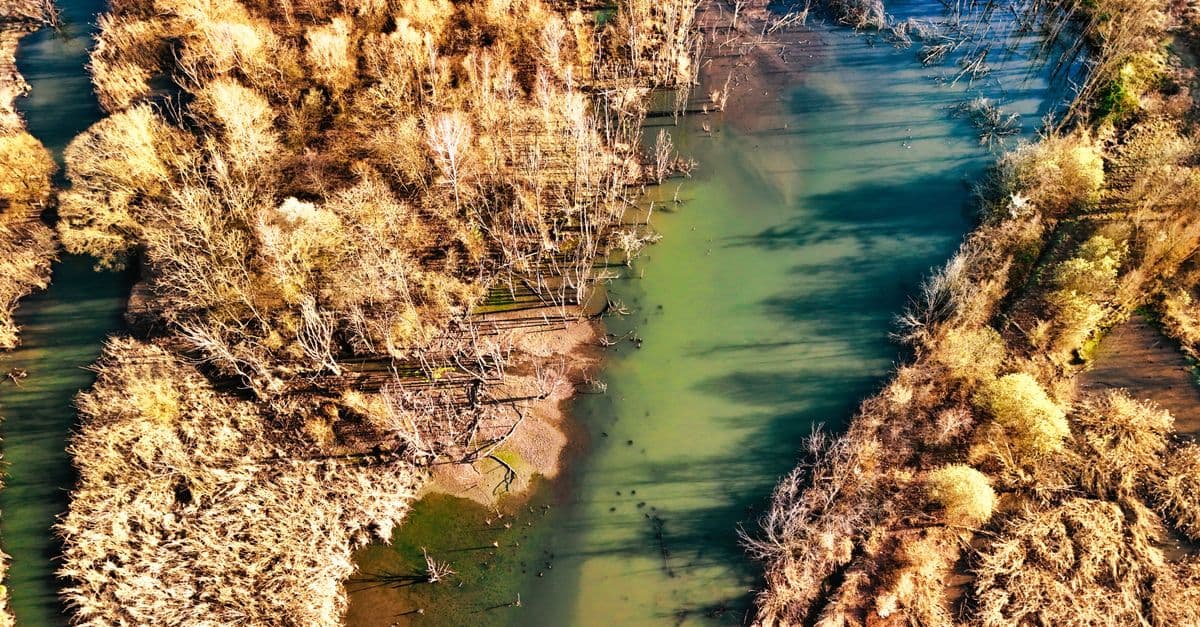
You can analyze degraded stream channels and riparian corridors to identify specific hydromorphic and ecological dysfunction, then design integrated restoration solutions that address root causes while meeting engineering and ecological performance standards. Claude helps you model post-restoration hydraulic behavior, sediment transport, and vegetation establishment sequences aligned with hydromorphic conditions, generating detailed civil and ecological specifications ready for implementation and adaptive management.
by agenmod
You can conduct comprehensive streetscape evaluations that assess design quality across multiple dimensions—pedestrian comfort, accessibility compliance, safety perception, retail vibrancy, and social equity. The skill generates actionable recommendations grounded in NACTO standards, Complete Streets principles, and pedestrian behavior research, helping you move beyond subjective critique toward measurable, defensible design decisions.
by agenmod
You can conduct systematic compliance reviews of residential designs by analyzing them against local building codes, zoning ordinances, and accessibility standards. Claude interprets complex code language, identifies design conflicts, and recommends corrections—all documented for permitting submissions and plan review responses. This skill helps you catch violations before formal review, reducing costly redesigns and accelerating project approvals.
by agenmod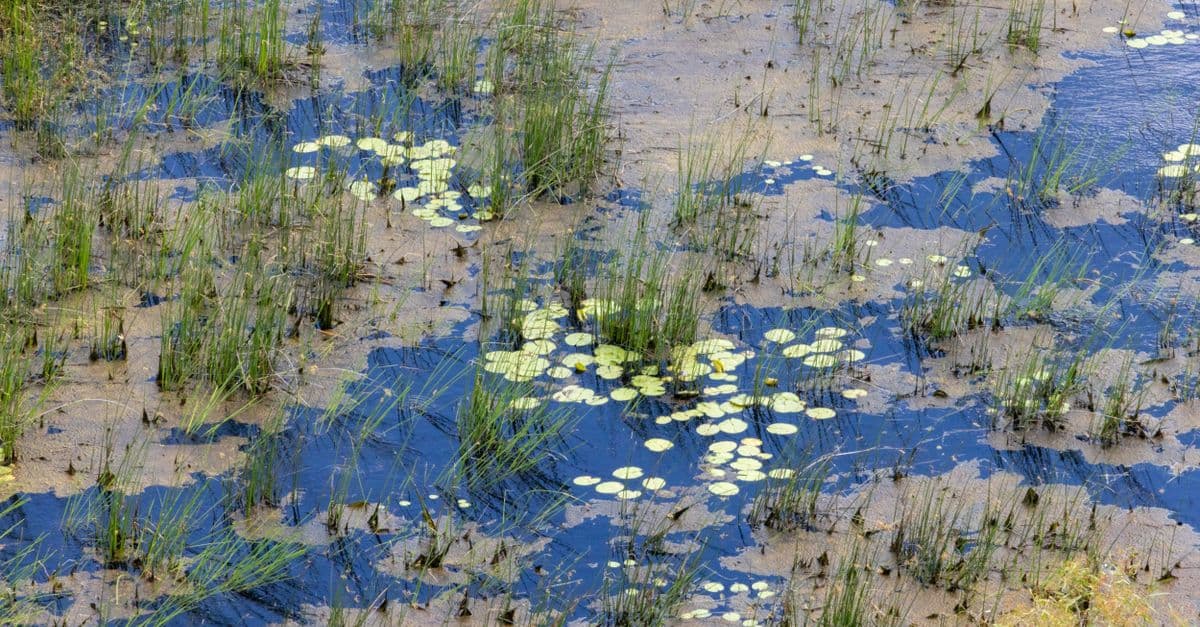
You can conduct comprehensive wetland assessments that synthesize hydrology analysis, soil characterization, and vegetation surveys into actionable restoration designs. This skill generates permit-ready documentation including phased restoration plans, native plant community designs, hydrologic feasibility assessments, and success monitoring protocols that balance ecological recovery with regulatory compliance and budget constraints.
by agenmod