


Ethnographic Data Synthesis Framework
Synthesize ethnographic fieldwork into evidence-based design insights
What You Can Do
You can systematically synthesize large volumes of unstructured ethnographic data—field notes, interview transcripts, observations, and contextual artifacts—into coherent design insights. This skill maps cultural contexts, identifies genuine patterns across multiple data sources, surfaces implicit values and unstated constraints, and translates ethnographic findings into concrete design-actionable recommendations while preserving participant voice and maintaining research rigor.
Features
Build detailed maps of participant environments, daily routines, social structures, and implicit values from observational notes
Simultaneously identify themes and patterns across 3+ interviews, observational sessions, or participant contexts to distinguish cultural practices from individual behaviors
Organize unstructured qualitative data into coded themes with evidence trails, connecting observations to design implications
Surface unstated rules, social norms, and hidden barriers that influence participant behavior and inform design constraints
Convert ethnographic findings into specific, actionable design recommendations with clear evidence-based rationale
Maintain authentic quotes, narratives, and context while structuring data for stakeholder communication
Compare behaviors and contexts across multiple participants to identify universal patterns vs. individual quirks
Example Output
Input: Field notes from 4 coffee shop regulars
Raw data includes: observational notes on ordering behavior, seating choices, laptop usage patterns, social interactions, payment methods, and contextual details about rush hours vs. quiet times.
Output: Synthesis Report
Cultural Context Map:
- The coffee shop functions as a "third place" with clear territorial patterns (laptop users prefer corners, socializers occupy center tables)
- Implicit ritual: arriving early secures both caffeine and uninterrupted work time
- Hidden constraint: limited seating creates anxiety during peak hours
Key Patterns (across 4 participants):
- 3/4 participants switch to standing order after 2+ visits (pattern: familiarity reduces decision friction)
- All participants check seating before ordering (insight: environment shapes purchasing confidence)
- Payment hesitation occurs when queue forms behind them (constraint: social pressure affects transaction comfort)
Design Recommendations:
- Implement pre-ordering system to decouple seating discovery from payment anxiety
- Redesign queue flow to separate ordering from payment (reduces social pressure trigger)
- Add 2-3 semi-private work pods (addresses territorial preference for focused work)
What's Included
- SKILL.md instruction file with systematic synthesis methodology:
- Ethnographic Data Template: structured format for organizing field notes, interviews, and observations
- Cultural Context Mapping Canvas: worksheet for building context maps from raw observational data
- Thematic Coding Checklist: step-by-step guide for identifying and connecting themes across sources
- Design Translation Worksheet: framework for converting ethnographic insights into actionable design recommendations
Who It's For
- UX/UI researchers conducting multi-participant ethnographic studies
- Design researchers transitioning from fieldwork to ideation phases
- Product managers synthesizing user research into strategic insights
- Design strategists building evidence-based design recommendations
- Qualitative researchers working with cross-functional design teams
Best For
- Synthesizing 3+ interview transcripts or observational sessions simultaneously
- Identifying cultural patterns and shared behaviors vs. individual preferences
- Mapping implicit values, constraints, and unstated rules from participant data
- Translating ethnographic findings into specific, stakeholder-ready design recommendations
- Building narrative-driven research reports that preserve participant voice and evidence trails
You might also like
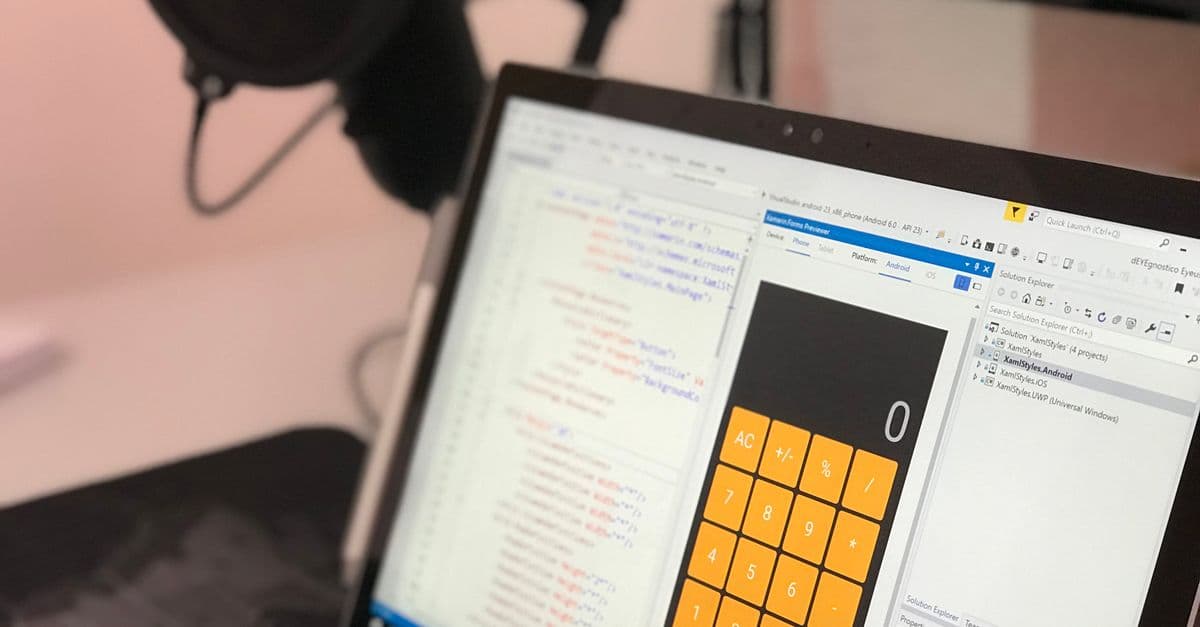
You can systematically evaluate your design system's health using structured frameworks that assess component consistency, design token usage, documentation completeness, and developer adoption. The skill generates prioritized gap analysis reports that quantify issues—like duplicate components, token sprawl, or implementation friction—and translates findings into executive-ready roadmaps with business cases for remediation. You'll move beyond subjective design assessments to data-backed improvement strategies.
 by calesthio
This skill helps you craft error messages and notifications that prioritize clarity and actionability over cleverness. You'll generate empathetic microcopy for error states, in-app notifications, empty states, and edge cases—then test variations against different user personas to minimize cognitive load and maximize task completion rates. It bridges UX research insights with production-ready copy that reduces support tickets and builds user trust.
by calesthio
You'll conduct structured culture audits that go beyond surface-level observations to identify root causes of dysfunction in design teams. Using organizational psychology research, you can analyze team feedback patterns, map collaboration barriers across disciplines, and design targeted interventions that address psychological safety gaps, siloed workflows, and retention risks. Claude helps you transform culture diagnostics into measurable improvement plans tied to specific team performance outcomes.
by calesthio
You can rapidly build responsive, production-ready UI designs using Tailwind's utility-first approach. Apply low-level utility classes directly to HTML elements to create custom designs without writing CSS, implement mobile-first responsive layouts, add dark mode and theme customization, and generate optimized CSS bundles through build-time processing that includes only the classes you actually use.
by calesthio
This skill guides you through creating strategic content frameworks that go beyond tone and voice guidelines. You'll synthesize user research with business goals, define content principles, structure information architecture, and document messaging frameworks that teams can reference repeatedly. The result is a comprehensive strategy that ensures every piece of UX content—from microcopy to help documentation—serves both users and business outcomes.
by calesthio
You can generate customized interview frameworks that assess design ops candidates against specific competencies aligned with your team's maturity and challenges. The skill produces behavioral interview questions, technical scenario assessments, and scoring rubrics that help interview panels evaluate candidates objectively across process optimization, metrics thinking, tool knowledge, and organizational influence—moving beyond portfolio review to predict job-ready performance.
by calesthio
You can systematically evaluate UX/UI design candidates across multiple disciplines—UX researchers, UI designers, product designers, design systems engineers, and coordinators—using role-specific competency frameworks. The skill converts vague impressions into defensible scoring systems that account for cross-functional collaboration capability, process maturity, and systems-thinking critical to design ops success. You'll compare candidates across seniority levels, document evaluation decisions for compliance, and build consistent hiring rubrics your entire design team can deploy.
by calesthio
You can conduct comprehensive microcopy audits across your entire product, categorizing copy by type and user journey stage. Claude helps you identify clarity gaps, consistency issues, and conversion blockers, then generates tested alternatives with clear rationale. You'll produce copy guidelines, A/B test frameworks, and localization-ready copy that drives measurable improvements in user completion rates and confidence.
by calesthio