


Autonomous System Safety Verification
Verify autonomous systems for safety and failure modes before deployment

What You Can Do
Systematically analyze your autonomous system to identify safety risks, edge cases, and potential failure modes. You'll generate comprehensive safety verification reports that document hazards, failure scenarios, and testing requirements. This ensures your system meets safety standards and handles real-world edge cases before production deployment.
Features
Create realistic failure scenarios and edge cases specific to your system type
Systematically identify failure modes and assess their impact and likelihood
Discover potential hazards and categorize them by risk level (critical, major, minor)
Generate targeted test scenarios to verify safety-critical behavior
Verify alignment with safety standards (ISO 26262, IEC 61508, functional safety frameworks)
Quantify safety risks using severity, likelihood, and detectability metrics
Produce actionable checklists for safety validation and testing phases
Example Output
Safety Verification Report for Autonomous Vehicle Lane-Keeping System
Critical Hazards Identified:
- H-001: Loss of lane detection in heavy rain (Severity: Critical, Likelihood: Medium)
- Mitigation: Implement fallback to LiDAR-based lane tracking
- Test: Simulate rain patterns at 0–100 mm/hr precipitation
Edge Cases Requiring Testing:
- Faded or missing lane markings on rural roads
- Transition between highway and local roads with different line styles
- Vehicle obstruction of lane markers at low speeds
FMEA Summary:
| Failure Mode | Cause | Effect | Severity | Detection | RPN |
|---|---|---|---|---|---|
| Camera calibration drift | Thermal shock | Misalignment of vision system | High | Startup check | 120 |
| GPS signal loss | Urban canyon | Loss of absolute positioning | Medium | Real-time monitoring | 72 |
What's Included
- SKILL.md: Complete safety verification workflow and structured analysis instructions
- Safety Verification Checklist: Pre-deployment sign-off items for each system component
- FMEA Template: Structured failure mode analysis worksheet with RPN calculation
- Hazard Log Template: Track identified hazards through closure and mitigation
- Test Scenario Matrix: Map edge cases to test requirements and acceptance criteria
- Risk Assessment Rubric: Severity/likelihood/detectability scoring guide
- Compliance Reference: Safety standards mapping (ISO 26262, IEC 61508, SOTIF)
Who It's For
- Autonomous vehicle engineers — Verify perception, planning, and control systems before road testing
- Robotics safety engineers — Identify failure modes in industrial robot systems and collaborative robots
- AI/ML system architects — Assess safety implications of AI decision-making in critical applications
- Safety-critical system designers — Conduct formal hazard analysis for aerospace, medical, or industrial systems
- Compliance and QA managers — Document safety verification for regulatory approval and certification
Best For
- Pre-deployment safety audits — Comprehensive verification before production release
- Edge case discovery — Uncover corner cases and failure scenarios through structured analysis
- Failure mode analysis — Systematic FMEA for complex systems with multiple interdependencies
- Safety compliance documentation — Generate evidence for ISO/IEC/functional safety certifications
- Test plan development — Create prioritized test scenarios based on risk assessment
You might also like

Analyze Solidity and other smart contract code for security vulnerabilities, gas inefficiencies, and best practice violations. Get detailed reports with risk scoring, remediation suggestions, and optimization recommendations. Whether you're auditing before deployment or reviewing third-party contracts, this skill identifies critical issues faster than manual review.

You can systematically diagnose database performance bottlenecks by sharing your schema, slow query logs, and execution plans with Claude. It identifies root causes—missing indexes, inefficient joins, lock contention—and provides prioritized recommendations with ready-to-implement SQL. Skip the manual log analysis and get tuning strategies tailored to your workload.
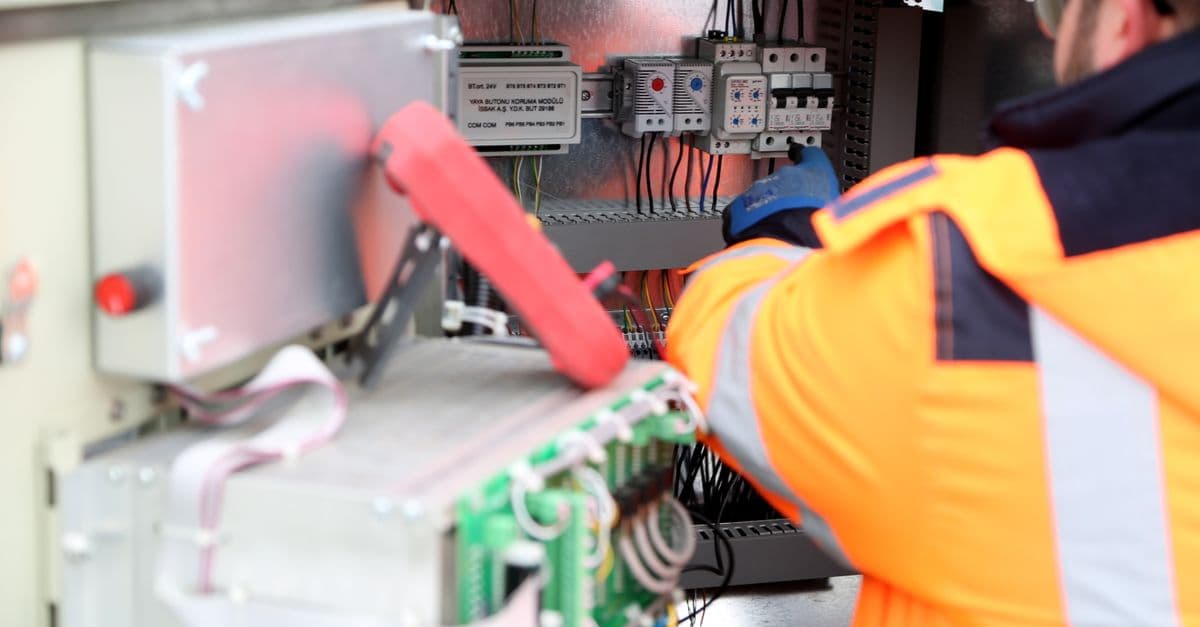
This skill provides a structured approach to analyzing process problems, identifying root causes, and recommending capacity optimizations. You'll get clear bottleneck identification, data-driven recommendations, and a framework to validate whether your solutions actually work. Perfect for diagnosing why workflows are slow and finding the leverage points that matter most.

Use Claude to systematically analyze your database queries, execution plans, and schema to identify performance bottlenecks. The skill generates actionable optimization recommendations with SQL rewrites, index strategies, and configuration tuning. You'll receive detailed before-and-after performance analysis to validate improvements and prioritize work by impact.

This skill evaluates your research protocols against institutional review board requirements, identifies compliance gaps, and generates the documentation needed for IRB submission. You receive a detailed assessment report, risk analysis, and ready-to-use documentation templates tailored to your specific research design.

Conduct organized security assessments using Claude as your strategic partner. You'll develop comprehensive test plans, identify vulnerabilities through systematic reconnaissance, document findings with professional rigor, and map security gaps to compliance frameworks. Claude helps you maintain audit trails, prioritize risks by business impact, and generate executive reports.

You can systematically evaluate cloud platforms, document architectural decisions with tradeoffs, and validate designs against security and compliance requirements. This skill accelerates architecture reviews, ensures consistency across teams, and reduces the cycles needed to reach approval on complex infrastructure decisions.
You can architect multi-node ROS control systems from scratch, including node design patterns, communication flows, and real-time constraints. You'll debug complex node interactions using publisher/subscriber analysis, service call tracing, and action server diagnostics. You can optimize motion controllers through PID tuning, trajectory planning validation, and performance profiling to achieve precise, responsive robotic behavior.