

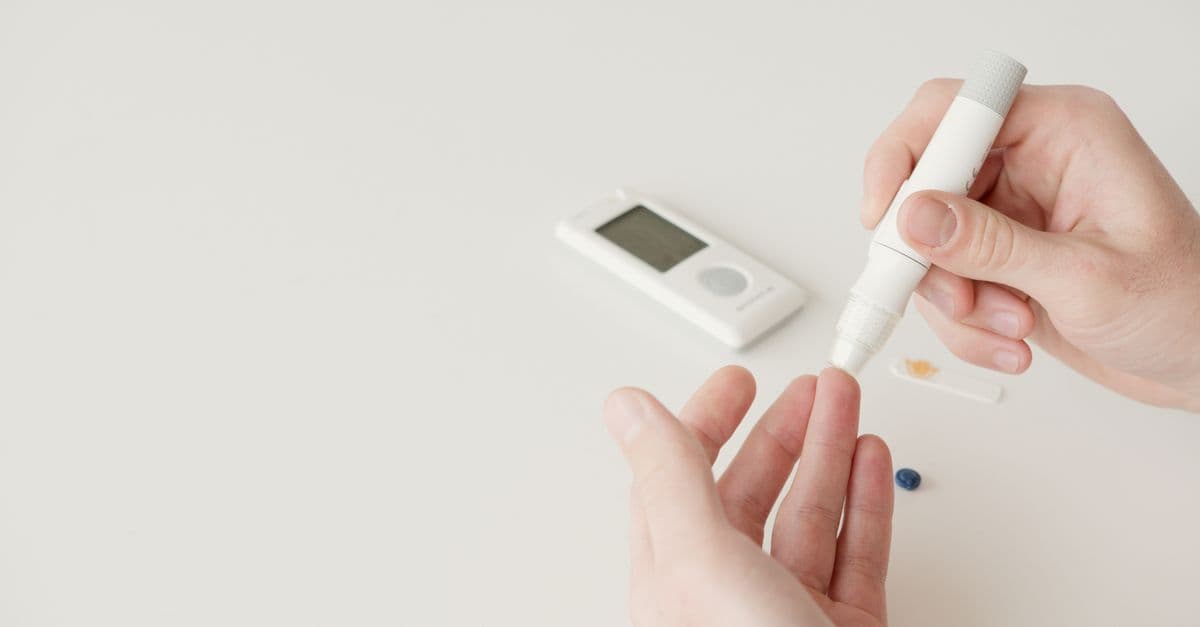
Diabetic Foot Ulcer Risk Assessment & Documentation
Assess diabetic foot ulcer risk & create payer-compliant clinical documentation
What You Can Do
You systematically assess diabetic foot ulcer risk using three standardized classification frameworks, document clinical findings in formats that satisfy medical-legal review and insurance authorization requirements, and identify modifiable risk factors to create targeted prevention and treatment strategies. This skill transforms routine foot exams into structured, defensible documentation that reduces liability exposure, improves patient compliance, and justifies clinical interventions to payers.
Features
stratifies ulcer depth and tissue involvement across five severity grades to guide wound management intensity
evaluates size, depth, location, and ischemia to predict healing outcomes and intervention needs
applies international consensus criteria to classify patients into low/moderate/high/very high risk groups for follow-up frequency
captures monofilament testing, vibration sense, ankle-brachial index, and capillary refill findings
flags shoe fit issues, callus burden, skin breakdown patterns, and hygiene gaps with specific interventions
structures documentation to satisfy medical necessity reviews, prior authorization requests, and quality metrics audits
templates to compare assessment scores across visits and document trend in risk progression or improvement
generates specific prevention instructions, warning signs, and self-monitoring checklists tailored to patient's risk tier
Example Output
Wagner Classification Example:
- Patient presents with 1.2 cm × 0.8 cm superficial ulcer on plantar forefoot without muscle/bone involvement
- Wagner Grade 2 (full-thickness skin loss, subcutaneous tissue exposed)
- Recommendation: Debridement, offloading boot, weekly reassessment
UTEXAS Score Example:
- Size: 2 cm² = 0 points | Depth: full-thickness = 1 point | Location: plantar forefoot = 0 points | Ischemia: no = 0 points
- Total Score: 1 (predicted healing 95% within 12 weeks with appropriate care)
IWGDF Risk Category Example: Patient with loss of protective sensation + callus formation + prior ulcer history = High Risk (Category 3)
- Follow-up: Every 3 months or sooner if callus returns
- Intervention: Custom orthotics, professional callus removal, structured patient education program
Payer Documentation Example: "Patient demonstrates objective signs of high-risk diabetic foot disease per IWGDF criteria, warranting medical necessity for custom-molded orthotics ($X) to prevent recurrent ulceration, which would require hospital admission and result in significant morbidity and cost."
What's Included
- SKILL.md instruction file: detailed prompts for conducting each classification system assessment
- Wagner/UTEXAS/IWGDF Assessment Templates: structured forms to capture findings and auto-calculate risk scores
- Payer Authorization Letter Framework: pre-built structure for medical necessity justification with evidence citations
- Longitudinal Risk Tracking Checklist: templates for comparing risk factors across multiple patient encounters
- Patient Education Handouts: risk-tier-specific prevention instructions, warning signs, and self-monitoring guidance
Who It's For
- Podiatrists and foot specialists — conducting routine and high-risk patient assessments
- Diabetic wound care specialists — managing complex foot ulcers and recurrence prevention
- Primary care physicians — screening diabetic patients for podiatric referral necessity
- Medical practice administrators — documenting medical necessity for insurance authorization requests
- Diabetes educators — teaching patients risk factors and prevention specific to their risk tier
Best For
- Initial diabetic foot risk stratification at first patient visit
- Creating insurance authorization requests for orthotics, specialized footwear, or increased follow-up frequency
- Documenting longitudinal risk trends across multiple clinic visits
- Justifying clinical interventions with outcome-driven reasoning to payers
- Generating patient-specific prevention instructions and warning sign checklists
- Medical-legal defense documentation for amputation prevention care protocols
You might also like

You can conduct comprehensive, real-time labor progression assessments that integrate cervical findings, descent patterns, uterine contractions, and psychosocial factors into structured clinical evaluations. The skill synthesizes complex obstetric data aligned with ACNM standards and birth center protocols, enabling you to identify prolonged labor or arrest disorders early and make informed decisions about continuing birth center support or recommending transfer before complications develop.
 by gptomics
You can rapidly synthesize complex patient data—comorbidities, functional status, labs, medications—into a comprehensive risk profile and actionable optimization plan. This skill guides you through ASA classification, procedure-specific risk stratification, and patient-centered consent documentation to ensure thorough clinical reasoning and defensible preoperative assessment.
by gptomics
This skill guides you through structured psychiatric case formulation using a biopsychosocial framework. You input patient presentation, assessment data, and clinical history, then receive a comprehensive formulation that integrates symptom synthesis, differential diagnosis reasoning, predisposing/precipitating/perpetuating factors, protective factors, and evidence-based treatment recommendations. The output is suitable for clinical documentation, insurance authorizations, case conferences, and supervision.
by gptomics
You can conduct comprehensive subluxation assessments on pediatric patients by integrating structural examination findings, functional limitations, parental observations, and neurological indicators within a developmental context. Claude helps you correlate specific subluxations to presenting complaints (colic, ear infections, torticollis, scoliosis patterns) and create objective documentation suitable for insurance, medical records, and referral purposes. You'll develop age-appropriate treatment plans that address both the subluxation and the child's unique physiological stage.
by gptomics
You can rapidly organize scattered assessment data (OTPF-4 domains, ADL/IADL observations, standardized test results) into defensible treatment plans that clearly connect functional gaps to specific interventions. This skill helps you document medical necessity for insurers, communicate functional limitations to patients and families in plain language, and design adaptive strategies with documented clinical rationale—reducing documentation time by 40-50% while ensuring compliance across any OT setting.
by gptomics
You can systematically evaluate surgical candidates by analyzing comorbidities, functional status, and lab/imaging results to generate evidence-based risk stratification and optimization plans. The skill helps you identify which patients need specialist input, determine pre-operative timeline feasibility, and communicate risk clearly to patients and surgical teams—reducing perioperative morbidity by targeting modifiable factors before surgery.
by gptomics
You can perform structured sports injury evaluations that incorporate mechanism-of-injury analysis, orthopedic special testing, functional movement screening, and clear referral criteria. The skill helps you differentiate soft tissue restrictions from joint dysfunctions, establish baseline function, and create evidence-based return-to-play milestones tailored to the athlete's sport and position. You'll generate documentation suitable for insurance records, team physician communication, and liability protection.
by gptomics
You can systematically generate ranked differential diagnoses for presenting complaints (chest pain, dyspnea, abdominal pain, headache, joint pain, fatigue) by applying evidence-based clinical decision rules and risk stratification. The skill helps you identify red flags that change management priority, justify test selection to supervising physicians, and document diagnostic reasoning in the medical record while reducing anchoring bias and ensuring comprehensive consideration of serious diagnoses.
by gptomics