

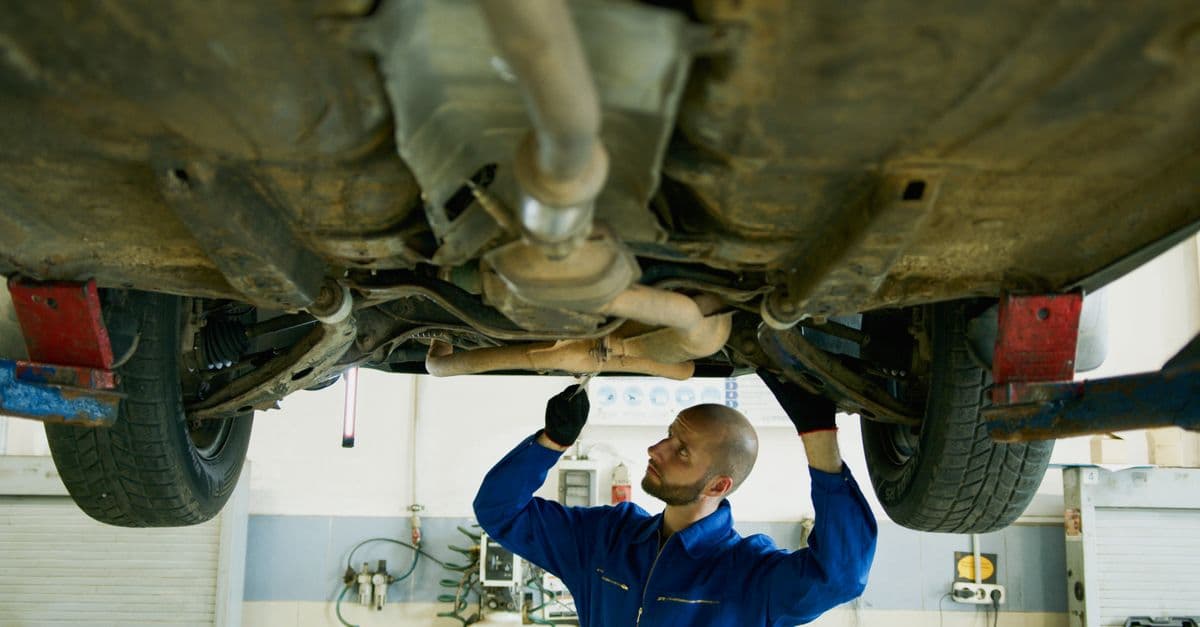
Suspension Kinematics Analysis & Hardpoint Validation
Analyze suspension kinematics, calculate hardpoints, validate geometry

What You Can Do
You can perform rapid kinematic calculations on suspension geometries, automatically generate hardpoint coordinate tables, calculate instant centers and roll centers, analyze anti-squat and anti-dive percentages, and validate that hardpoint coordinates meet your design specifications and packaging constraints. This skill accelerates preliminary suspension design iteration by enabling you to evaluate multiple topologies and identify geometry issues before committing to CAD modeling.
Features
determine kinematic pivots and suspension compliance behavior from linkage geometry
create validated pickup point tables from suspension layout descriptions and design constraints
calculate load transfer percentages and longitudinal weight transfer characteristics
analyze how toe and camber change through suspension travel to predict handling behavior
check hardpoints against packaging constraints, link length limits, and performance targets with clear pass/fail reporting
evaluate different suspension architectures side-by-side with consistent kinematic metrics
produce design review-ready reports with calculations, diagrams, and trade-off justification
Example Output
Example 1: Double-wishbone hardpoint validation
Suspension Type: Double-Wishbone (Front)
Design Target: 2° negative camber gain, bump steer < 0.1°/100mm

HARDPOINT COORDINATES (mm)
| Point | X | Y | Z | Status |
|-------|----|----|----|---------|
| UCA-Chassis | 50 | 220 | 180 | ✓ Pass |
| UCA-Hub | 120 | 280 | 220 | ✓ Pass |
| LCA-Chassis | 60 | 50 | 160 | ✓ Pass |
| LCA-Hub | 130 | 120 | 200 | ✓ Pass |

INSTANT CENTER: X=45mm, Z=315mm (outboard, above hub)
ROLL CENTER: Z=85mm (96mm above ground)
CAMBER GAIN: -2.1° per 100mm bump (Target: -2.0° ± 0.5°) ✓ PASS
BUMP STEER: +0.08°/100mm (Target: < 0.1°) ✓ PASS
Example 2: Anti-squat comparison
Geometry A (Current): Anti-squat = 78% → Predictable understeer under acceleration
Geometry B (Proposed): Anti-squat = 92% → Reduced weight transfer, more neutral balance
Recommendation: Adopt Geometry B; meets packaging and improves transient response
What's Included
- SKILL.md instruction file with prompts for kinematic calculations and hardpoint analysis:
- Hardpoint Coordinate Template: standardized format for inputting and validating suspension geometry
- Kinematic Parameters Checklist: instant center, roll center, anti-squat, anti-dive, camber gain, and bump steer calculations
- Suspension Topology Comparison Framework: side-by-side analysis template for evaluating multiple designs
- Design Validation Report Template: engineering-ready output format with specifications, calculations, pass/fail status, and recommendations
Who It's For
- Suspension Engineers — analyzing kinematic relationships and validating hardpoint geometry during concept and preliminary design phases
- Vehicle Dynamics Engineers — correlating suspension geometry to handling behavior and tuning targets
- Motorsport Design Teams — rapidly iterating suspension topologies and documenting design rationale for competition builds
- Automotive CAD Designers — validating suspension layouts before detailed 3D modeling to catch geometry issues early
- Design Review Engineers — preparing kinematic justification and trade-off analysis for stakeholder presentations
Best For
- Preliminary suspension concept analysis and topology evaluation
- Hardpoint coordinate generation and validation against design specifications
- Instant center, roll center, and kinematic gain calculations
- Anti-squat, anti-dive, camber gain, and bump steer analysis
- Multi-geometry comparison and design trade-off documentation
- Troubleshooting unexpected handling characteristics through kinematic assessment
- Design review material preparation with engineering-ready calculations and justification
You might also like

You can validate AUTOSAR software architectures across multiple compliance dimensions—layer separation, component interfaces, port definitions, service interfaces, and communication semantics. The skill identifies structural violations, missing documentation artifacts, and compliance gaps early in the design phase, helping you catch issues before formal gates and functional safety audits. It generates architecture compliance reports and documentation needed for ISO 26262 functional safety reviews.
You can submit proposed sensor fusion system architectures for structured validation that catches timing violations, coordinate frame mismatches, and redundancy gaps early in the design phase. Claude analyzes sensor interaction patterns, identifies data consistency requirements across cameras, LiDAR, radar, and inertial sensors, then generates detailed test matrices covering multi-sensor fallback modes and operational design domain constraints—accelerating pre-development reviews where architectural fixes are most cost-effective.

You can design complete AUTOSAR 4.x system architectures by automating component allocation across abstraction layers, modeling port interactions and service interfaces, and validating compliance with AUTOSAR standards. Claude helps you create standardized architecture documentation, detect circular dependencies and interface mismatches, and generate port interaction matrices—accelerating ECU architecture development while ensuring standards adherence.

You can analyze FEA thermal simulation data to identify motor hotspots, calculate heat generation from motor losses across operating points, evaluate competing cooling solutions quantitatively, and troubleshoot excessive temperature rise during dyno testing. The skill helps you validate thermal management design margins, assess motor lifetime degradation risk, and optimize cooling loop efficiency—enabling data-driven thermal design decisions before building prototypes.
You can analyze embedded diagnostic code across five critical domains: CAN message parsing and protocol compliance, Diagnostic Trouble Code (DTC) generation logic, diagnostic state machine transitions, sensor fault detection thresholds, and diagnostic data link command handlers (UDS/KWP). The skill identifies logic errors, false-positive configurations, state transition gaps, and compliance deviations that would otherwise only surface during expensive dyno or road testing.
You can efficiently diagnose complex NVH concerns by working through a structured framework that correlates customer symptoms with potential powertrain failures. This skill helps you narrow diagnostic possibilities, recommend targeted testing sequences, distinguish between component failures and tuning issues, and substantiate warranty claims with technical evidence.

You can evaluate simulation scenarios against functional safety and SOTIF requirements, identify untested edge cases and high-risk operational design domains, map failure modes to root causes, and generate traceability matrices linking requirements to validation results. This skill transforms raw simulation data into defensible technical documentation that demonstrates test completeness and readiness for real-world deployment.
You can analyze multi-dimensional steering system performance including torque characteristics, self-alignment torque, steering angle feedback, road feel transmission, and torque vectoring effects. Extract actionable insights from simulation and test data to identify root causes of steering feel issues, then develop tuning recommendations for steering gear ratios, EPS algorithms, suspension geometry effects, and torque vectoring control strategies.