

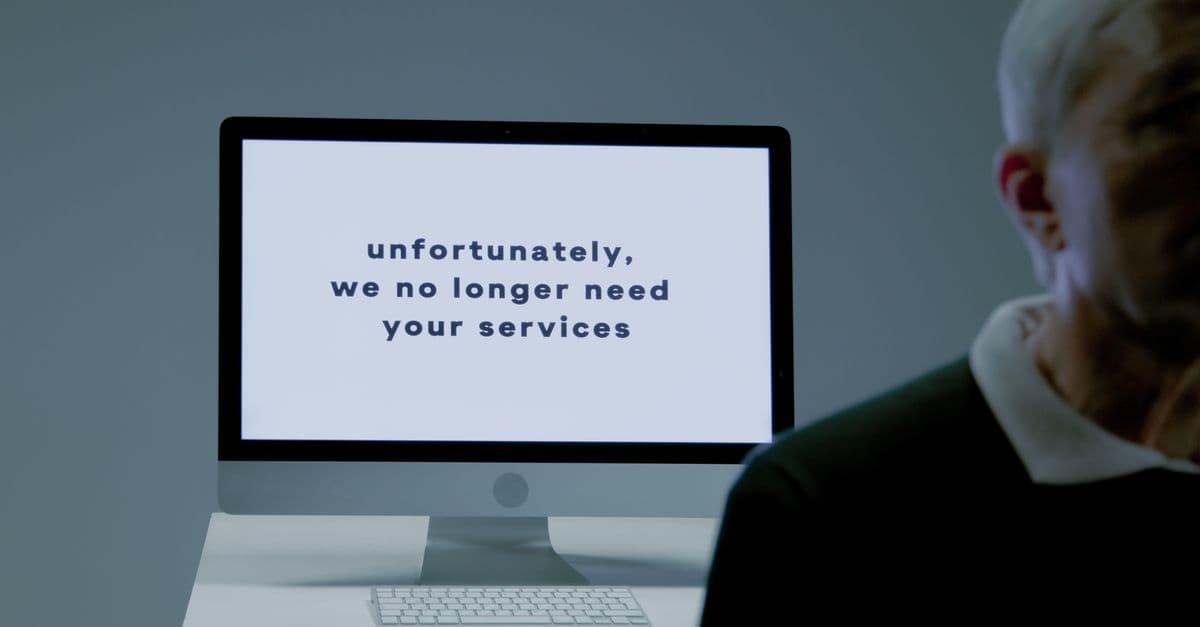
UX Error State Copywriting
Write error messages that guide users to recovery, not frustration

What You Can Do
You'll craft empathetic, actionable error messages that reduce user confusion and support requests. This skill helps you maintain consistent tone across your interface, guide users toward solutions, and transform error states from frustrating to helpful experiences. Apply it to forms, authentication flows, payments, and API failures.
Features
Transform passive error statements into clear, actionable guidance. Your error messages tell users exactly what went wrong and how to fix it.
Eliminate technical jargon in favor of user-friendly explanations. Communicate error causes in language your audience actually understands.
Maintain your brand voice across all error states. Get frameworks for applying empathy, formality, or personality to error messaging.
Pre-built patterns for common error scenarios: form validation, authentication, payment processing, timeouts, and permission issues.
Deliver simple, clear messages first, then provide technical details, logs, or support links on demand—reducing cognitive overload.
Ensure error messages work for all users, including those using screen readers. Get validation techniques for inclusive error communication.
Learn what breaks user trust: avoiding blame, not using 'sorry' alone, preventing vague explanations, and recognizing when errors feel personal.
Example Output
Before: "Error 422: Validation failed"
After: "Password must be at least 8 characters and include a number or symbol. Try adding a special character like ! or @."
Before: "Request timeout"
After: "We couldn't reach the server. This usually clears up in a few seconds. [Retry] or [contact support] if the problem persists."
Before: "Invalid email format"
After: "Please double-check your email. We need the full address (example: you@domain.com) to send your confirmation link."
What's Included
- Error Message Template Library: 50+ production-ready templates for forms, auth, payments, network issues, and feature unavailability—organized by severity and context.
- Tone & Brand Voice Framework: Guidelines for matching your error messages to your product's personality, from playful to formal to reassuring.
- Recovery Action Playbook: Step-by-step approach to structuring errors: acknowledge → explain → guide → offer help (with real examples).
- Accessibility & Inclusive Design Checklist: Validate that your error messages work for everyone—screen readers, color-blind users, mobile users, and non-native speakers.
- Common Copywriting Pitfalls: Learn the top 10 mistakes that erode user trust and how to avoid them in your error messages.
- Real-World Case Studies: Before/after examples from actual products, showing how rewritten error messages reduced support tickets and improved user satisfaction.
Who It's For
- UX Writers & Content Strategists
- Product Managers & Designers
- Frontend Developers & Full-Stack Engineers
- Customer Support & Ops Leaders
- Design Systems Leads
Best For
- Form validation & field-level feedback
- Authentication & authorization errors
- Payment & transaction failures
- Network errors & timeout handling
- Permission denied & feature unavailability
You might also like

Convert your unstructured research notes into professionally structured white papers using strategic prompting patterns. This skill extracts key arguments from raw content, organizes them into compelling sections, and applies editorial polish that emphasizes authority and clarity. You'll produce publication-ready documents that move your audience to action.

You can transform scattered medical and scientific documents into professionally organized, cross-referenced compilations with standardized formatting and hierarchical structure. This skill automatically extracts key information, organizes content by section, generates summaries, manages citations, and formats complex medical data for publications, presentations, or regulatory submissions. Perfect for literature reviews, systematic reviews, clinical protocols, and research grant preparation.

You can draft, refine, and strategize corporate communications that resonate with different stakeholder groups while maintaining consistent brand voice. This skill helps you create audience-specific versions of key messages, develop crisis communication frameworks, and ensure all communications align with corporate policy and brand guidelines. Whether you're managing internal change communications, media relations, or stakeholder updates, you get structured guidance for professional, on-brand messaging.

This skill transforms raw API specifications into production-ready documentation. You provide endpoint schemas, request/response examples, and error conditions—Claude generates comprehensive docs with consistent formatting, complete error guides, and versioning annotations. Output is immediately usable in your API reference or developer portal.

This skill transforms raw customer success data into compelling, multi-format B2B case studies that drive conversions. You provide customer context and business outcomes, and it structures a persuasive narrative, extracts key metrics, generates targeted variations for different buyer personas, and produces formats for web, PDF, and social channels. It includes buyer journey mapping and messaging frameworks so your case study works across your entire sales and marketing funnel.

Transform hardware specifications, datasheets, and engineering data into clear, structured technical documentation tailored to different audiences. This skill automatically identifies safety requirements, ensures regulatory compliance, and generates audience-specific variants—from detailed technical manuals to user-friendly guides—reducing documentation time and improving accuracy.

This skill guides you through structuring, writing, and refining keynote speeches with proven narrative frameworks and storytelling techniques. You'll develop speeches that resonate emotionally, maintain strategic focus, and deliver measurable impact with your audience. From outline to final delivery-ready draft, you get structured feedback on flow, pacing, and authenticity.

You can generate polished executive speeches tailored to any audience—from board meetings to investor pitches. The skill structures compelling narratives, aligns messaging with organizational goals, and prepares delivery-ready speaker notes with timing cues. You'll produce executive-quality documents that maintain consistency across multiple speech contexts while adapting tone and complexity for maximum impact.