

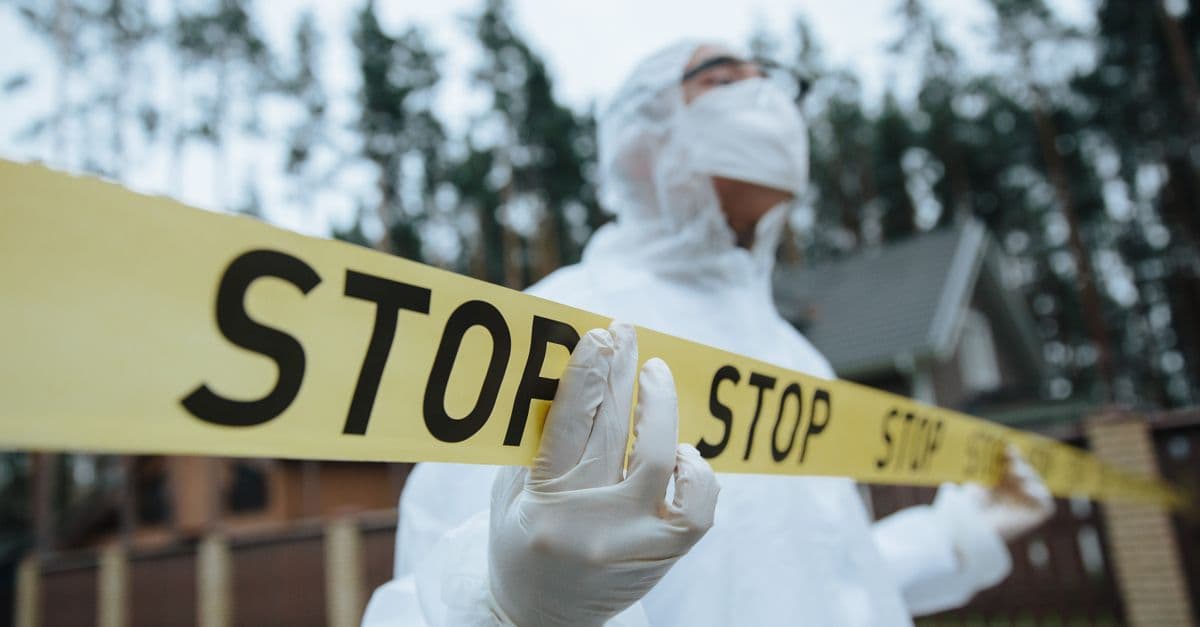
Fire Incident Investigation Analyzer
Analyze fire scenes into legally defensible investigation conclusions
What You Can Do
You can organize complex fire scene data—burn patterns, witness statements, physical evidence, and environmental factors—into structured investigative narratives that establish clear chains of reasoning for origin and cause determination. The skill helps you identify contradictions, evaluate competing hypotheses, and build defensible conclusions resistant to legal challenge by ensuring all evidence relationships and alternative explanations are documented and addressed.
Features
Organize physical evidence, burn patterns, and spatial relationships into hierarchical evidence maps that prioritize critical findings
Cross-reference multiple accounts to identify timeline inconsistencies, corroborate key facts, and flag contradictions for follow-up investigation
Systematically evaluate indicators against established criteria to determine fire classification and eliminate alternative causes
Document connections between physical findings, witness observations, and expert analyses to build transparent chains of reasoning
Structure conclusions with documented rationale, addressed counterarguments, and evidentiary support to withstand prosecution or insurance review
Work through decision trees that ensure all competing hypotheses are evaluated before reaching final origin and cause conclusions
Generate investigation summaries with clear evidence hierarchies, reasoning sequences, and supporting documentation references
Cross-check scene findings against weather data, structural conditions, and utility records to account for contributing circumstances
Example Output
Example 1: Residential Fire Cause Determination
Input: Scene photos showing concentrated burn patterns in master bedroom closet, melted plastic near electrical outlet, witness statement of electrical sparking heard before fire, no evidence of accelerants, minimal outside fire spread.
Output:
- Origin: Master bedroom closet, electrical outlet area
- Primary Cause: Electrical malfunction/arcing
- Supporting Evidence: Concentrated heat damage, melted outlet components, witness account of sparking, negative accelerant detection
- Eliminated Hypotheses: Incendiary (no accelerants, point origin inconsistent with purposeful spread), smoking materials (closet contents inconsistent), open flame (no witness account)
- Confidence Level: High — multiple independent evidence sources support conclusion
Example 2: Commercial Structure Investigation Summary
Input: Multi-room fire with witnesses reporting odor of accelerant, burn patterns showing rapid spread, security footage gap during ignition period, employee motive concerns, competing witness accounts of timeline.
Output:
- Key Contradictions Identified: Witness A reports 10:15 PM ignition; Witness B reports 10:47 PM; footage gap 10:20-10:50 PM
- Evidence Supporting Incendiary: Accelerant odor (requires lab confirmation), rapid spread pattern, security system vulnerability
- Evidence Supporting Accidental: No confirmed accelerant detection results, structural conditions that support natural spread, employee timeline inconsistencies may reflect distress rather than deception
- Recommendation: Pending accelerant lab results and security system examination before final cause determination
- Legal Considerations: Document gap in surveillance evidence; clarify witness reliability factors in report
What's Included
- SKILL.md instruction file: Complete framework for fire scene analysis and investigation documentation
- Evidence hierarchy checklist: Prioritizes physical evidence by evidentiary value and investigative significance
- Witness statement synthesis template: Structured format for cross-referencing accounts, identifying contradictions, and establishing timeline consensus
- Cause determination decision tree: Pathways for evaluating accidental vs. incendiary indicators with documented elimination criteria
- Investigation report scaffold: Report structure with sections for scene observations, evidence findings, competing hypotheses, and legal defensibility rationale
Who It's For
- Fire marshals and fire investigators documenting origin and cause determinations for prosecution or insurance claims
- Insurance adjusters analyzing fire losses and determining coverage eligibility based on cause findings
- Forensic engineers synthesizing fire investigation data with structural and mechanical analysis
- Law enforcement investigators supporting arson prosecutions with organized evidence narratives
- Public safety officials preparing investigation reports that anticipate legal challenges and discovery requests
Best For
- Documenting initial scene observations and establishing evidence hierarchies
- Synthesizing contradictory witness statements into coherent investigation timelines
- Evaluating burn patterns and physical evidence against witness accounts for consistency validation
- Analyzing accidental vs. incendiary indicators using structured decision criteria
- Building investigation conclusions with documented chains of reasoning that withstand legal scrutiny
- Preparing reports that address competing hypotheses and document evidence-based elimination reasoning
You might also like

Generate complete multi-hazard preparedness frameworks that systematically address prevention, protection, mitigation, response, and recovery phases specific to your jurisdiction. The skill integrates hazard vulnerability assessments with community assets, identifies capability gaps, and produces executable timelines that drive preparedness investments and training programs—transforming 200+ hours of manual planning into audit-ready documentation aligned with FEMA standards and state/local requirements.
 by geemal2004
You can analyze complex DNA evidence from crime scenes, evaluate mixture profiles with multiple contributors, compare reference samples to casework profiles, and generate expert reports that clearly separate data, analysis, and conclusions. This skill helps you identify interpretive challenges before they become courtroom vulnerabilities and prepares you for depositions or trial testimony by ensuring your methodology and limitations are thoroughly documented.
by geemal2004
You can manage the complete digital evidence lifecycle—from initial device assessment through expert testimony preparation. This skill ensures forensic soundness, legal admissibility, and compliance with evidentiary standards (Daubert, FRE 702) while documenting proper chain of custody procedures. You'll generate forensically valid reports that clearly explain methodologies to non-technical audiences and prepare materials that defend your findings under cross-examination.
by geemal2004
You can conduct systematic ballistic examinations of firearms, ammunition, and recovered evidence while generating defensible, court-ready documentation. This skill guides you through evidence reception protocols, microscopic comparison methodologies, NIBIN database searches, and comprehensive report writing that meets Association of Firearm and Tool Mark Examiners (AFTE) standards and withstands legal scrutiny.
by geemal2004
You can generate comprehensive, standards-compliant fire safety curricula tailored to specific age groups and community audiences. Claude helps you develop learning objectives aligned with educational frameworks, create instructor-ready presentation outlines with embedded compliance checks, design assessment tools to measure program effectiveness, and structure community education campaigns that drive measurable behavior change while meeting NFPA 1035 requirements.
by geemal2004
This skill systematically validates chain-of-custody records for digital forensic evidence against federal, state, and local legal standards. You input your CoC documentation and the skill identifies gaps, inconsistencies, and procedural violations that could compromise evidence admissibility, then generates defensible narratives explaining how evidence remained uncontaminated throughout collection, storage, and analysis.
by geemal2004
You can create comprehensive firearms examination reports that address Daubert standards and withstand cross-examination. The skill guides you through documenting comparative ballistic analysis, organizing microscopic findings, and preparing testimony notes with case-specific defense scenarios. You'll maintain transparent chain-of-custody records and structure your methodology to demonstrate scientific defensibility and examiner expertise.
by geemal2004
You can systematically analyze building violations against current fire codes and generate detailed deficiency reports that cite specific NFPA 101 and International Fire Code sections. The skill creates legally defensible enforcement documentation with clear compliance timelines, corrective action orders, and audit trails that withstand administrative hearings or appeals. You'll produce consistent, jurisdiction-compliant violation notices that reduce liability exposure and establish enforceable compliance deadlines.
by geemal2004