


Vocal Tracking Optimization for Recording Engineers
Optimize vocal sessions with performance analysis, take management & signal chain strategies

What You Can Do
You can analyze vocal performances in real-time, manage take documentation with Claude's structured note-taking, evaluate signal chain topology for specific vocal styles, troubleshoot mid-session technical issues, and create comp-ready documentation that streamlines mixing. This skill turns vocal session chaos into a documented, repeatable process that balances artist comfort with technical precision and timeline pressure.
Features
Claude evaluates pitch consistency, breath placement, energy decay, and timing across takes to identify usable performances and flag re-record triggers
Structured documentation of take metadata (mic position, compression settings, EQ, performance notes) for rapid comp decisions and mixing reference
Claude recommends mic placement, preamp settings, compression ratios, and EQ topology tailored to vocal style (rap, classical, R&B, screamo, etc.)
Real-time diagnosis of feedback loops, phase issues, proximity effect problems, and technique barriers with actionable fixes
Pre-production checklists for artist prep, gear verification, and vocal warm-up protocols customized by genre and artist experience level
Claude synthesizes take notes and performance data to highlight which sections comp cleanly and which require new recordings
Debugging microphone placement, gain staging, room reflections, and performance plateau patterns with targeted solutions
Example Output
Example 1: Signal Chain for Hip-Hop Vocal
- Microphone: Large-diaphragm condenser, 6 inches on-axis (proximity for presence)
- Preamp: Gain set to -18dB pad active, 60Hz high-pass engaged
- Compression: 4:1 ratio, 10ms attack, 100ms release, -4dB threshold for controlled dynamics
- EQ: Boost 2-3kB for intelligibility, roll off below 80Hz → Output: Dense, punchy vocal sits forward in mix without overcompression
Example 2: Take Evaluation Report
- Take 7: Verse 1 locked, breath placement natural, slight pitch dip on 'struggling' (0.87s)
- Take 9: Verse 1 excellent, plosive on 'P' word requires re-record one line
- Take 12: Best overall energy, marginal timing drift in final bar, comp-friendly
- Recommendation: Comp takes 7+12 for verse, punch Take 9 line 3 → Output: Clear comp map ready for mixing engineer
Example 3: Mid-Session Issue
- Problem: Feedback loop during playback, artist reports ringing in headphones
- Analysis: Phase cancellation between mic and room monitor
- Fix: Phase-reverse mic channel, move monitor 4 feet stage left, reduce headphone click track level 2dB → Output: Session resumes within 5 minutes with improved comfort
What's Included
- SKILL.md instruction file with vocal tracking workflow framework and performance evaluation criteria:
- Take Documentation Template: structured form for logging mic settings, performance notes, and comp flags per take
- Signal Chain Topology Checklist: pre-configured recommendations for 8+ vocal styles (pop, hip-hop, R&B, classical, country, rock, screamo, spoken word)
- Mid-Session Troubleshooting Guide: decision tree for common feedback, phase, timing, and technique issues
- Session Planning Worksheet: pre-production checklist covering artist prep, gear verification, vocal warm-up, and goal-setting
Who It's For
- Recording Engineers — streamline vocal session workflows and reduce takes-to-usable ratio
- Music Producers — balance artist performance capture with technical efficiency and timeline management
- Mixing Engineers — receive session documentation that speeds comp decisions and mixing strategy
- Independent Artists — self-produce vocal sessions with professional structure and troubleshooting guidance
- Studio Managers — optimize session scheduling and reduce overtime by improving tracking efficiency
Best For
- Planning vocal sessions with signal chain optimization for specific genres
- Real-time performance evaluation and take management during recording
- Troubleshooting mid-session technical issues without stopping the creative flow
- Documenting take metadata and comp decisions for mixing handoff
- Training newer engineers on vocal tracking best practices and decision frameworks
You might also like
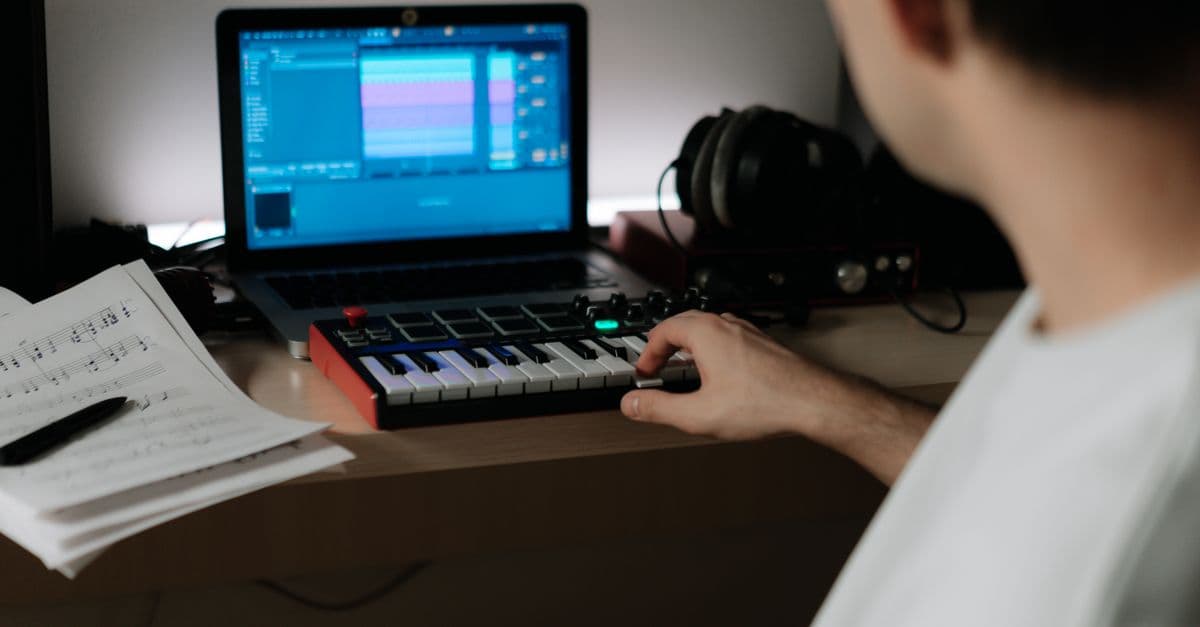
You can evaluate sync opportunities, navigate multi-stakeholder clearance requirements, and anticipate licensing negotiation friction points before they derail your campaign. This skill helps you compare licensing costs across similar tracks, determine required clearances (sync, master, mechanical, broadcast), and build contingency plans when preferred tracks face licensing obstacles—saving time and budget across domestic and international campaigns.
You can develop data-driven career roadmaps for pop artists by analyzing their competitive landscape, streaming potential, radio viability, and audience demographics. The skill synthesizes market dynamics, DSP algorithm requirements, and budget constraints into actionable quarterly milestones that maximize breakthrough probability while preserving artistic direction.

You can transform production notes, music logs, and session data into formatted, legally compliant cue sheets that meet ASCAP, BMI, SESAC, and international broadcasting standards. The skill extracts composer, publisher, usage type, duration, and performer metadata—automatically validating licensing conflicts and flagging missing information—so you deliver error-free submissions to networks and performing rights organizations within tight post-production windows.
You assess unsigned rock artists using a standardized framework that evaluates musicianship and production quality, commercial viability, market positioning, fanbase trajectory, and career readiness. The skill generates detailed evaluation reports with specific scoring, development recommendations, and investment justifications that you can share with label stakeholders and investment committees—replacing subjective gut reactions with data-driven decision-making.

You can systematically research synchronization and master use rights for every track in your production, identify all relevant rights holders (publishers, songwriters, recording artists), estimate licensing costs against your budget, prepare accurate cue sheets with timing and usage details, organize licensing agreements and delivery documentation, and track clearance status across multiple cues and territories. This skill eliminates manual spreadsheet management and ensures no licensing obligations slip through production timelines.

You can rapidly assess hip-hop artists using a structured framework that evaluates commercial viability, authentic voice and cultural positioning, production quality standards, streaming potential, collaboration fit, and regional-to-national appeal. The framework reduces subjective bias in artist evaluation and provides data-driven justification for A&R signing decisions, helping you identify high-potential talent and determine appropriate development investment levels.

You can verify mechanical, performance, and synchronization rights across multiple jurisdictions before music placement, automatically generate compliant metadata and cue sheets for streaming platforms, and create comprehensive audit trails for royalty tracking and licensing disputes. This skill reduces licensing delays, prevents rights clearance errors, and ensures proper attribution across streaming territories.

You can systematically analyze sync licensing requirements before placement, automatically flag clearance gaps and territorial restrictions, and generate audit-ready compliance documentation. The skill maps mechanical royalty obligations to specific territories and platforms, tracks rights holder status across PROs and direct deals, and identifies cost implications of high-risk placements—enabling you to confidently place music while maintaining full legal documentation.