

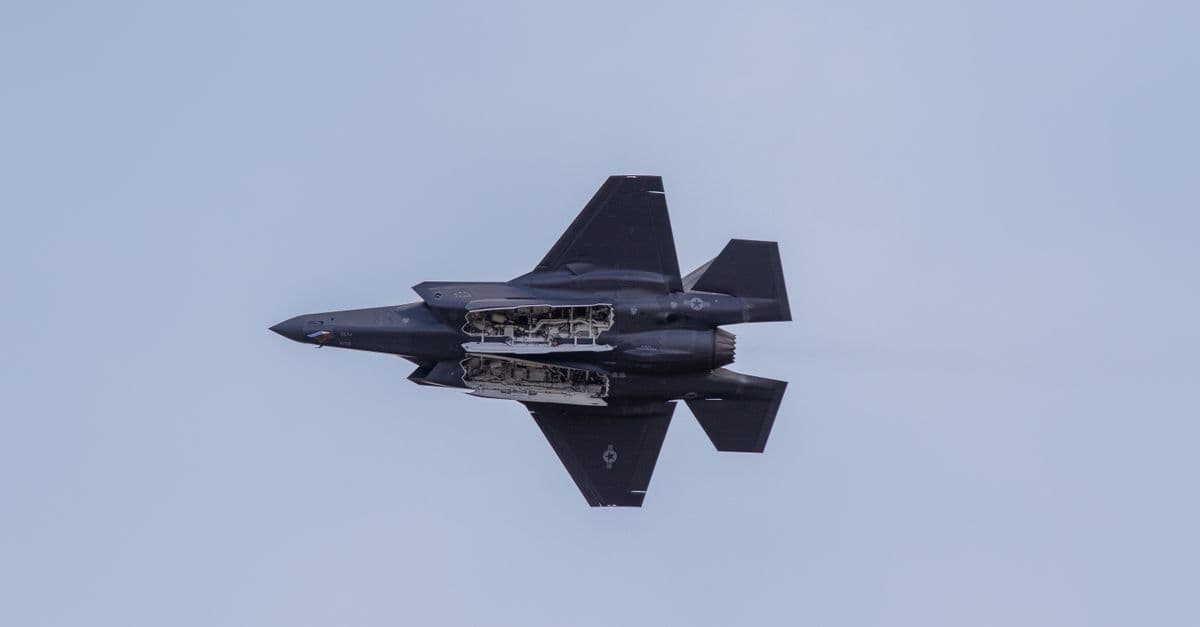
Military Capability Assessment Framework
Analyze military capabilities across operational domains using intelligence assessment methodology
What You Can Do
You can conduct comprehensive military capability assessments that move beyond equipment inventories to evaluate how platforms integrate into operational concepts, identify doctrine gaps, assess logistics constraints, and translate technological advantages into actual battlefield effectiveness. This framework enables you to compare peer and near-peer competitors across multiple operational domains and produce defensible analysis suitable for senior leadership briefings and strategic planning documents.
Features
systematically evaluate air, maritime, land, cyber, and space capabilities across competitors
analyze force structure, doctrine, training, and personnel factors affecting actual performance
identify sustainment limitations, supply chain vulnerabilities, and deployment range constraints
evaluate how operational concepts and doctrinal employment affect system effectiveness
pinpoint capability gaps in friendly forces and competitive advantages in adversary capabilities
structure findings for senior leadership with key judgments, evidence, and confidence levels
standardized methodology for comparing military balance across multiple adversaries
assess how acquisition decisions affect overall capability portfolios and readiness
Example Output
Capability Assessment Output Example 1: Theater Air Defense Comparison
- Russia Surface-to-Air System (S-400): Range 400km, simultaneous engagements 36 targets, but sustainment limited to 15 days without resupply in forward deployment; logistics tail requires 8 support vehicles per battery
- NATO Comparable System (THAAD): Range 240km, simultaneous engagements 6 targets, sustained operations 45+ days with distributed logistics network
- Key Finding: Russian advantage in range offset by logistics vulnerability and lower availability in extended operations
Capability Assessment Output Example 2: Naval Strike Capability Matrix
| Domain | Metric | China | Russia | NATO-Average |
|---|---|---|---|---|
| Range | Anti-ship missile range (km) | 1,500 | 800 | 600 |
| Sustainment | Days at station (no resupply) | 12 | 8 | 35 |
| Integration | Real-time targeting network | Partial | Limited | Robust |
| Doctrine Gap | Carrier operations in contested airspace | No doctrine | Limited doctrine | Established doctrine |
Capability Assessment Output Example 3: Force Readiness Brief for Senior Leadership
- Overall Assessment: Adversary maintains quantitative advantage in area denial systems but faces critical sustainment gaps in extended operations beyond 300km from home bases
- Key Judgments: (High Confidence) Logistics constraints limit effective employment duration; (Medium Confidence) Recent doctrine changes suggest recognition of sustainability challenges
- Strategic Implications: Window exists for asymmetric advantage through targeting logistics nodes and extending operations beyond adversary sustainment capability
What's Included
- SKILL.md instruction file: the core framework methodology and assessment structure
- Multi-domain assessment template: structured worksheet for evaluating air, maritime, land, cyber, and space capabilities
- Peer-competitor comparison matrix: standardized format for side-by-side capability analysis across multiple adversaries
- Logistics and sustainment checklist: detailed factors for assessing operational range, resupply requirements, and vulnerability
- Senior leadership brief template: structured format with key judgments, confidence levels, and strategic implications sections
- Doctrine-capability integration worksheet: framework for linking operational concepts to actual system performance
Who It's For
- Defense analysts and military strategists conducting force structure and capability assessments
- Intelligence professionals supporting strategic planning and competitive analysis
- Military acquisition and modernization planners evaluating force development priorities
- Senior military leaders and defense policymakers briefing on strategic military balance
- Strategic think tank researchers analyzing peer and near-peer competitor capabilities
Best For
- Comparative military capability analysis across multiple countries or service branches
- Operational readiness assessments of specific weapon systems or military formations
- Force modernization and acquisition decision support
- Strategic briefing preparation for senior leadership on competitive balance
- Capability gap identification and strategic planning for contingency scenarios
You might also like

You can organize multiple active reinvestigation cases simultaneously, tracking investigative progress against DoD periodic review (PR) and continuous evaluation timelines. The skill helps you build complete case chronologies from scattered interview notes and financial records, flag investigative gaps before Quality Review, and ensure submissions meet all compliance requirements. You'll submit investigation-ready files that prevent recycles and accelerate clearance renewal decisions.
 by 45ck
You can structure complete polygraph examination workflows that comply with federal guidelines (DoD 5220.22-M) and psychophysiological detection of deception (PDD) best practices. This skill helps you develop scientifically-sound question series, conduct standardized pre-test interviews to establish baseline behavior, identify relevant security issues from investigative reports, and create examination plans that withstand legal and peer review scrutiny.
by 45ck
You can create optimized maintenance schedules that account for equipment condition, parts availability, technician capacity constraints, and operational priorities. Claude helps you analyze maintenance backlogs, identify critical path delays, forecast depot capacity utilization, and model trade-offs between preventive maintenance intensity and corrective workload—enabling you to keep critical assets ready while controlling lifecycle costs.
by 45ck
Stop guessing what resonates and start engineering content that spreads. Claude analyzes viral patterns, emotional triggers, and platform algorithms to generate posts, videos, and campaigns designed for maximum organic reach. You'll create data-driven content that competitors can't replicate, backed by psychology and real engagement metrics.
by 45ck
You can rapidly develop standardized polygraph examination protocols that maintain examiner objectivity and comply with DoD security clearance investigation requirements. This skill helps you formulate control and relevant question matrices, structure physiological response analysis frameworks, and generate post-examination reports that withstand legal and administrative challenge while reducing bias and procedural inconsistencies across your examination team.
by 45ck
You can structure the reinvestigation case assessment process to identify material changes from prior investigations, flag risk indicators requiring investigative focus, and prioritize investigation activities aligned with NACI competencies and DCSA protocols. The skill guides you through comparative analysis of subject files, materiality determination, and risk scoring methodologies that produce defensible investigation plans compliant with federal security clearance standards.
by 45ck
You can transform raw SIGINT data from multiple collection sources into coherent network maps and finished intelligence assessments. The framework helps you correlate frequency patterns, identify communications nodes, track operational tempo changes, and document confidence levels for your analysis—enabling you to brief leadership with defensible, source-correlated intelligence conclusions.
by 45ck
You'll get a systematic framework for growing newsletter subscribers through audience-aligned content, conversion-focused design, and repeatable growth loops. Claude helps you identify your ideal audience, design signup flows that convert at 15-30%, and build compounding mechanisms that generate subscribers passively. Newsletters using these methods typically 3-5x their growth rate by month three, breaking through plateaus that would normally take a year.
by 45ck