


Win-Any-Argument Debate Prep
Master debate tactics and win arguments through strategic preparation
What You Can Do
You'll transform scattered thoughts into demolishing arguments that persuade audiences and silence objections. Before stepping into any debate, you'll have anticipated counterarguments, identified weak points in opposing positions, and locked in a rhetorical strategy that puts you in control. Whether you're facing hostile audiences, tough negotiations, or public disputes, you'll walk in prepared to win.
Features
Build logically sound, evidence-backed arguments structured to persuade. Organize claims, evidence, warrants, and rebuttals in a format that's impossible to dismantle.
Automatically generate 10+ objections your opponent will raise, ranked by likelihood. Never be caught flat-footed by an unexpected challenge.
Spot weak points in your opponent's logic before they weaponize them. Identify Ad Hominem, Straw Man, Slippery Slope, and 15+ other common fallacies.
Choose the optimal persuasion technique for your audience and goal. From Ethos/Pathos/Logos to narrative storytelling, get the winning playbook for each situation.
Follow proven debate formats for opening statements, rebuttal sequences, and closing arguments. Structural advantage = winning advantage.
Get systematic guidance on finding, vetting, and weaponizing evidence. Know exactly which sources to cite and how to present them for maximum impact.
Practice under realistic conditions with prepared opponent responses. Build mental resilience and refine your delivery in controlled conditions before the real match.
Example Output
Debate Structure for Policy Argument:
- Opening (90 seconds) - Define terms, establish framework, preview case
- Constructive Speech (8 min) - Present advantages and evidence
- Rebuttal Round - Address opponent's strongest point first
- Cross-Examination (3 min) - Question opponent's claim vulnerabilities
- Closing - Crystallize winning arguments, pre-empt final objections
Counterargument Matrix (Your Stance: "Remote Work Increases Productivity"):
| Likely Objection | Your Counter | Supporting Evidence |
|---|---|---|
| "Isolation kills creativity" | Async collaboration tools enable ideation without proximity | Stanford study: brainstorming effectiveness unchanged in remote teams |
| "Managers can't assess performance" | Output metrics replace presence metrics | 40% of remote employees receive promotions vs 32% in-office |
| "Security and data risks" | VPN + zero-trust architecture > open office | 85% of breaches involve insider access, not remote access |
Rhetorical Strategy Playbook:
For hostile audiences: Lead with Logos (data first), then Ethos (credibility), avoid Pathos until closing. Cite neutral third parties, not partisan sources.
What's Included
- Argument Construction Framework: Step-by-step system for building claims that hold up under pressure, with templates for premise-evidence-warrant-impact chains.
- Counterargument Anticipation Workbook: Prompts to surface 10+ objections ranked by likelihood, plus pre-written responses for each threat.
- Logical Fallacy Reference Library: 20+ fallacies explained with real-world debate examples and how to identify and counter each type.
- Rhetorical Techniques Playbook: Ethos, Pathos, Logos, Narrative, Rhetorical Questions, Parallelism, and more with guidance on audience selection for each.
- Debate Structure Templates: Proven formats for parliamentary, policy, public forum, and impromptu debates with timing guides for each phase.
- Pre-Debate Preparation Checklist: Final verification system to ensure arguments are sound, evidence is cited, counterarguments are ready, and delivery is rehearsed.
Who It's For
- Debate team members and coaches
- Lawyers preparing for trial or oral argument
- Business executives facing tough negotiations or hostile board meetings
- Politicians and campaign organizers
- Journalists and media professionals
Best For
- Preparing for high-stakes debates with limited time
- Negotiating major business deals where losing is costly
- Defending your position against organized opposition
- Building persuasive cases for sales pitches, interviews, or presentations
- Anticipating and neutralizing counterarguments before they're raised
You might also like
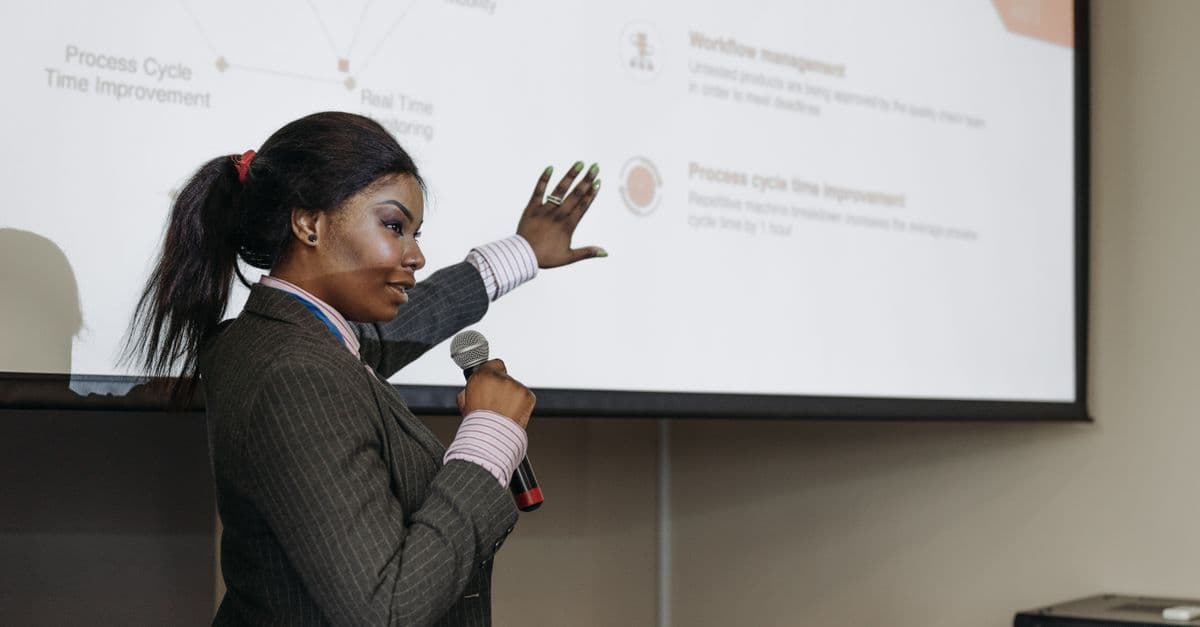
Transform your public speaking from mediocre to magnetic. You'll get AI-coached speeches tailored to your exact audience, complete with opening hooks that grab attention, powerful story arcs, and delivery tips that make you sound like a pro. Whether it's a wedding toast, board presentation, or TEDx talk, you'll deliver with confidence and leave people inspired.

Transform your frustration into a formal complaint letter that forces companies to take action. Using psychology-backed persuasion tactics, strategic positioning, and escalation frameworks, you'll craft letters that convert inaction into resolution. Get what you deserve instead of getting ignored.
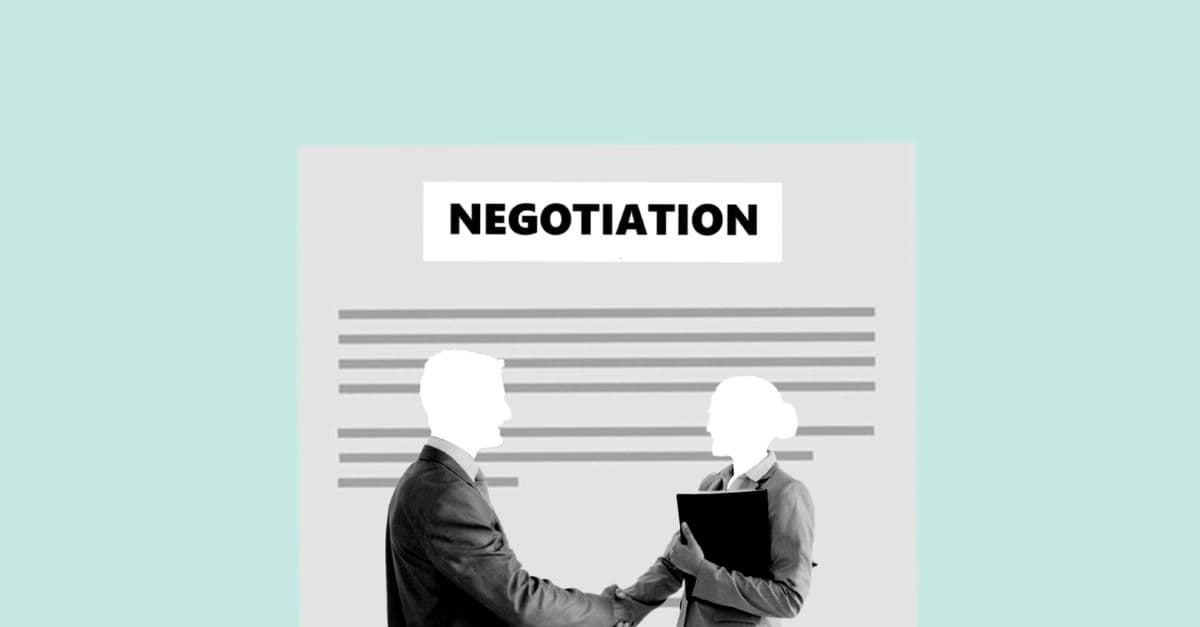
You'll walk into any negotiation with proven scripts, decision frameworks, and tactical responses that put you in control. Whether you're negotiating salary, vendor pricing, contracts, or conflicts, you'll have a step-by-step system to secure better outcomes and avoid costly mistakes. Get stronger terms, defend your position confidently, and turn objections into opportunities.
Create production-ready mobile app designs by describing what you want in plain language. Use chat-based requests to design screens, iterate with follow-up messages, and export code implementations for HTML, React Native, and SwiftUI. Features include live design preview in the Sleek editor, component screenshot generation, and built-in design references to seed your visual style.

Stop dreading hard conversations and start approaching them with complete confidence. This skill generates customized, psychologically sound scripts tailored to your specific situation, stakeholder dynamics, and desired outcomes. You'll learn exactly what to say, when to say it, and how to handle every response, turning potential conflict into breakthrough moments.