


Color Trend Forecasting & Analysis
Analyze emerging color trends to generate data-backed seasonal palettes
What You Can Do
You can rapidly identify emerging color trends by processing competitive intelligence, social media sentiment, runway analysis, and cultural indicators into structured forecasts. Claude helps you validate pattern strength across multiple data sources and build defensible color recommendations backed by cultural movements, consumer psychology, and market performance—enabling you to justify palette choices to executives and design teams with 6-18 month lead time.
Features
Extract emerging color signals from art movements, street fashion, sustainability trends, and geopolitical events
Analyze color strategies across brands and price tiers to identify white space and differentiation opportunities
Identify niche color preferences by generation, market segment, and geographic region
Connect historical sales data to color adoption patterns and validate forecast assumptions
Generate cohesive color families with hex codes, mood narratives, and product application recommendations
Synthesize multiple data sources to build confidence scoring for predicted color movements
Create executive-ready trend reports with competitive context, consumer psychology insights, and merchandising implications
Monitor social media, fashion blogs, and online communities for early-stage color preference shifts
Example Output
Spring/Summer 2026 Trend Report — 'Adaptive Naturalism'
Primary Palette:
- Sage Green (hex: #9CAF88) — Authority in wellness, sustainability signal
- Warm Clay (hex: #C4956B) — Nostalgia + craftsmanship narrative
- Dusty Lavender (hex: #B4A8D4) — Gen Z premium positioning
Competitive Gap: 73% of luxury brands committed to earth tones; only 12% explored desaturated jewel tones in RTW.
Demand Signals: Pinterest saves for 'earthy minimalism' +240% YoY; TikTok color psychology content generating 2.1B impressions; Pantone Fashion Color Report aligned 60%.
Risk Factors: Oversaturation in neutrals by Season 2; recommend 40% of palette in unexpected jewel accents for differentiation.
What's Included
- SKILL.md instruction file with framework and prompting guidelines:
- Trend Research Template: structured worksheet for compiling cultural signals, retail data, and demographic insights
- Seasonal Palette Worksheet: hex code specification, mood narrative, and product application guide
- Competitive Analysis Matrix: brand comparison grid across color strategy, price tier, and target demographic
- Forecast Validation Checklist: confidence scoring rubric for trend strength across 8+ signal categories
Who It's For
- Color Forecasters & Trend Strategists — developing predictive seasonal palettes for apparel and accessories brands
- Fashion Designers & Creative Directors — validating intuition against data before committing to color development
- Merchandisers & Product Managers — justifying color assortment decisions to stakeholders with trend evidence
- Brand Strategists — aligning color positioning with broader brand narrative and competitive landscape
- Retail Analysts — correlating color adoption trends with sales performance and inventory planning
Best For
- Seasonal palette development with 6-18 month lead time
- Competitor color strategy analysis across price tiers and global markets
- Justifying color recommendations to merchandising, product, and executive teams
- Tracking macro shifts in consumer color preference and demographic niche trends
- Building predictive trend reports with cultural context and market validation
- Regional color variation analysis (Asia vs. North America performance differences)
You might also like

You can transform disparate consumer signals—purchase behavior, social engagement, demographic shifts, and psychological motivations—into coherent trend narratives with actionable forecasting insights. This skill focuses on the why behind behavior rather than surface aesthetics, helping you identify inflection points where consumer preferences are shifting, validate collection strategy against actual psychology, and build predictive consumer profiles for 6-18 month forecasting horizons.
 by er1chu
You'll systematically measure and communicate the tangible impact of circular fashion programs using evidence-based frameworks rather than vague sustainability claims. This skill combines lifecycle assessment (LCA) principles, material flow analysis (MFA), and financial impact modeling to help you demonstrate concrete outcomes—water savings, carbon avoidance, extended product lifespan, waste diversion rates, and job creation—tailored to specific stakeholder audiences from C-suite executives to consumers.
by er1chu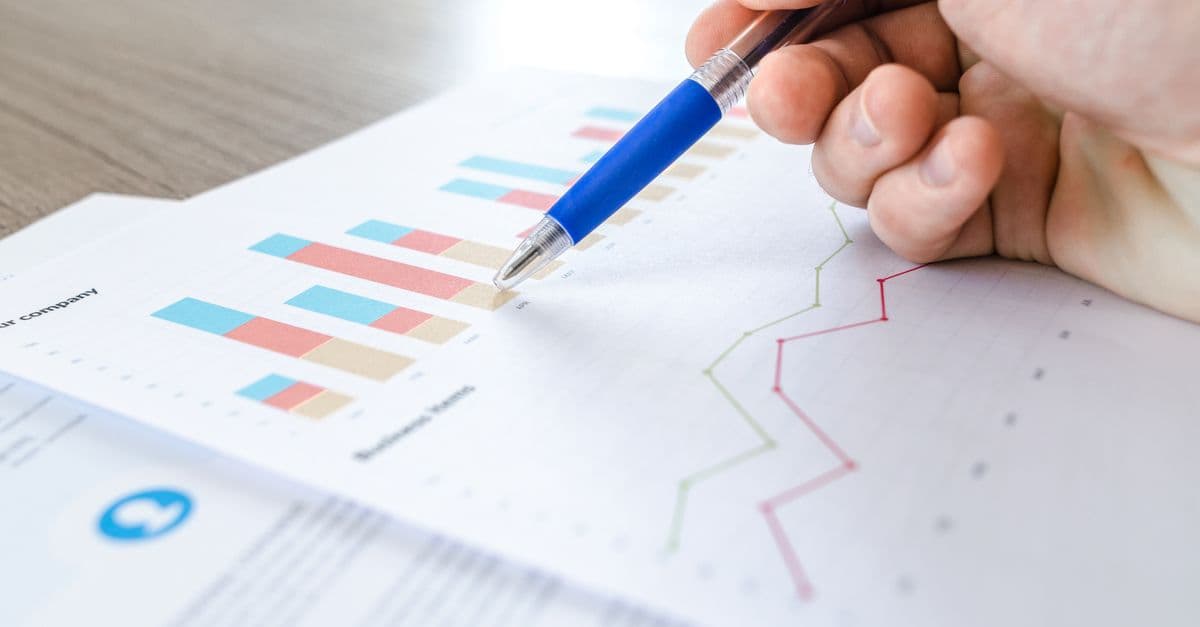
You can rapidly transform complex environmental and social data into polished, multi-format sustainability reports that quantify impact, align with frameworks like GRI and SASB, and address diverse stakeholder concerns. The skill synthesizes data from multiple sources—carbon accounting, water tracking, labor audits, waste management—into cohesive narratives that comply with emerging regulations like the EU Digital Product Passport and UK Environment Act, reducing traditional 6-8 week compilation timelines to 3-4 days.
by er1chu
This skill systematically searches your vault and Slack across specified time ranges to identify decisions using natural language patterns. It extracts decision context—including rationale, participants, dates, and sources—then matches decisions to projects and identifies gaps in your Decision Logs. You get a curated list of decisions that should be documented, reducing the risk of losing critical project decisions in the noise of daily communications.
by er1chu
This skill stress-tests your pitch narrative by analyzing story structure, identifying investor objections before they arise, and ensuring your message stays coherent across all deck sections. You'll get targeted feedback on narrative strength, compelling counterarguments to anticipated concerns, and audience-specific messaging variants that resonate with different investor profiles.
by er1chu
You'll transform raw consumer research, social listening, and feedback into actionable trend intelligence by decoding what consumers are actually thinking, feeling, and planning to do. This skill creates a standardized framework for interpreting sentiment data that reveals behavioral intention, emotional drivers, and adoption velocity—enabling you to spot emerging opportunities and category momentum shifts before they're visible to competitors.
by er1chu
You can conduct comprehensive audits of fashion supply chains through a circular economy lens, moving beyond linear "take-make-dispose" models. This skill guides you through material flow analysis, infrastructure assessment, producer responsibility verification, and certification compliance—helping you identify whether suppliers genuinely support circular models or are greenwashing. You'll uncover financial viability barriers, benchmark circular maturity against competitors, and generate actionable audit reports for sustainability improvements.
by er1chu
You can design hypothesis-driven A/B tests and multivariate experiments from scratch, complete with control group setup and success metric definition. Claude analyzes experimental results using statistical methods to determine significance, confidence levels, and effect sizes. You generate data-driven growth roadmaps and prioritize initiatives based on experiment learnings and metric correlations.
by er1chu