


EV Charging Load Profile Analyzer
Forecast EV charging peak loads and optimize grid capacity plans
What You Can Do
Transform raw charging data and market projections into actionable infrastructure capacity plans that balance capital expenditure with grid stability. You'll characterize load profiles by time and location, forecast peak demand periods that drive infrastructure requirements, and generate optimization recommendations for transformer sizing, feeder capacity, and DCFC unit mix based on duty cycles and growth scenarios.
Features
Analyze when, where, and how much power will be demanded across charging networks
Predict constrained periods and grid impact during high-utilization events
Right-size transformers, feeders, and DCFC units based on duty cycles and growth projections
Forecast utilization pattern shifts and revenue impacts from dynamic pricing strategies
Generate grid impact studies and infrastructure upgrade requirements for regulatory filings
Model network behavior during grid constraints and peak shaving events
Calculate transformer upgrade timelines and ROI for phased capacity expansion
Example Output
Example 1: Corridor Capacity Plan
Input: 50-station charging corridor with 30% DCFC/Level 2 mix, 3-year growth forecast
Output:
- Peak demand profile: 4.2 MW during 6-8 PM weekdays, 2.1 MW off-peak
- Transformer requirement: 5 MVA with N+1 redundancy (two 2.5 MVA units)
- Feeder sizing: 350 kcmil copper, underground conduit
- Year 1-3 phasing: 15 stations per phase, upgrade timeline by year
- Cost estimate: $2.1M infrastructure, $340K/year operating
Example 2: Demand Response Modeling
Input: Fleet depot with 200 vehicles, 2-hour charging window, grid peak avoidance contract
Output:
- Baseline demand: 8 MW continuous charging
- Peak shaving scenario: Stagger charging to 6 MW max, extend window to 4 hours
- Revenue impact: $85K annual demand response payments vs. $120K added OpEx
- Grid stability: Reduces local substation load by 25% during peak hours
What's Included
- SKILL.md instruction file with core workflow and use case guidelines:
- Load Profile Template: Spreadsheet framework for characterizing charging behavior by time-of-day, day-of-week, and season
- Peak Demand Forecast Checklist: Step-by-step guidance for data collection, statistical analysis, and scenario modeling
- Capacity Planning Worksheet: Infrastructure sizing calculations for transformers, feeders, and DCFC units with cost estimation
- Demand Response Scenario Playbook: Pre-built templates for modeling TOU pricing, grid constraints, and peak shaving strategies
Who It's For
- EV charging infrastructure engineers designing networks and capacity expansions
- Utility interconnection managers preparing grid impact studies and regulatory filings
- Fleet operators and depot managers optimizing charging infrastructure for vehicle fleets
- Charging network operators forecasting capex requirements and phasing expansion plans
- Energy consultants advising municipalities and private operators on infrastructure strategy
Best For
- Designing new charging corridors or depot facilities with utility coordination
- Evaluating existing grid capacity for charging expansion projects
- Forecasting infrastructure requirements for 3-5 year growth scenarios
- Optimizing Level 2 vs. DCFC station mix for specific locations and use cases
- Modeling revenue and cost impacts of time-of-use pricing on utilization patterns
- Calculating transformer upgrade timelines and phased capex requirements
You might also like
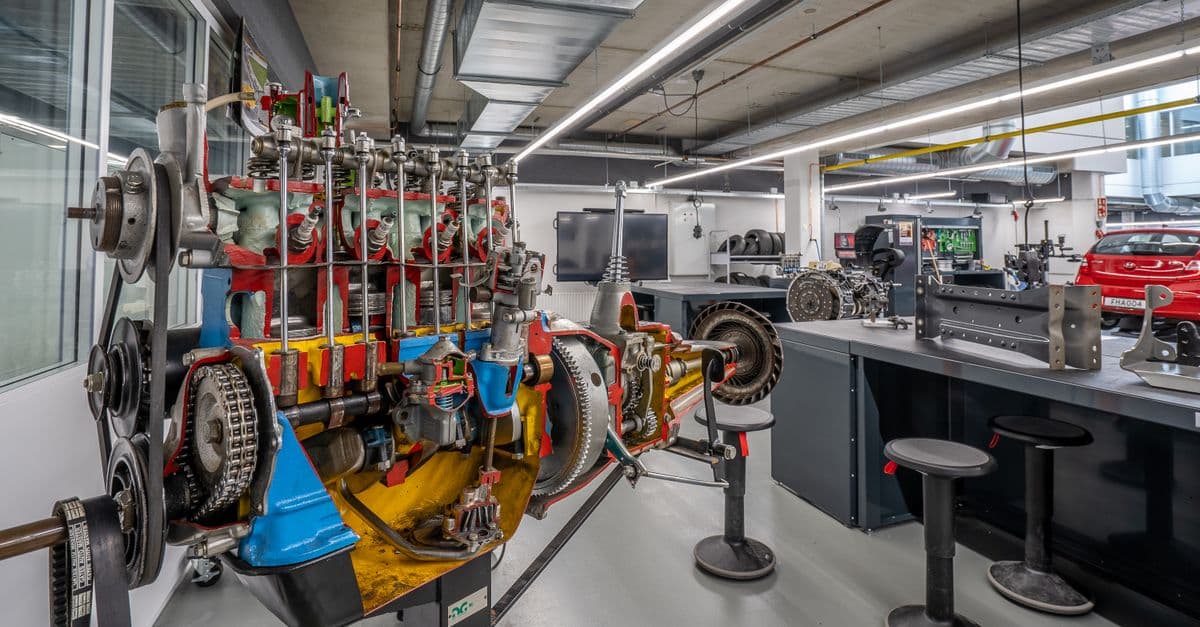
This skill helps you systematically analyze suspension systems, structural loads, and dynamic behavior before running expensive simulations. You can translate performance requirements into actionable suspension geometry targets, predict stress concentration points and load paths, diagnose NVH failures using structured failure mode analysis, and validate damping strategies against durability constraints. It accelerates the planning phase, interprets simulation results, and builds defensible engineering rationale for design decisions.
 by openclaw
You can systematically validate LiDAR-camera fusion pipelines by analyzing sensor registration, detecting failure modes across object classes and ranges, and diagnosing misalignment issues. This skill provides structured methodologies to verify fusion outputs meet safety-critical accuracy thresholds before validation testing, catching issues like dropped detections, false positives at scene boundaries, and temporal coherence failures that are common sources of AV system failures.
by openclaw
You can submit survey designs, sampling strategies, and analysis plans for expert methodological review. Claude evaluates your approach against statistical best practices, identifies potential biases, verifies compliance with government standards, and recommends improvements to ensure your survey produces reliable, defensible results.
by openclaw
You can perform comprehensive pre-flight validation of vehicle dynamics simulation models, catching ~80% of common configuration errors before execution. The skill analyzes solver configurations, parameter interdependencies, FMU interface specifications, and physical constraints to identify mismatches that typically surface mid-run or produce silent failures. This reduces compute waste, prevents misleading results, and accelerates your simulation workflow by flagging issues in 15-20 minutes of structured validation.
by openclaw
Upload manufacturing process data and Claude will generate control charts, calculate process capability indices (Cp, Cpk, Pp, Ppk), detect special causes using Western Electric rules, and recommend statistical interventions for improvement. You'll receive actionable insights on whether your process is in statistical control and what corrective actions to prioritize.
by openclaw
Submit your statistical protocol, analysis plan, or biostatistical methodology, and receive a comprehensive peer review covering analytical validity, regulatory compliance, and methodological soundness. You'll get specific recommendations to strengthen your protocol before submission to regulatory authorities or implementation in your trial.
by openclaw
This skill helps you generate comprehensive methodology documentation for government statistical reports that meets federal compliance standards. You can automatically create detailed statistical methodology sections, validation frameworks, quality assurance protocols, and audit trails that demonstrate analytical rigor and transparency. Your documentation will align with OMB, GAO, and agency-specific statistical standards while remaining clear to policy audiences.
by openclaw
You can leverage this skill to automatically draft comprehensive Statistical Analysis Plans (SAPs) for clinical trials that meet ICH-E9 and FDA regulatory standards. The skill reviews your trial protocol and generates all required SAP sections, validates statistical methodologies against best practices, identifies completeness gaps, and produces a regulatory-ready assessment before submission.
by openclaw