

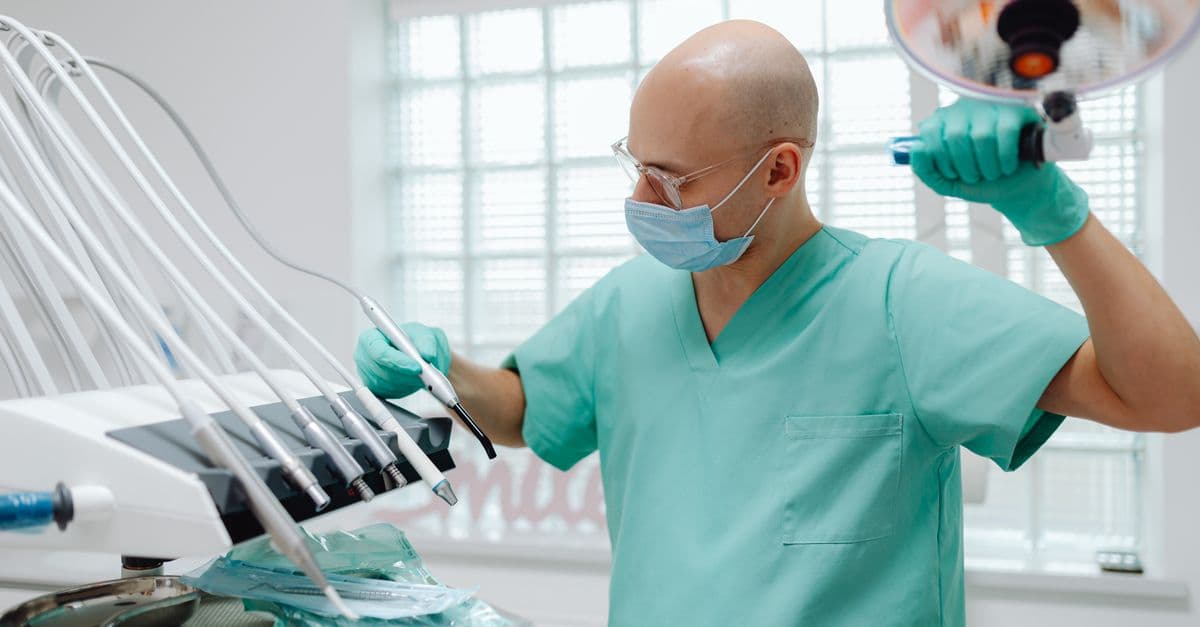
Periodontal Surgical Case Planning & Pre-Operative Assessment
Plan complex periodontal surgery with AI-assisted pre-operative assessment and risk stratification
What You Can Do
You receive structured pre-operative assessments that synthesize radiographic findings, patient factors, and clinical parameters into actionable surgical plans. Claude helps you stratify case complexity, predict anatomical and patient-related complications, and select optimal graft materials, membrane types, and augmentation techniques—reducing intraoperative surprises and improving surgical predictability.
Features
classifies osseous defects by anatomy (crater, horizontal, vertical) and recommends graft material type, volume, and placement technique
evaluates vertical and horizontal bone augmentation requirements and sequences grafting before implant placement
matches membrane type, suture protocol, and healing timeline to defect classification and patient healing capacity
ranks cases on difficulty spectrum to identify those suitable for minimally invasive approach vs. traditional flap design vs. specialist referral
flags smoking history, diabetes, medications, age, bone density, and anatomical constraints that require modified surgical approach
anticipates nerve proximity, sinus elevation challenges, graft failure risks, and infection potential based on case parameters
systematically evaluates osseous regeneration vs. GTR vs. implant site development for the same defect with outcome probability estimates
generates written step-by-step surgical plans and staff briefing documents for team alignment before complex cases
Example Output
Example 1: Bone Grafting Case
Defect Classification: Vertical 2-wall osseous defect, maxillary anterior (tooth #8)
Recommended Approach:
- Graft Material: Demineralized bone matrix (DBM) + particulate allograft (80/20 ratio)
- Volume: 0.75 mL based on defect dimensions
- Technique: Open flap debridement with primary closure
- GTR: Resorbable collagen membrane, suture technique XYZ
- Healing Timeline: 6-month follow-up CBCT
- Risk Factors: None identified. Low complexity case.
Example 2: Implant Site Development
Ridge Assessment: Horizontal deficiency (4mm), adequate vertical dimension
Augmentation Plan:
- Phase 1: Horizontal ridge augmentation with block graft (allograft) + particulate
- Hold Time: 4-6 months (CBCT assessment at 4 months)
- Phase 2: Implant placement prosthetically positioned
- Risk Flags: Patient is moderate smoker (2 PPD). Recommend smoking cessation consult and consider extended healing timeline to 6 months.
Example 3: Complexity Stratification
Case A (Low): Shallow crater, no anatomical constraints → minimally invasive flap Case B (Moderate): 2-wall with proximity to mental nerve → traditional flap, surgical navigation recommended Case C (High): Multi-wall with sinus floor elevation requirement → refer to specialist or co-treat
What's Included
- SKILL.md: Complete skill instruction and framework
- Pre-Operative Assessment Checklist: Structured data collection template for radiographic findings, patient factors, and clinical parameters
- Defect Classification & Graft Selection Matrix: Decision tree for matching defect morphology to graft material and technique
- Surgical Complexity Scoring Tool: Case grading rubric (low/moderate/high) based on anatomical and patient risk factors
- Complication Risk Stratification Framework: Checklist of anatomical and systemic factors predicting adverse outcomes
- GTR Technique Selection Guide: Membrane type, suture pattern, and healing timeline based on defect class
- Surgical Protocol Template: Step-by-step operative plan format for team briefing and documentation
Who It's For
- Periodontists — planning complex bone grafting and implant site development cases with confidence
- Oral surgeons — systematizing pre-operative assessment for regenerative and augmentation procedures
- Dental practice managers — documenting surgical protocols and standardizing team preparation for high-complexity cases
- Periodontal residents — learning structured surgical case analysis and decision-making frameworks
- General dentists with surgical interests — evaluating patient suitability and treatment options before specialist referral
Best For
- Bone grafting case selection and graft material/volume determination
- Implant site development planning with vertical and horizontal augmentation assessment
- Guided tissue regeneration case matching and protocol selection
- Surgical complexity stratification and difficulty grading
- Pre-operative risk assessment and complication prediction
- Treatment option comparison for multi-defect cases
- Surgical team briefing and protocol documentation
You might also like
You can systematically develop phase-by-phase orthodontic treatment protocols that synthesize diagnostic data, patient anatomy, and mechanical principles. This skill generates detailed appliance selection recommendations, extraction vs. non-extraction analyses, wire progression sequences, and clinical milestones to guide efficient execution from initial placement through retention for complex malocclusions requiring three-dimensional control.
 by comeonoliver
You can input detailed case information—including patient history, radiographic findings, clinical examination results, and anatomical considerations—and receive a comprehensive treatment analysis. The skill generates structured case summaries, identifies critical diagnostic elements, evaluates treatment options (conventional endodontic, surgical, or extraction), and produces documentation-ready prognosis assessments that support clinical decision-making and patient communication.
by comeonoliver
Stop bleeding money on forgotten subscriptions and negotiable expenses. This skill systematically dissects your spending, exposes hidden patterns you've overlooked, and generates a prioritized action plan that typically uncovers $2,000-$8,000+ in annual savings. You'll get specific negotiation templates, insider tips for lowering bills, and a complete expense audit that tells you exactly where your money is really going.
by comeonoliver
You can generate complete treatment plans for traditional fixed appliance cases by integrating diagnostic data, skeletal/dental analysis, and biomechanical principles. Claude helps you structure extraction vs. non-extraction decisions, design anchorage control strategies, sequence mechanics systematically, and create patient-facing narratives that explain your clinical rationale. This skill is designed for moderate-to-complex cases where defensible clinical reasoning and treatment efficiency optimization are critical.
by comeonoliver
You can comprehensively analyze failed root canal cases to pinpoint why initial treatment didn't succeed—whether due to technical errors, anatomical challenges, or biological factors. Claude helps you develop systematic retreatment protocols, document clinical decision-making for peer review and medicolegal protection, and create patient-facing explanations of treatment failure mechanisms.
by comeonoliver
You can create defensible, specialty-compliant surgical treatment plans that transform diagnostic data into step-by-step operative protocols. The skill structures complex multi-tooth cases, identifies procedural risks before incision, optimizes flap design decisions for specific anatomical presentations, and generates patient-ready communication summaries alongside surgical checklists—compressing planning time from 45+ minutes to 10-15 minutes while improving clinical decision quality.
 by restuhaqza
You systematically develop comprehensive denture case plans by analyzing patient presentation data, classifying denture types, sequencing treatment phases, and generating detailed fabrication specifications. The skill guides you through material selection, esthetic requirement documentation, and clinical intent capture—producing standardized documentation that ensures your laboratory partner understands your clinical vision and reduces remake cycles.
by comeonoliver
You can systematically evaluate patients with severe skeletal discrepancies and develop coordinated surgical treatment plans that integrate cephalometric analysis, surgical movement simulation, and patient communication strategies. This skill structures the entire pre-operative planning process—from baseline skeletal assessment through surgical consultation readiness—ensuring precise documentation and clear coordination with maxillofacial surgery partners.
by comeonoliver