

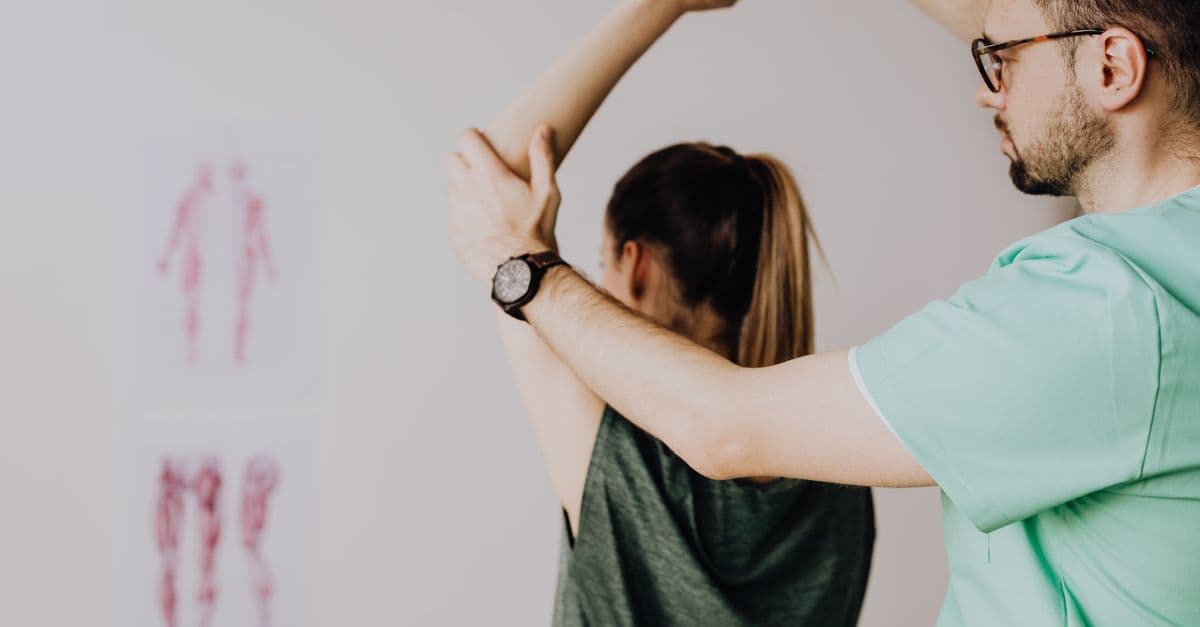
Exercise Program Generator
Generate evidence-based exercise programs with progressions and HEP handouts in minutes
What You Can Do
You input clinical assessment data—diagnosis, functional limitations, contraindications, and goals—and Claude generates comprehensive exercise programs with step-by-step instructions, loading progressions, regression options, safety precautions, and patient-friendly HEP handouts. This skill ensures clinical consistency across your caseload while dramatically reducing documentation time for common conditions like ankle sprains, rotator cuff pathology, knee osteoarthritis, and low back pain.
Features
Claude recommends exercises based on diagnosis, mechanism of injury, and functional goals with clinical justification
Automatic progression parameters including reps, sets, resistance, duration, and ROM advancement based on tissue healing phases
Multiple exercise variations for different pain levels, strength capabilities, and equipment availability (home vs. clinic)
Automated red flags, movement precautions, and symptom monitoring criteria specific to the diagnosis
Professionally formatted home exercise program documentation with illustrations cues, frequency/duration, and activity pacing guidelines
Staged progressions for return-to-work and return-to-sport with objective criteria for advancement
Patient-friendly explanations of the condition, activity modifications, and self-management strategies
Built-in reassessment intervals and progression decision trees to guide program advancement
Example Output
Input: 45-year-old with right rotator cuff strain, limited active ROM (forward flexion 110°), no neural symptoms, office worker, goal: pain-free reaching and computer work.
Output:
Week 1–2: Pain Management & Mobility
- Pendulum circles: 2×15 slow circles, 2× daily
- Supine shoulder flexion (assisted): 2×10 with cane, within pain-free range
- Scapular clock (wall): 2×8 directions, 1× daily
Week 3–4: Active ROM & Gentle Strengthening
- Prone shoulder flexion: 2×12 with 1 lb, progress to bodyweight
- Side-lying external rotation: 2×12 with resistance band (yellow), pain-free only
- Quadruped shoulder taps: 2×10 each side
Week 5–6: Functional Strengthening
- Standing row with band: 3×12 with resistance band (red), controlled 2-second hold
- Modified push-up (wall → incline): 3×8, progress to lower incline
Safety Precautions: Avoid overhead lifting >90° until week 5. Stop immediately if sharp pain occurs. Monitor for increased swelling or night pain—cue clinician if present.
Patient Education: Rotator cuff strains heal in 6–8 weeks with consistent exercise. Posture breaks every 30 minutes reduce symptom flare.
What's Included
- SKILL.md instruction file with clinical decision flowchart:
- Assessment data template: Structured intake form for diagnosis, ROM, strength, contraindications, and patient goals
- Exercise prescription framework: Indexed database of evidence-based exercises organized by joint, movement pattern, and phase of healing
- HEP handout template: Professionally formatted patient-ready format with space for clinician notation, frequency, and duration
- Progression decision tree: Objective criteria for advancing exercises based on reassessment findings (ROM, pain, strength, functional performance)
- Return-to-activity protocol templates: Staged progressions for RTW and RTS with specific benchmarks
Who It's For
- Physical Therapists — Create standardized, evidence-based exercise programs for acute injury, post-op, and chronic pain conditions
- Occupational Therapists — Generate functional activity progressions and ADL modification protocols with patient education
- Athletic Trainers — Develop return-to-sport protocols and injury prevention programs
- Chiropractors and Manual Therapists — Supplement manual treatment with home exercise programs tailored to patient goals
- Clinic managers/Directors — Standardize exercise prescription across clinicians for common conditions to improve quality and efficiency
Best For
- Creating home exercise program (HEP) handouts before patient discharge
- Generating progressive exercise prescriptions for post-operative rehabilitation (ACL, rotator cuff, hip labrum)
- Developing return-to-work and return-to-sport protocols with objective advancement criteria
- Standardizing exercise selection across your clinic for high-volume diagnoses (ankle sprain, knee OA, low back pain)
- Progressing established programs after objective reassessment with updated ROM, strength, and functional data
- Creating patient education materials on condition management, activity pacing, and self-management strategies
You might also like

You can conduct comprehensive, real-time labor progression assessments that integrate cervical findings, descent patterns, uterine contractions, and psychosocial factors into structured clinical evaluations. The skill synthesizes complex obstetric data aligned with ACNM standards and birth center protocols, enabling you to identify prolonged labor or arrest disorders early and make informed decisions about continuing birth center support or recommending transfer before complications develop.
 by gptomics
You can rapidly synthesize complex patient data—comorbidities, functional status, labs, medications—into a comprehensive risk profile and actionable optimization plan. This skill guides you through ASA classification, procedure-specific risk stratification, and patient-centered consent documentation to ensure thorough clinical reasoning and defensible preoperative assessment.
by gptomics
This skill guides you through structured psychiatric case formulation using a biopsychosocial framework. You input patient presentation, assessment data, and clinical history, then receive a comprehensive formulation that integrates symptom synthesis, differential diagnosis reasoning, predisposing/precipitating/perpetuating factors, protective factors, and evidence-based treatment recommendations. The output is suitable for clinical documentation, insurance authorizations, case conferences, and supervision.
by gptomics
You can conduct comprehensive subluxation assessments on pediatric patients by integrating structural examination findings, functional limitations, parental observations, and neurological indicators within a developmental context. Claude helps you correlate specific subluxations to presenting complaints (colic, ear infections, torticollis, scoliosis patterns) and create objective documentation suitable for insurance, medical records, and referral purposes. You'll develop age-appropriate treatment plans that address both the subluxation and the child's unique physiological stage.
by gptomics
You can rapidly organize scattered assessment data (OTPF-4 domains, ADL/IADL observations, standardized test results) into defensible treatment plans that clearly connect functional gaps to specific interventions. This skill helps you document medical necessity for insurers, communicate functional limitations to patients and families in plain language, and design adaptive strategies with documented clinical rationale—reducing documentation time by 40-50% while ensuring compliance across any OT setting.
by gptomics
You can systematically evaluate surgical candidates by analyzing comorbidities, functional status, and lab/imaging results to generate evidence-based risk stratification and optimization plans. The skill helps you identify which patients need specialist input, determine pre-operative timeline feasibility, and communicate risk clearly to patients and surgical teams—reducing perioperative morbidity by targeting modifiable factors before surgery.
by gptomics
You can perform structured sports injury evaluations that incorporate mechanism-of-injury analysis, orthopedic special testing, functional movement screening, and clear referral criteria. The skill helps you differentiate soft tissue restrictions from joint dysfunctions, establish baseline function, and create evidence-based return-to-play milestones tailored to the athlete's sport and position. You'll generate documentation suitable for insurance records, team physician communication, and liability protection.
by gptomics
You can systematically generate ranked differential diagnoses for presenting complaints (chest pain, dyspnea, abdominal pain, headache, joint pain, fatigue) by applying evidence-based clinical decision rules and risk stratification. The skill helps you identify red flags that change management priority, justify test selection to supervising physicians, and document diagnostic reasoning in the medical record while reducing anchoring bias and ensuring comprehensive consideration of serious diagnoses.
by gptomics