


Beauty Industry Trend Forecasting
Forecast beauty trends 12-18 months ahead using social, retail & consumer data
What You Can Do
You can synthesize fragmented trend signals from TikTok, Instagram, retail analytics, and influencer ecosystems to identify high-potential product categories 6-18 months ahead of mainstream adoption. This skill helps you distinguish viral moments from sustainable growth, assess cross-category implications, and build narrative decks that justify sourcing and inventory decisions to buying committees and brand partners.
Features
systematically audit social platforms, retail data, and competitor sourcing to capture early trend indicators across demographics and price tiers
assess whether emerging trends show sustainable growth patterns vs. one-off viral moments using quantifiable velocity metrics
map how trends ripple across related categories (e.g., clean beauty → sustainability, K-beauty → localization) to identify expansion opportunities
structure findings into data-backed forecasts that convince buying committees and brand partners to commit margin and shelf space
evaluate adoption velocity across regions, price tiers, and consumer segments to prioritize sourcing decisions
monitor what competitors are buying and stocking to detect category shifts and validate your forecast timing
clearly articulate when trends hit mainstream so you can source and stage inventory at optimal windows
Example Output
Example 1: Emerging Sub-Category
Trend: Scalp Care as Standalone Category
- Social Signal: 2.3B views #scalphealth on TikTok (up 340% YoY), driven by Gen Z concern about chemical buildup
- Retail Pattern: Unilever acquired Prose (scalp-focused); Olaplex expanded into scalp serums
- Forecast: Scalp treatments move from shampoo add-on to $500M+ category by Q3 2025
- Action: Source alternative scalp serums, ACV rinses, scalp massagers in mid-tier price band
Example 2: Cross-Category Implication
Trend: Barrier Repair → Ingredient Spotlighting
- Signal: Ceramides, squalane, centella asiatica dominate beauty TikTok education content
- Retail: Prestige skincare pivoting from "problem-solving" to "foundation products"
- Forecast: Beauty buyers will stock clinical-grade ingredients at higher margins; SPF bundling with barrier products increases 35%
- Action: Increase allocation to dermatologist-partnered brands; plan Q4 2025 display bundles around SPF + barrier combos
What's Included
- SKILL.md instruction file: complete workflow for signal collection, trend validation, and stakeholder narrative building
- Social Signal Audit Template: platform-by-platform tracking sheet (TikTok, Instagram, YouTube, Reddit) with engagement velocity metrics
- Retail Pattern Monitoring Checklist: how to track competitor assortment shifts, restocking patterns, and price tier movements
- Trend Validation Scorecard: 8-point assessment framework to distinguish viral moments from 12+ month category growth
- Narrative Deck Framework: structure for presenting forecasts to buying committees (signal evidence, cross-category implications, sourcing recommendations, timeline)
Who It's For
- Beauty Industry Buyers — sourcing decisions and category expansion planning
- Beauty Brand Product Managers — identifying emerging sub-categories and consumer demand signals
- Retail Merchandisers — planning inventory allocation and floor space for next seasonal blocks
- Beauty Content Strategists — understanding what trends are gaining sustainable traction vs. viral noise
- Trend Consultants — building data-backed forecasts for beauty brands and retailers
Best For
- Emerging sub-category identification — spotting new product categories (e.g., scalp care, lip stains, barrier repair) 12-18 months before mainstream saturation
- Cross-category impact analysis — understanding how one trend (e.g., clean beauty) ripples across related categories
- Competitor intelligence synthesis — detecting what established brands are sourcing and what that signals about future demand
- Buying committee narratives — building data-backed cases to justify sourcing commitments and shelf space allocation
- Geographic/demographic segmentation — validating which regions and consumer segments drive sustainable adoption vs. isolated viral moments
You might also like

This skill helps you synthesize customer feedback at scale, identify feature patterns, and build data-driven roadmaps that resonate with stakeholders. You'll transform scattered feedback into strategic insights, prioritize features with confidence, and articulate compelling narratives for each roadmap milestone. Use Claude to analyze feedback faster, build prioritization matrices with impact/effort scoring, and generate stakeholder-ready executive summaries—all integrated into your ProductBoard workflows.
 by atopile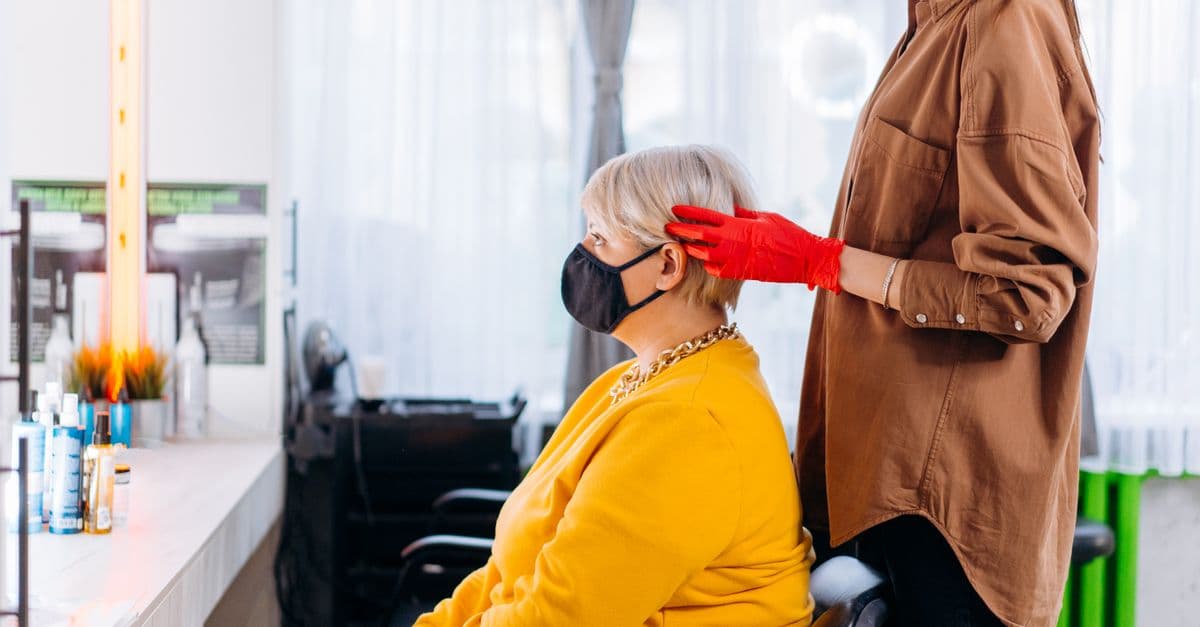
Coordinate pricing, service menus, and product offerings across all locations while accommodating local market variations. Synchronize inventory levels to prevent stockouts at high-performing sites and overstock at slower locations. Generate cross-location staff scheduling recommendations that balance labor costs with service demand. Identify underperforming services or locations through comparative analytics and receive data-driven optimization recommendations.
by atopile
You can analyze historical sales data to identify seasonal trends and slow-moving SKUs, calculate optimal reorder quantities based on shelf space and turnover targets, evaluate vendor reliability and negotiate volume discounts, and model the profit impact of assortment changes. This skill transforms purchasing from guesswork into a systematic, data-backed process that balances margin requirements with inventory turnover.
by atopile
You can input your current salon schedule, staff roster, service menu, and utilization data to identify revenue gaps and inefficiencies. Claude analyzes staggered service durations, chair dependencies, and staff skill matching to recommend optimized schedules that increase per-chair revenue while reducing client wait times and staff idle time. You'll receive actionable scheduling adjustments tailored to your salon's specific services and constraints.
by atopile
You can analyze beauty trend signals across multiple independent data sources—social media, retail analytics, ingredient innovations, and demographic shifts—to distinguish between micro-trends (3-6 month lifecycle) and macro-trends (24+ month runway). The skill helps you quantify trend velocity, identify category expansion opportunities, time market entry windows before trends peak, and assess saturation levels to guide purchasing decisions and inventory investment with confidence.
by atopile
You'll develop standardized operational protocols, staffing models, and performance metrics that apply consistently across all your salon and spa locations without creating inflexibility that damages local client relationships. This skill helps you identify which locations are underperforming, optimize inventory distribution to prevent overstocking or stockouts, create fair staff scheduling that accounts for location-specific demand patterns, and establish pricing and service consistency that reinforces your brand while allowing regional market adjustments.
by atopile
You'll systematically design diversified dividend portfolios optimized for your income goals and risk tolerance. Analyze dividend safety, sustainability, and tax efficiency across hundreds of potential holdings. Get actionable rebalancing recommendations, income projections, and stress-testing insights to ensure your portfolio thrives in any market condition.
by atopile
You'll transform product information into educator-ready curricula that teach beauty professionals foundational chemistry, advanced consultation techniques, objection handling, and client-facing talking points. The skill generates modular training programs tailored to different learning styles and experience levels, enabling you to onboard teams confidently, launch new products rapidly, and build certification-track programs that maintain scientific accuracy and brand alignment.
by atopile