


Draping Silhouette Analysis & Fabric Behavior Prediction
Predict fabric drape patterns and generate pattern specs from muslin samples
What You Can Do
You can systematically model how specific fabrics will drape on different body types and silhouettes, then generate actionable pattern modification specifications grounded in fabric properties like weight, hand, and weave structure. This skill translates physical draping observations into documented, replicable technical requirements that pattern makers and manufacturers can execute—eliminating guesswork and reducing sampling iterations.
Features
Predict how weight, hand, and weave structure affect garment fall and silhouette
Document observed folds, volume distribution, and tension points from muslin samples
Analyze how different body proportions interact with specific fabric types
Generate technical grading and seam placement adjustments tied to fabric properties
Model how the same pattern behaves across lightweight, medium, and heavy fabrications
Create specifications that pattern makers and manufacturers can replicate without re-sampling
Account for how draping requirements shift across different body proportions
Example Output
Example 1: Bias-Cut Slip Dress Analysis
Input: Muslin sample of slip dress cut on 45° bias in cotton, observed draping characteristics
Output:
- Fabric behavior: Bias-cut cotton creates natural bias relaxation; expect 0.5–1" vertical drop per 12" length over first 48 hours
- Silhouette impact: Center-front neckline will deepen by ~0.75" as bias settles; side seams require 0.25" inward adjustment
- Pattern modifications: Shorten CF neckline by 0.75"; add 0.125" to side seam allowances for stability; recommend facing grain perpendicular to bias for neckline
- Production note: Grade neckline drop proportionally across sizes; test in final fabrication before full production
Example 2: Heavyweight Wool Blazer Draping Specs
Input: Muslin in 14 oz. wool twill; observed excess volume at side seams and chest suppression issues
Output:
- Fabric hand & weight impact: 14 oz. twill creates 2.5" of excess circumference in standard blazer; fabric doesn't compress naturally
- Silhouette requirements: Side seams require 0.75" inward adjustment at underarm; chest dart must be deepened by 0.5" to balance volume
- Seam placement: Move side seam 0.375" forward of standard placement to balance shoulder to hip proportion in heavy fabrication
- Grading rule: Increase side seam adjustment by 0.125" for each size up (proportional weight distribution)
- Production sign-off: Confirm all adjustments in final fabric before cutting production patterns
What's Included
- SKILL.md instruction file with draping analysis framework and fabric behavior prediction methodology:
- Muslin Analysis Template: Structured format to document observed draping, fold patterns, and silhouette behavior from samples
- Fabric Properties Reference: Weight/hand/weave classifications and their typical draping effects on common garment types
- Pattern Modification Specification Sheet: Technical format for documenting seam adjustments, dart placements, and grading rules tied to fabric properties
- Draping Documentation Checklist: Step-by-step process for analyzing muslin samples and translating observations into actionable pattern specs
Who It's For
- Pattern makers — Create production-ready specifications from draped samples without re-muslin iteration
- Design directors — Predict silhouette behavior across fabric weights before sampling, reducing prototype cycles
- Garment engineers — Generate technical specifications that communicate draping requirements to manufacturers
- Senior drapers — Train junior drapers on systematic fabric-specific pattern adjustments and documentation
- Production managers — Understand why pattern modifications are necessary and how to replicate them across fabrications
Best For
- Translating muslin draping observations into flat pattern specifications
- Predicting silhouette changes when switching between lightweight, medium, and heavyweight fabrications
- Creating size-inclusive grading rules that account for how fabric drapes across body proportions
- Developing production specifications for pattern makers based on fabric behavior analysis
- Diagnosing why production garments don't match original samples and specifying corrections
- Building fabric-specific pattern libraries that document draping requirements for reuse
You might also like
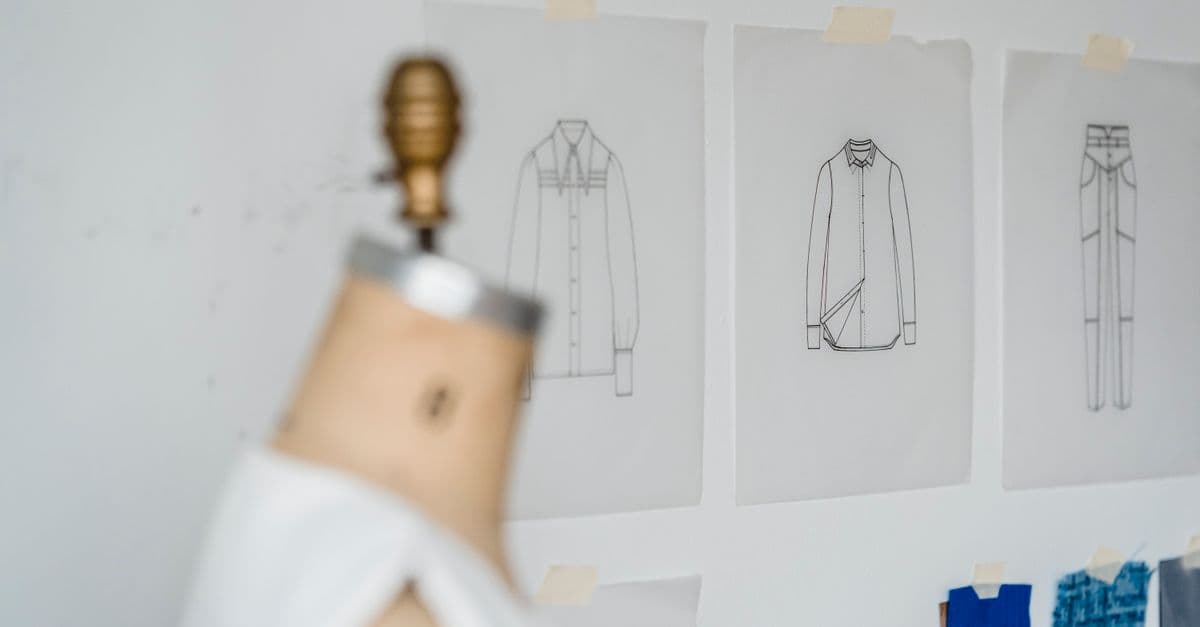
You'll create fully-formed accessory design concepts that synthesize market trends, technical requirements, and creative direction into professional design briefs. Each concept includes mood boarding guidance, detailed technical specifications, material recommendations, and manufacturing feasibility assessments—transforming inspiration into production-ready designs across bags, belts, jewelry, hats, scarves, and footwear accessories.
 by duskmoon314
You'll move beyond mood boards and sketches to create commercially viable silhouettes grounded in design logic and production reality. Claude helps you analyze proportions against target market expectations, evaluate design choices for manufacturability, generate detailed technical specifications, and document the rationale behind every silhouette decision—from hemline length to seam placement.
by duskmoon314
This skill transforms your textile designs into complete manufacturing documentation that eliminates production errors and accelerates time-to-market. You'll generate detailed print specifications including colorway definitions, printing method compatibility notes, repeat structure documentation, quality standards, and technical requirements that manufacturing partners can execute precisely. It bridges the gap between creative intent and factory floor execution, ensuring consistency across production runs and multiple suppliers.
by duskmoon314
You can input master pattern measurements and grade rules, then generate validated size progressions across your entire size run (XS–3XL, numerical, or EU sizing). The skill calculates precise measurement increments for each pattern piece, identifies grading inconsistencies before production, and documents scaling relationships across bodice, sleeves, collars, and other components. You maintain creative control over grading decisions while leveraging automated verification to catch errors and ensure proportional fit across sizes.
by duskmoon314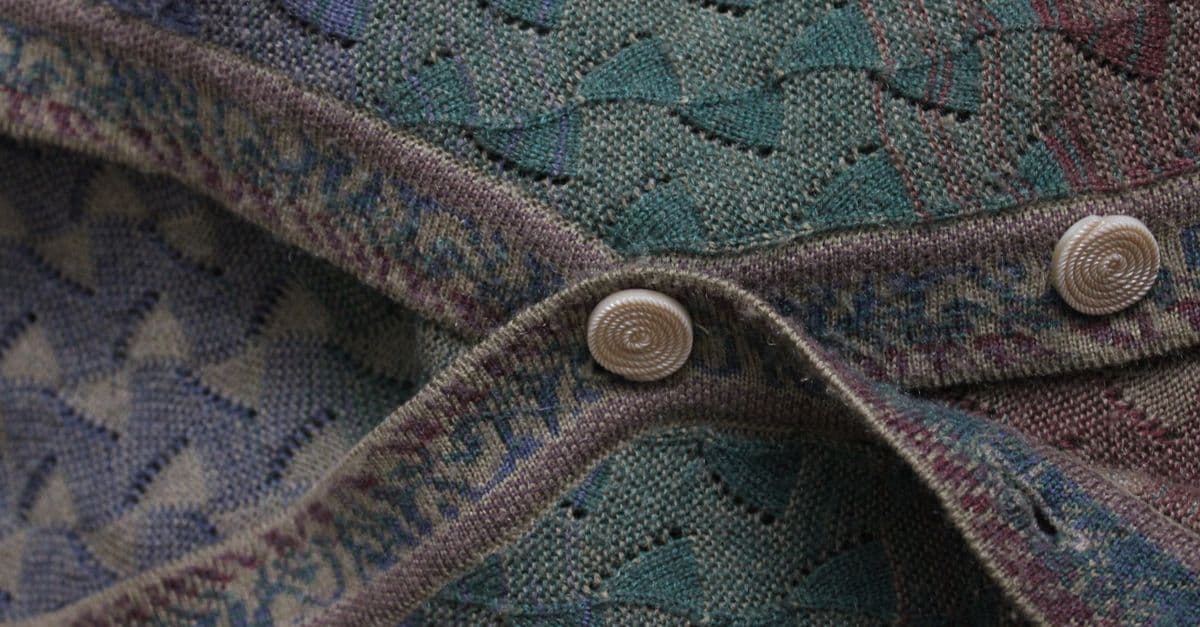
Convert your knit design sketches and parameters into comprehensive technical documentation that eliminates ambiguity during sampling and production. The skill systematizes gauge analysis, stitch-by-stitch construction, yarn requirements, dimensional stability factors, and quality parameters into standardized formats. You'll reduce revision cycles, prevent costly sampling errors, and ensure your creative vision translates accurately through manufacturing.
by duskmoon314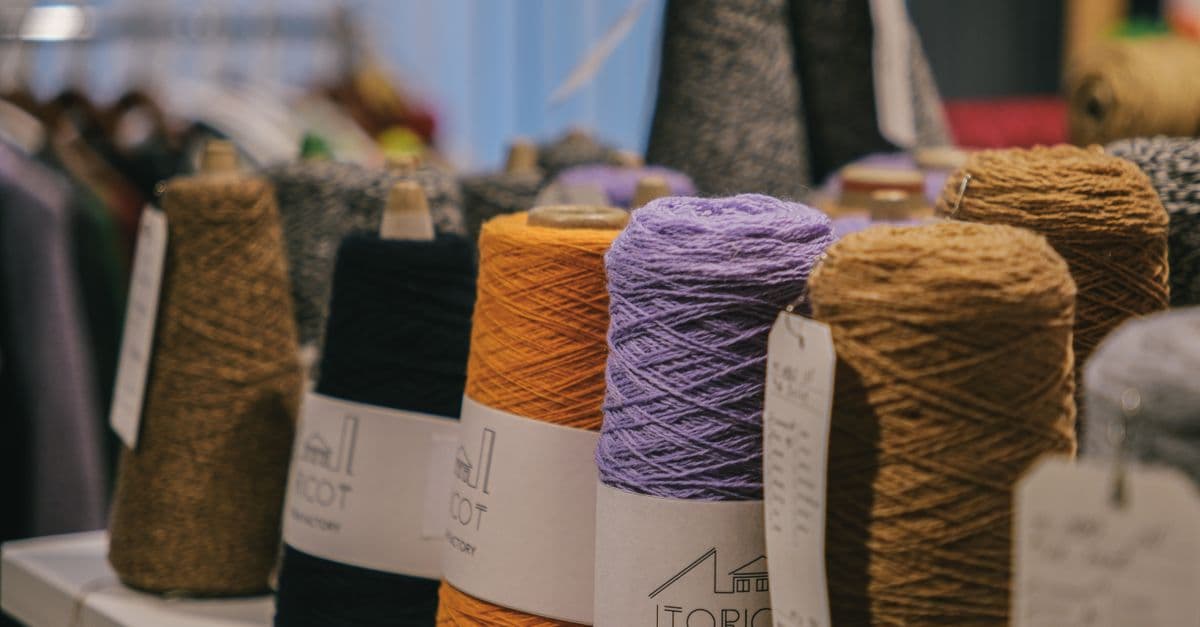
You can analyze fiber properties, yarn weights, twist specifications, and manufacturing constraints to make data-driven yarn selections that balance aesthetic goals with production feasibility and cost targets. This skill helps you predict fabric behavior, match design intent with yarn performance characteristics, and identify optimization opportunities—reducing the need for costly trial-and-error sampling while ensuring your designs meet both functional and manufacturing requirements.
by duskmoon314
This skill systematically verifies your childrenswear designs against CPSC, EN71, and other major regulatory frameworks before patterns reach manufacturers. You input design specifications—garment type, target age group, materials, fasteners, construction methods—and receive a detailed compliance audit identifying specific risks (drawstring lengths, button sizing, seam strength, fabric flammability) mapped to applicable regulations. This accelerates design approval cycles and eliminates costly post-production surprises.
by duskmoon314
This skill transforms raw performance testing data into actionable material selection recommendations. You input fabric test results (tensile strength, abrasion resistance, thermal properties, moisture management), application requirements, and relevant standards—then receive quantitative analysis comparing candidate materials, gap identification, cost-performance tradeoffs, and specification documentation ready for supplier communication or client presentations.
by duskmoon314