

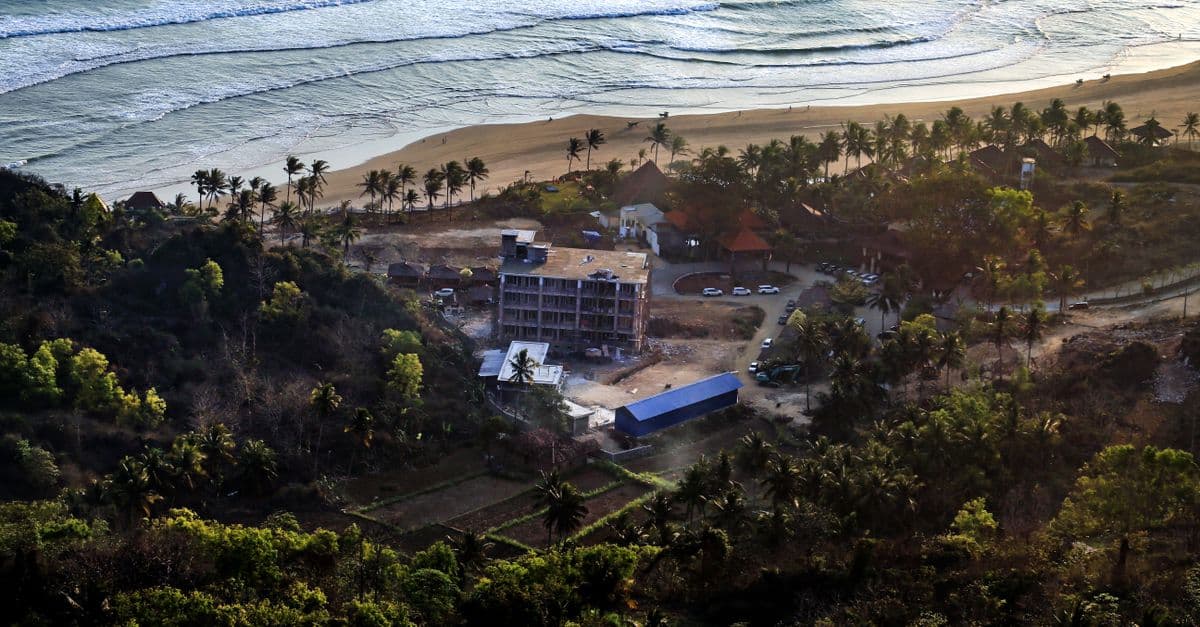
Ecotourism Destination Development & Impact Assessment
Plan sustainable ecotourism destinations and measure environmental impact
What You Can Do
Design ecotourism destinations that balance visitor experience with environmental conservation and community benefit. Claude analyzes ecological carrying capacity, climate impact, biodiversity effects, and local economic outcomes to help you develop responsible tourism operations. Get comprehensive impact assessments, sustainability frameworks, and stakeholder engagement strategies tailored to your region's unique ecology and culture.
Features
Evaluate environmental carrying capacity, water resources, waste management, and ecological fragility to determine optimal visitor limits and infrastructure needs.
Calculate tourism-related emissions from transport, accommodation, and activities, then identify mitigation strategies and carbon offset options.
Assess threats to wildlife corridors, sensitive ecosystems, and species populations, with recommendations to minimize disturbance and support conservation.
Model local economic benefits, job creation, cultural preservation, and equitable revenue distribution between external operators and resident communities.
Create immersive, low-impact activities that educate tourists about conservation while generating revenue for environmental protection.
Develop consultation frameworks for indigenous peoples, local businesses, conservation organizations, and government to build consensus on destination development.
Align destination plans with Green Pearls, Global Sustainable Tourism Council standards, and regional environmental regulations.
Example Output
Example 1: Destination Carrying Capacity Report
- Site: Tropical rainforest reserve (500 km²)
- Current water capacity: 2,500 visitors/day
- Recommended sustainable limit: 1,200 visitors/day
- Infrastructure needed: 3 eco-lodges (20 rooms each), waste water treatment plant, ranger training program
- Annual revenue projection at sustainable capacity: $3.2M with 85% local reinvestment
Example 2: Carbon Impact & Mitigation Plan
- Total annual emissions: 8,400 tCO₂e (transport 65%, accommodation 25%, activities 10%)
- Reduction targets: 40% via renewable energy + local transport shuttles
- Offset cost: $28,000/year (verified reforestation project)
- Net carbon positive timeline: 8 years
Example 3: Biodiversity Protection Framework
- Identified at-risk species: Mountain gorilla (IUCN Endangered), forest elephant (Vulnerable)
- Restricted zones: 120 km² core habitat (no tourism access)
- Monitored corridors: 80 km² buffer with guided-only access (max 50 visitors/day)
- Conservation fund: 12% of ticket revenue ($380k annually)
What's Included
- Destination Assessment Template: Structured questionnaire covering ecology, infrastructure, community, market, and regulatory context with scoring rubric.
- Sustainability Impact Matrix: Tool to rank activities and facilities by environmental, social, and economic impact for prioritization.
- Carrying Capacity Calculator: Model to estimate visitor limits based on water, waste, ecosystem regeneration, and wildlife tolerance thresholds.
- Community Benefit-Sharing Framework: Templates for revenue-sharing agreements, job training programs, and cultural heritage protection clauses.
- Carbon Footprint Audit Tool: Step-by-step methodology to quantify emissions from accommodation, transport, dining, and activities.
- Stakeholder Engagement Playbook: Scripts and facilitation guides for consultations with indigenous groups, local businesses, and conservation partners.
Who It's For
- Conservation Managers
- Ecotourism Operators & Tour Companies
- Destination Development Officers
- Environmental Consultants
- Community Development Organizations
Best For
- Designing new ecotourism destinations from scratch
- Auditing existing destinations for sustainability improvements
- Calculating environmental carrying capacity and visitor limits
- Modeling carbon footprint and climate mitigation strategies
- Planning community benefit-sharing and local economic development
You might also like

Turn complaint situations into retention opportunities by analyzing each issue strategically, assessing rating risk, and recommending tailored responses that balance guest satisfaction with your bottom line. You'll get data-driven recommendations on whether to offer refunds, credits, upgrades, or service recovery actions, complete with messaging templates and follow-up protocols designed to recover ratings.
 by heygen-com
Automatically analyze market conditions, competitor pricing, and historical demand patterns to generate optimal rental rates that maximize revenue. You'll receive data-driven pricing recommendations updated in real-time, along with demand forecasts that help you adjust inventory allocation and staffing. This skill helps rental agencies capture peak demand while maintaining competitiveness during slower seasons.
by heygen-com
Generate personalized, high-value travel itineraries tailored to your clients' preferences, budget, and travel style. You'll research luxury accommodations, curate world-class dining and experiences, and create compelling proposal documents that close deals. The skill handles multi-destination routing, timeline optimization, and produces polished markdown proposals ready to share with clients.
by heygen-comRender dynamic videos directly from HTML/code using Puppeteer and ffmpeg, with built-in support for AI voiceover, caption overlays, and motion animation. Convert markdown changelogs into polished 45-60 second branded videos with animated UI mockups, captions, and AI narration. Create explainer videos, product demos, and animated visualizations using code-first workflows and motion doctrines that enforce consistency and quality.
by heygen-com
This skill analyzes real-time demand, occupancy rates, and market conditions to generate dynamic pricing recommendations for cruise cabins and ancillary services. You'll receive data-driven strategies for yield management, cabin pricing optimization by category, and revenue forecasting that account for seasonal demand, competitor positioning, and customer segmentation. Maximize your revenue per available cabin (RevPAC) and identify upsell opportunities across dining, activities, and service packages.
by heygen-com
Create comprehensive travel itineraries with contingency protocols, coordinate multiple vendors and stakeholders, and manage complex guest experiences end-to-end. You'll generate detailed schedules, communication templates, and risk mitigation plans that keep your executive mobility seamless and your VIP relationships thriving. Every detail—from dietary preferences to security considerations—gets captured and coordinated across teams.
by heygen-com
This skill analyzes historical booking patterns, competitor pricing, and market demand to optimize cabin pricing and revenue across cruise itineraries. It forecasts revenue outcomes by simulating different pricing strategies against predicted demand curves, helping you identify optimal booking windows and price points for maximum yield. You'll receive actionable recommendations on price adjustments, capacity management, and promotional timing backed by data-driven analysis.
by heygen-com
Build comprehensive guest profiles that capture preferences, past interactions, and behavioral patterns, then use predictive analysis to anticipate needs before guests express them. Generate personalized communication strategies, service recommendations, and loyalty-building initiatives that create seamless, premium experiences that drive repeat business and justify premium pricing.
by heygen-com