

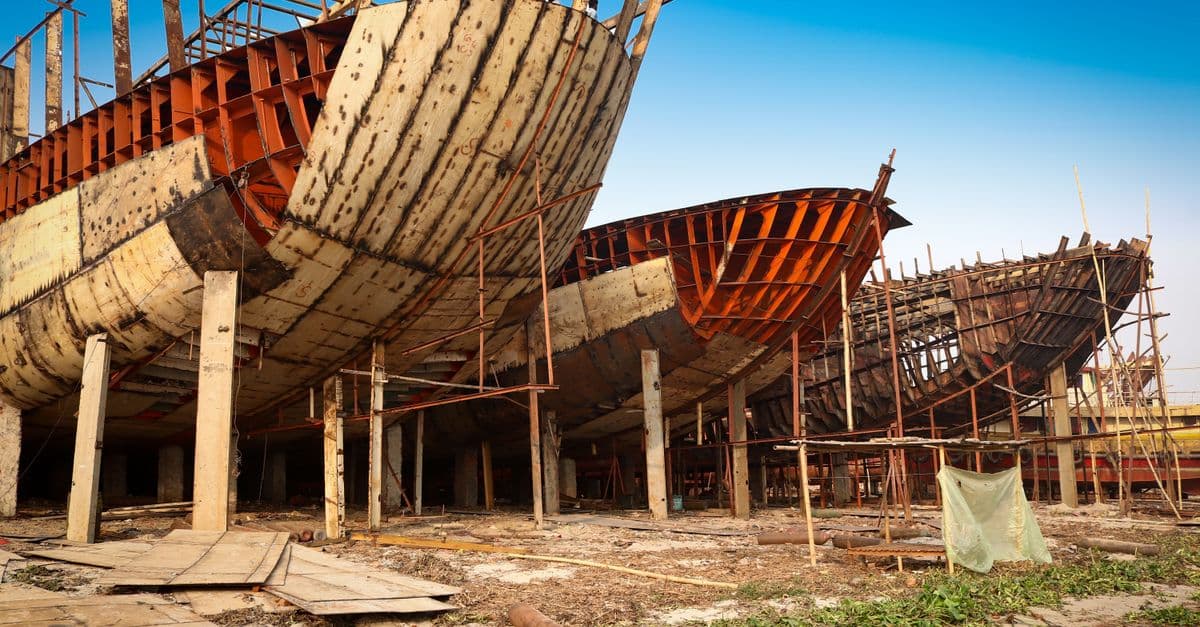
Hull Assessment Framework for Marine Surveyors
Streamline hull inspections with systematic defect documentation and structural assessment
What You Can Do
Generate comprehensive hull inspection checklists tailored to your vessel type, systematically classify structural defects using maritime industry standards, and produce detailed assessment reports with actionable remediation recommendations. This framework transforms raw survey observations into professionally formatted documentation suitable for classification societies, insurance carriers, and regulatory authorities.
Features
Categorize hull damage using standardized maritime defect taxonomy (corrosion, fatigue, impact, cracks, deformation) with severity ratings and structural impact assessment
Create location-specific inspection templates customized for different vessel types, sizes, construction methods, and operating environments
Quantify overall hull condition with standardized assessment metrics, condition indices, and confidence ratings for classification review
Automatically flag critical defects requiring immediate attention and rank repairs by urgency, safety impact, and cost-benefit analysis
Generate repair strategies and methodologies tailored to defect type, location, vessel age, service history, and operating environment
Ready-to-use formats that meet IMO, ABS, Lloyd's Register, and insurance documentation standards for instant compliance
Defect identification visuals and comparison standards to ensure consistent classification across multiple surveyors and survey cycles
Track hull condition changes across multiple survey cycles to identify deterioration patterns and predict time-to-critical-threshold
Example Output
Defect Classification Example:
Location: Starboard side, Frame 45, 2.5m below waterline
Defect Type: Corrosion (pitting and section loss)
Measurements: 120mm × 85mm patch area, maximum pit depth 5.2mm
Severity Rating: MEDIUM (6/10)
Structural Impact: Low — localized, does not affect primary member integrity
Recommended Action: Schedule repair within 24 months; monitor at annual inspections
Estimated Repair Cost: $3,200–4,500
Inspection Checklist (Excerpt):
□ Ballast tank boundaries for internal corrosion and weld cracking
□ Cargo hold structural members (webs, stringers) for fatigue cracks near hatches
□ Critical welds: peak tank connections, longitudinals at hull girder stress concentrations
□ Thickness measurements (UT) at 5 high-risk zones; compare against baseline
□ Rudder post and stern frame for bearing clearances and cracks
Assessment Report Summary:
Vessel: MV Tradewind Carrier | Survey Type: Intermediate Classification | Date: 2026-08-10
Hull Condition Index: 74% (GOOD)
Critical Items: 1 | Major Items: 5 | Minor Items: 12
Estimated Repair Budget: $68,000–95,000
Recommended Dry-dock: Within 18 months
Insurer Approval Status: Conditional (repair critical item before renewal)
What's Included
- Defect Classification System: Industry-standard taxonomy covering corrosion types (uniform, pitting, crevice), fatigue cracks, impact damage, deformation, and structural failures with severity matrices
- Inspection Checklists: Vessel-type-specific templates (tankers, bulk carriers, container ships, general cargo) with tank-by-tank location maps and measurement protocols
- Assessment Report Templates: Professional formats meeting IMO, ABS, Lloyd's Register, DNV, and insurance carrier documentation standards for certification bodies
- Severity Scoring Matrix: Quantified assessment scales linking defect measurements to risk ratings, safety criticality, and urgency for repair scheduling
- Remediation Guidelines: Repair methodologies, material specifications, welding procedures, and sequencing recommendations organized by defect type and structural zone
- Multi-Survey Comparison Templates: Worksheets to track deterioration rates, identify acceleration in damage progression, and forecast maintenance requirements
Who It's For
- Marine surveyors conducting vessel inspections for classification and insurance underwriting
- Classification society inspectors verifying regulatory compliance and condition certification
- Maritime insurance adjusters documenting claims and vessel condition assessments
- Port state control officers performing detention inspections and detention follow-ups
- Vessel maintenance managers planning dry-dock schedules and capital repair budgets
Best For
- Pre-purchase condition surveys for vessel acquisitions and sales transactions
- Periodic hull condition assessments during intermediate and renewal classification surveys
- Insurance claim documentation, damage valuation, and coverage determination
- Regulatory compliance inspections and flag state statutory surveys
- Maintenance planning, capital budgeting, and dry-dock scheduling
You might also like
This skill generates production-ready maritime safety documentation that meets IMO regulations and flag state requirements. You can create comprehensive safety procedures for critical operations, conduct structured vessel audits, investigate incidents systematically using maritime best practices, and produce Safety Management System (SMS) documentation. It streamlines your compliance workflows, reduces documentation time, and ensures consistent safety standards across your fleet.
 by leogodin217
You can conduct systematic condition assessments of marine vessels across structural, mechanical, electrical, and safety systems. The skill generates detailed inspection reports with severity ratings, risk prioritization, and actionable maintenance recommendations. It helps you prioritize repairs by cost-benefit analysis and track vessel degradation trends over time.
by leogodin217
Get instant deal analysis, compliance risk assessment, and market intelligence for ship demolition transactions. This skill helps you evaluate vessel valuations, verify environmental and regulatory requirements, identify hidden liabilities, and generate professional deal summaries—saving weeks of manual research and reducing compliance risk.
by leogodin217
Structure your incident investigations from detection through resolution with a methodical framework that identifies root causes, analyzes contributing factors, and develops evidence-based corrective actions. You'll produce comprehensive investigation reports with regulatory compliance documentation, timeline reconstruction, and actionable recommendations—all meeting ISM Code standards and industry requirements. The skill guides you through each investigation stage, ensuring no critical factors are missed and all findings are properly documented.
by leogodin217
You can analyze charter market data to identify optimal rate windows, compare and structure fixture terms with AI-assisted evaluation, and mitigate deal risk through comprehensive assessment. The skill helps you evaluate counterparty positions, optimize deal structures, and build negotiation strategies backed by market benchmarking and rate analysis.
by leogodin217
Your marine inspection skill transforms raw inspection data into standardized compliance reports meeting IMO, class society, and port state control requirements. It identifies defect patterns across inspection cycles, ranks findings by regulatory risk and severity, and flags gaps against current maritime regulations. Turn inspection notes into audit-ready evidence with risk-scored defect analysis and actionable maintenance recommendations.
by leogodin217
You'll conduct thorough shipyard assessments, compare vessel specifications, and structure newbuilding procurement decisions. Claude analyzes yard financial health, technical capabilities, construction timelines, and delivers risk-qualified recommendations backed by structured comparative analysis. Speed up procurement cycles while reducing evaluation overhead and hidden costs.
by leogodin217
Transform raw operational data from multiple vessels into compliance-ready briefings and executive dashboards in minutes. This skill aggregates vessel metrics, validates operations against maritime regulations, identifies risks, and generates formatted reports that keep leadership informed and compliance audits on track.
by leogodin217