

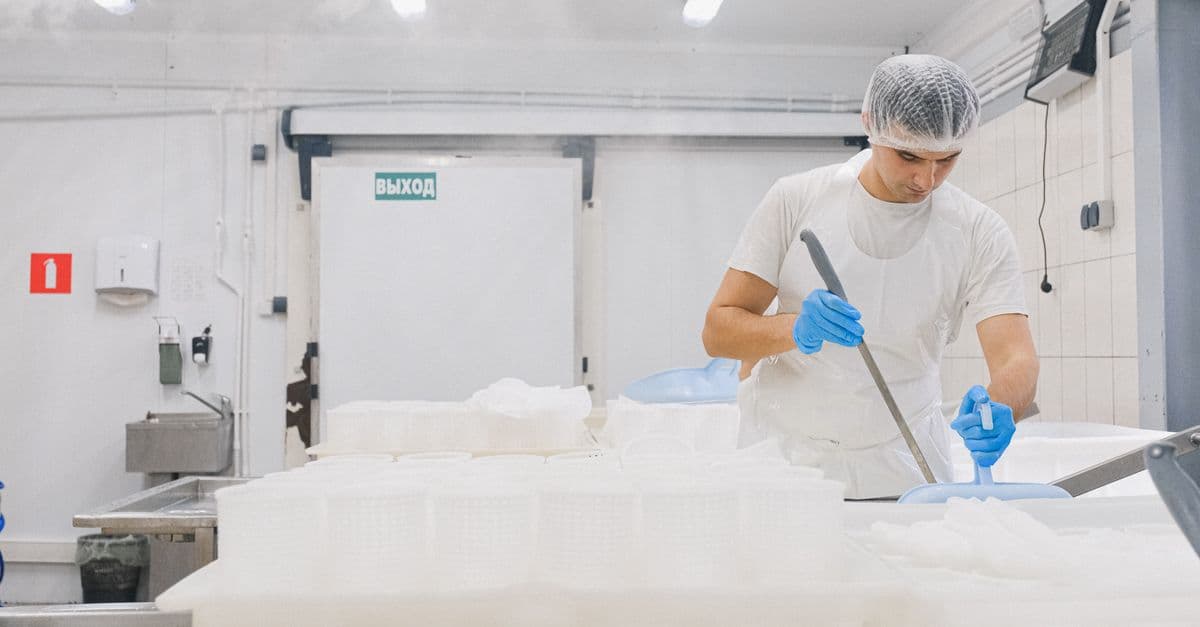
HACCP Plan Development & Audit Assistant
Build and audit HACCP plans with hazard analysis and FDA/USDA compliance verification
What You Can Do
You can conduct comprehensive hazard analyses across food processes, identify and establish critical control points (CCPs) with scientifically-defensible critical limits, design practical monitoring procedures, and create corrective action protocols. This skill guides you through complete HACCP plan development and prepares you for third-party audits with fully documented compliance to FDA, USDA, and international food safety standards.
Features
Systematically identify biological, chemical, and physical hazards specific to your food process with severity and likelihood assessment
Differentiate hazards from CCPs and establish decision trees to determine which points require critical control
Set scientifically-defensible, measurable critical limits based on regulatory standards and scientific literature
Create practical, real-time monitoring workflows with frequency, methods, and responsibility assignments
Document preventive and corrective actions that address root causes and prevent recurrence of control failures
Align HACCP plans with FDA FSMA, USDA regulations, SQF, BRC, and GFSI standards for audit readiness
Generate comprehensive HACCP documentation packages for third-party audits and regulatory inspections
Use HACCP framework to investigate food safety incidents and strengthen controls
Example Output
Example 1: Pasteurization CCP for Juice Processing
- Hazard Identified: Pathogenic bacteria (E. coli O157:H7)
- CCP: Pasteurization unit temperature control
- Critical Limit: 71.7°C (161°F) for 15 seconds
- Monitoring: Continuous temperature recording with automated alerts
- Corrective Action: Divert non-compliant product; investigate equipment; verify effectiveness
Example 2: Metal Detection CCP for Bakery Products
- Hazard Identified: Physical contamination (metal fragments from equipment)
- CCP: Metal detector at final packaging stage
- Critical Limit: Detection of 2.5mm ferrous/non-ferrous metal
- Monitoring: Daily sensitivity verification with test pieces; 100% product inspection
- Corrective Action: Quarantine affected batch; inspect equipment; reset detector
Example 3: Allergen Control at Cross-Contact Point
- Hazard Identified: Chemical hazard (undeclared allergen cross-contact)
- CCP: Dedicated production line scheduling and cleaning verification
- Critical Limit: Allergen detection <20ppm residue after cleaning validation
- Monitoring: Swab testing after cleaning; production schedule compliance
- Corrective Action: Re-clean with validated procedure; hold product; verify effectiveness
What's Included
- HACCP Plan Development SKILL.md: Complete instruction file with structured workflows
- Hazard Analysis Template: Food process-specific hazard identification worksheet with biological, chemical, and physical categories
- CCP Decision Tree Framework: Step-by-step logic for identifying and validating critical control points
- Critical Limits Documentation Checklist: Template for establishing and justifying scientifically-defensible limits
- Monitoring & Corrective Action Procedures: Customizable templates for practical implementation
- FDA/USDA Compliance Verification Checklist: Regulatory alignment confirmation sheet
- Audit Preparation Workbook: Complete documentation package template for third-party audits (SQF, BRC, GFSI)
Who It's For
- Food Safety Managers — Developing and maintaining HACCP systems across food operations
- Quality Assurance Professionals — Validating HACCP plan effectiveness and preparing for audits
- Food Production Supervisors — Implementing monitoring procedures and corrective actions on production floor
- Regulatory Compliance Officers — Ensuring alignment with FDA FSMA, USDA, and international food safety standards
- Food Safety Auditors — Evaluating and verifying HACCP plan adequacy during third-party audits
Best For
- Developing HACCP plans for new food processes or products
- Revising existing HACCP plans due to regulatory changes or product line expansion
- Preparing comprehensive documentation for SQF, BRC, GFSI, or FDA audits
- Investigating food safety incidents and strengthening control measures
- Training production teams on HACCP principles and monitoring procedures
- Validating that existing monitoring procedures are effectively controlling hazards
You might also like
You can submit marketing copy, label claims, or advertising language and receive a structured compliance assessment that maps claims against FDA/FTC guidance, state regulations, and case law. The skill identifies claim type (health claim, structure-function claim, comparative claim, etc.), flags regulatory risks across jurisdictions, assesses substantiation strength, and recommends revisions to reduce enforcement exposure. This accelerates claim review workflows and prevents costly post-launch violations.
 by adeline117
You can design and execute professional texture profiling studies that decompose complex mouthfeel characteristics into measurable, reproducible dimensions. This framework guides you through panelist training with calibrated reference scales, standardized texture vocabulary, data collection protocols, and translation of sensory results into actionable product specifications that R&D and quality control can implement and monitor.
by adeline117
You can evaluate packaging solutions across multiple critical dimensions simultaneously. Claude analyzes material compatibility with specific food products, verifies compliance with FDA, EU, and international food contact regulations, calculates environmental impact and identifies sustainable alternatives, models barrier properties against oxygen/moisture/light penetration, estimates lifecycle costs, and generates technical documentation for suppliers and regulatory submissions. This integrated approach helps you make packaging decisions that protect product quality while meeting sustainability and budget requirements.
by adeline117
You design and architect Tableau dashboards optimized for performance, scalability, and enterprise deployment. Claude helps you assess current dashboard complexity, recommend data model improvements, and implement architecture patterns that scale to thousands of concurrent users while maintaining sub-second query response times.
by adeline117
You can conduct comprehensive food label audits that cross-reference product information against current federal and state regulatory requirements. The skill identifies common violations including missing allergen declarations, incorrect net quantity statements, non-compliant nutrition facts panels, inadequate ingredient formatting, false structure-function claims, and improper front-of-package representations—catching issues before market launch or regulatory action.
by adeline117
You can conduct rigorous texture evaluations that integrate descriptive sensory panels with instrumental measurements, ensuring consistency and consumer relevance. This skill guides you through descriptor standardization, panel training protocols, instrumental correlation workflows, and cross-functional communication of texture findings. You'll build validated texture specifications, troubleshoot texture defects with data-backed solutions, and benchmark competitive products against your standards.
by adeline117
You can analyze and optimize your Databricks SQL queries and data pipelines to dramatically improve performance and reduce compute costs. This skill identifies bottlenecks, suggests architectural improvements, and generates actionable optimization strategies backed by execution plan analysis and cost-benefit calculations.
by adeline117
You can transform raw sensory data and consumer feedback into standardized flavor architectures that drive formulation decisions. This skill systematizes descriptive analysis results, models how ingredient combinations create emergent flavor characteristics, and translates preference data into actionable formulation adjustments. You'll create evidence-based flavor briefs that align R&D and marketing stakeholder expectations while documenting flavor architecture for regulatory compliance.
by adeline117