


Injury Rehabilitation Psychological Intervention Protocol
Design athlete mental skills training and rehabilitation readiness assessments
What You Can Do
Create personalized psychological intervention protocols tailored to each phase of an athlete's injury rehabilitation journey. You generate structured mental skills training programs, readiness assessments, and phase-specific interventions that address psychological barriers to recovery. The skill produces evidence-based frameworks that accelerate psychological readiness and support return-to-sport confidence.
Features
Generate psychological readiness evaluations customized to acute, intermediate, or return-to-sport phases of rehabilitation, measuring pain catastrophizing, confidence, motivation, and sport-specific anxiety.
Design structured mental skills programs including imagery scripts, goal-setting frameworks, attention control exercises, and coping strategies specific to the athlete's sport and injury context.
Develop personalized psychological intervention strategies based on athlete profile, injury type, sport demands, and identified psychological barriers to recovery.
Create comprehensive psychological readiness checklists that assess confidence in physical capabilities, fear-avoidance beliefs, and sport-specific anxieties at each rehabilitation milestone.
Generate evidence-based motivational strategies and goal-setting templates that maintain engagement throughout extended rehabilitation periods.
Build customizable stress-management and coping strategy toolkits tailored to common psychological challenges during injury recovery (pain response, frustration, setback management).
Create tracking and evaluation forms to monitor psychological readiness improvements, intervention effectiveness, and confidence growth across rehabilitation phases.
Example Output
Example 1: Phase-Specific Assessment for ACL Injury
Acute Phase Psychological Readiness Assessment (Weeks 1-3):
- Pain catastrophizing score and management recommendations
- Initial confidence and motivation baseline (1-10 scale)
- Sleep quality and mood screening questions
- Early coping strategy introduction (breathing, relaxation)
- Scoring guidance and intervention triggers included
Example 2: Mental Skills Training Protocol for Soccer Player
Return-to-Sport Phase (Weeks 10-14):
- Imagery script for sport-specific movements (ball control, cutting, shooting)
- Confidence-building goal sequence for graduated field return
- Pre-competition anxiety management routine
- Fear-avoidance assessment and exposure hierarchy
- 4-6 week progressive training structure with measurable milestones
Example 3: Return-to-Sport Readiness Checklist
Psychological Clearance Evaluation:
- Confidence in injured limb (movement, force production, sport demands)
- Fear of re-injury and catastrophic thinking assessment
- Sport-specific task anxiety (high-velocity movement, competitive pressure)
- Mental readiness score with recommended interventions before full return
- Pass/flag system and clinical decision points for clearance
What's Included
- Phase-Specific Assessment Templates: Pre-built psychological readiness assessments for acute, intermediate, and return-to-sport phases with scoring rubrics.
- Mental Skills Training Workbooks: Structured worksheets for imagery, goal-setting, attention control, and stress management with sport-specific customization options.
- Intervention Decision Trees: Clinical decision frameworks for matching psychological barriers to appropriate interventions and monitoring techniques.
- Return-to-Sport Readiness Checklists: Comprehensive psychological clearance forms and readiness scoring systems with clinical interpretation guidelines.
- Coping Strategy Guides: Evidence-based techniques for managing pain response, frustration, motivation fluctuations, and setback recovery during rehabilitation.
- Progress Monitoring Tools: Tracking templates for confidence, motivation, anxiety, and readiness metrics with trend analysis and intervention adjustment protocols.
Who It's For
- Athletic Trainers and Sports Medicine Clinicians
- Sports Psychologists and Mental Performance Consultants
- Rehabilitation Specialists and Physical Therapists
- Strength and Conditioning Coaches
- Team Physicians and Sports Medicine Physicians
Best For
- Creating individualized psychological intervention programs for injured athletes
- Assessing psychological readiness across rehabilitation phases
- Designing mental skills training protocols specific to sport and injury type
- Developing return-to-sport psychological clearance criteria
- Building coping strategy frameworks for managing rehabilitation challenges
You might also like
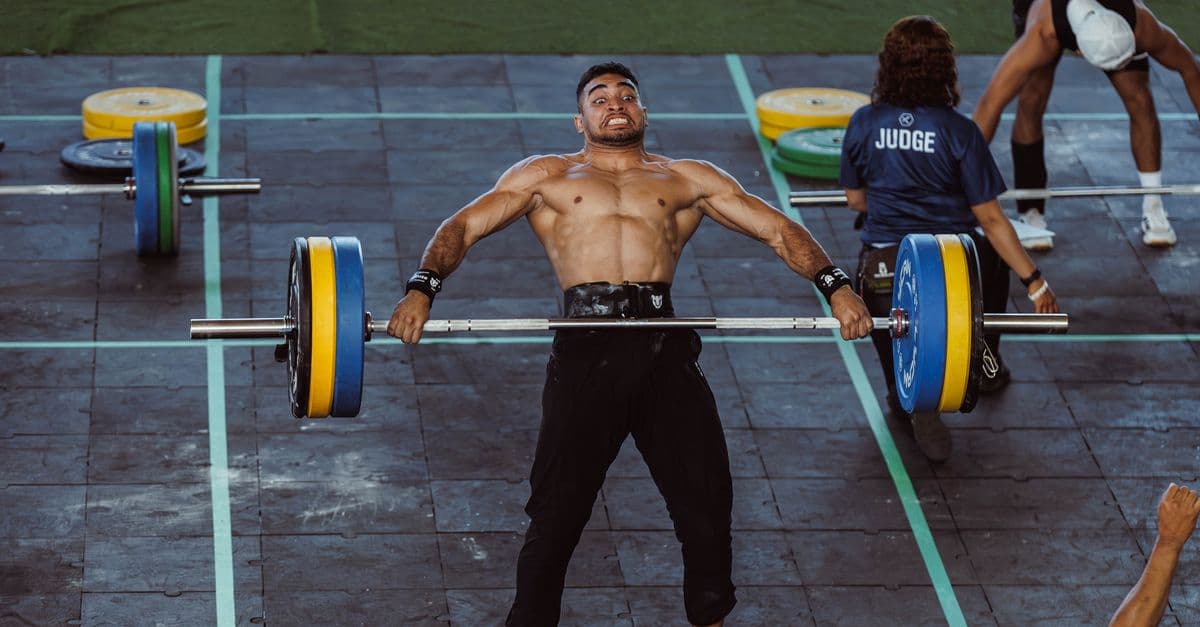
Transform raw athlete metrics into actionable periodized training programs using evidence-based coaching frameworks. You can analyze performance data across multiple dimensions (strength, power, endurance, speed), identify patterns and performance gaps, generate customized training phases aligned with competition calendars, and provide data-driven performance feedback with specific recovery recommendations and injury risk assessments.
 by pikkujs
Create structured return-to-play (RTP) protocols that incorporate evidence-based clinical frameworks, progressive loading stages, and objective outcome criteria. You'll generate injury-specific rehabilitation plans with clinical decision trees, risk stratification, and documentation templates that meet standard-of-care requirements. This accelerates protocol development from hours to minutes while ensuring consistency and clinical defensibility.
by pikkujs
You can design rigorous exercise intervention research protocols from concept to IRB submission, ensuring alignment with peer-review standards and best practices. The skill helps you evaluate the methodological quality of exercise studies using structured frameworks, identifying potential biases, confounding variables, and design threats. You'll receive comprehensive assessments of study designs against CONSORT, STROBE, and discipline-specific standards.
by pikkujs
You can systematically evaluate acute and chronic musculoskeletal injuries using validated clinical protocols and generate detailed, defensible documentation that meets professional standards. Claude structures your examination findings, produces rehabilitation recommendations grounded in current evidence, and organizes complex injury data into clear reports suitable for medical records and insurance submission.
by pikkujs
You can conduct comprehensive assessments of team cohesion, identify specific dysfunctional group processes like poor communication or misaligned goals, and receive tailored intervention strategies grounded in organizational psychology research. The skill generates actionable recommendations that strengthen psychological safety, improve collaboration, and boost overall team performance.
by pikkujsThis skill helps you systematically diagnose root causes of team dysfunction using structured assessment protocols, then design evidence-based interventions tailored to specific cohesion issues. You'll identify patterns across trust, communication, role clarity, and psychological safety. The result is a prioritized action plan that addresses the most impactful gaps first.
by pikkujsYou can create comprehensive clinical assessment protocols, standardized documentation templates, and regulatory-compliant procedures tailored to your specialty or department. This skill automates the development of clinical forms, assessment checklists, and protocol workflows that ensure consistent, evidence-based practice across your organization.
by pikkujs
Generate comprehensive injury assessments that analyze incident root causes, identify hazards, and quantify risk across your facility. Create detailed prevention protocols and return-to-work documentation that meet OSHA standards and occupational health regulations. Your plans integrate safety best practices with your specific workplace conditions to reduce incident rates and liability.
by pikkujs