

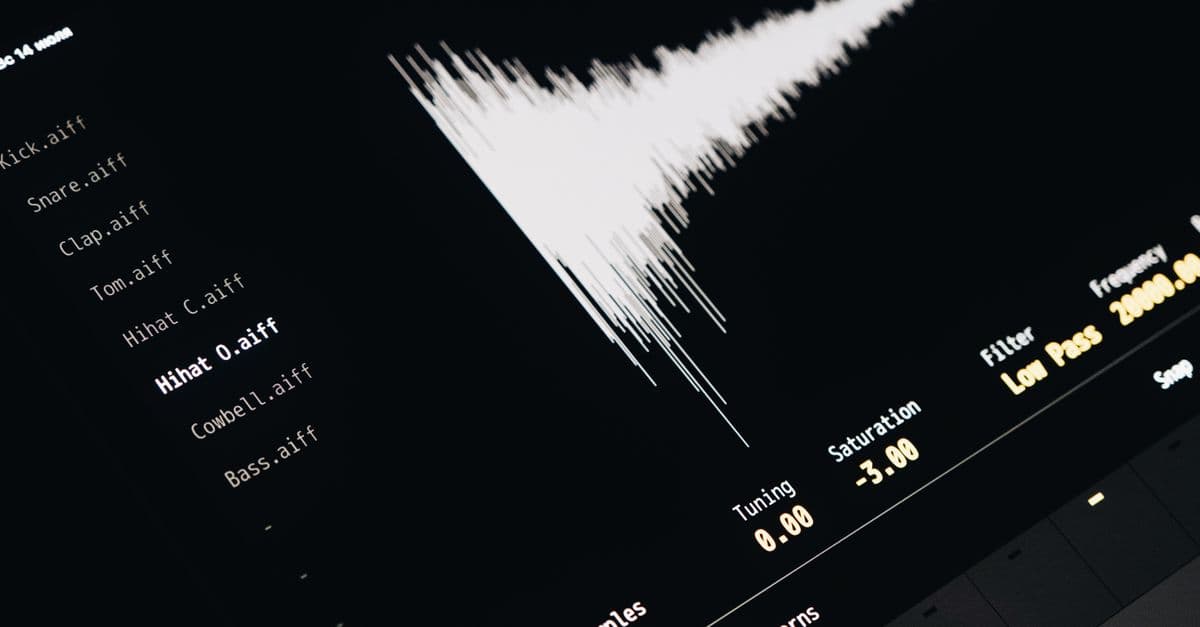
Wwise Audio Architecture & Optimization
Master Wwise architecture, optimization, and audio pipeline design
What You Can Do
Design and optimize audio systems in Wwise for game and interactive projects. This skill helps you architect soundscapes, debug audio pipelines, optimize performance, and implement advanced features like adaptive music and spatial audio. You'll get structured guidance on Wwise best practices, from project setup through production-ready implementation.
Features
Plan hierarchical sound structures, bus routing, and effect chains for complex projects
Identify bottlenecks, reduce CPU/memory footprint, and optimize streaming strategies
Design dynamic music systems, layered soundscapes, and interactive audio responses
Diagnose audio issues, analyze profiler output, and resolve integration problems
Configure 3D positioning, HRTF, ambisonics, and object-based audio for immersion
Plan audio pipelines for engines (Unity, Unreal), middleware stacks, and live systems
Structure your project for efficient iteration, memory usage, and real-time delivery
Example Output
Example 1: Architecture Review
Given a Wwise project structure, the skill analyzes your bus hierarchy, effect chains, and memory footprint. Output includes:
- Bottleneck identification (e.g., "5 convolver reverbs on master bus — reduce to 1 send bus + 2 parallel effects")
- Refactored bus routing diagram
- Expected CPU/memory improvements with quantified metrics
Example 2: Adaptive Music System Design
For a narrative game needing branching music transitions, you get:
- State machine diagram (combat → exploration → conversation states)
- Wwise event/parameter mapping
- Transition timing and crossfade recommendations
- Code snippet showing game-side integration points
Example 3: Performance Optimization Report
Analyze streaming settings, codec choices, and voice management. Output includes:
- Recommended codec per audio type (Opus for speech, Vorbis for music)
- Memory savings breakdown (e.g., "Switch streaming buffer: 512KB → 256KB, saves 200MB at runtime")
- Profiler-based CPU reduction strategy
What's Included
- SKILL.md: Full Wwise architecture framework with decision trees, templates, and optimization workflows
- Audio architecture template: Project structure checklist, bus hierarchy patterns, and effect chain best practices
- Performance profiling checklist: Metrics to monitor, optimization techniques, and real-world targets
- Adaptive audio design template: State diagrams, parameter mapping guides, and transition strategies
- Integration workflow guide: Engine-specific setup (Unity/Unreal), middleware stacking, and debugging workflows
- Troubleshooting decision tree: Common Wwise issues mapped to diagnostic steps and solutions
Who It's For
- Audio programmers & middleware integrators — Architect Wwise systems within game engines and production pipelines
- Game audio leads & sound designers — Plan scalable audio systems and optimize real-time performance
- Narrative/interactive designers — Implement adaptive music, branching dialogue, and state-driven audio
- Technical audio specialists — Profile, debug, and optimize audio systems for console/mobile deployment
- Indie developers — Streamline Wwise setup and avoid performance pitfalls in resource-constrained projects
Best For
- Designing audio architecture for new game projects or large existing codebases
- Optimizing CPU, memory, and I/O performance in shipped or in-development titles
- Implementing adaptive music, dynamic soundscapes, and interactive audio systems
- Debugging audio integration issues between game engine and Wwise middleware
- Planning audio pipelines for multi-platform deployment (PC, console, mobile)
You might also like

You can evaluate unfamiliar locations objectively against your specific production needs—whether that's crane access, parking capacity, noise restrictions, or permit requirements. The skill generates comprehensive scout reports that compare multiple sites using weighted evaluation matrices, flag deal-breakers early, and document infrastructure limitations so your production team makes informed decisions before committing resources to visits.
 by skillslib
You'll design robust SCADA system architectures, configure industrial protocols (Modbus, Profibus, OPC-UA, DNP3), and diagnose connectivity and performance issues across distributed control networks. Get step-by-step configuration guidance, integration workflows, and troubleshooting decision trees tailored to your specific hardware and protocol stack.
by skillslib
You can establish systematic color grading workflows that accelerate project delivery, ensure visual consistency across episodes and projects, and maintain broadcast-quality standards. Claude generates reusable templates, quality control checklists, and grading decision frameworks tailored to your project's color science and deliverable requirements.
by skillslib
Use Claude to automate your entire collection workflow, from first touch to recovery, with legally sound escalation protocols. You'll recover more money in less time, reduce bad debt write-offs by 25-40%, and build defensible collection records that withstand legal scrutiny. Claude handles customized demand letters, compliance validation, debtor profiling, and escalation strategies tailored to account age, debtor behavior, and jurisdiction.
by skillslib
You can conduct comprehensive active transportation network audits that identify missing links, connectivity gaps, and underserved communities. Claude helps you prioritize infrastructure investments against limited budgets using equity screening, mode-share modeling, and cost-benefit analysis—producing client-ready documentation and stakeholder presentations that justify infrastructure decisions with quantitative evidence rather than assumptions.
by skillslib
Turn project descriptions, timelines, and structured data into professional draw.io diagrams instantly. You can generate flowcharts, org charts, Gantt charts, swimlane diagrams, and process flows by describing what you need. Claude creates draw.io XML that you can open directly in the editor or modify further.
by skillslib
Generate customized legal documents and client communications automatically from your MyCase case data. This skill extracts case details, client information, and matter status to populate document templates, send email updates, and create batch processing workflows. Reduce manual data entry and standardize your document generation process while maintaining client communication consistency.
by skillslib
This skill helps you troubleshoot Wwise integration issues, diagnose audio performance bottlenecks, and generate comprehensive documentation for interactive audio specifications. You'll get step-by-step fixes for common implementation problems, performance optimization strategies, and best practices for audio systems across different game engines and platforms.
by skillslib