

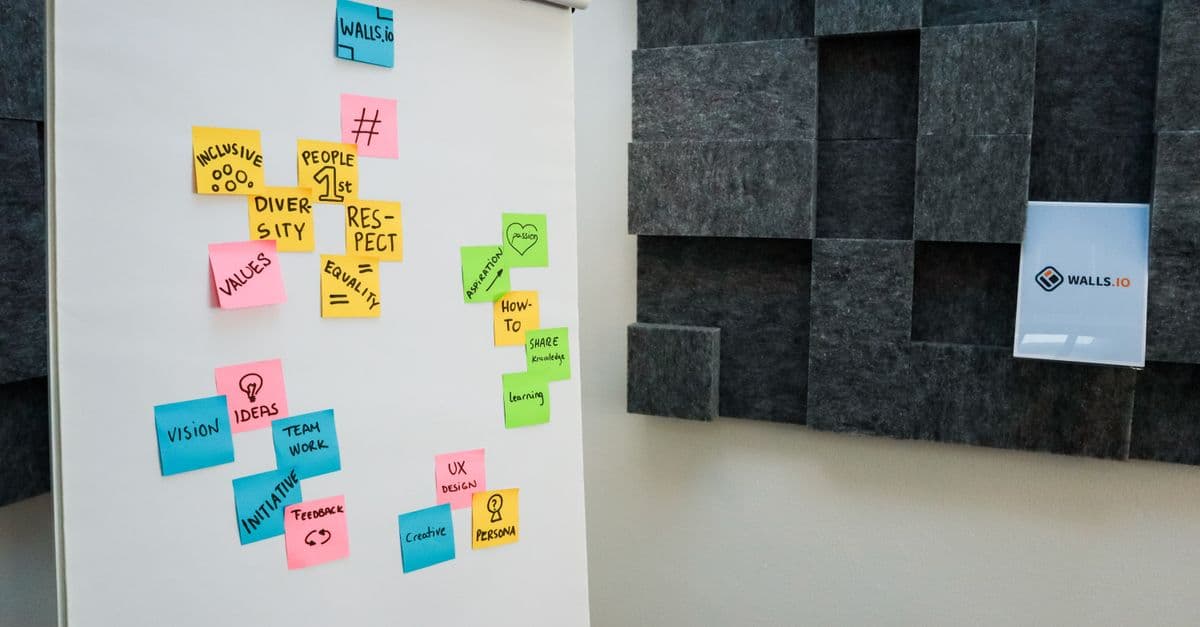
User Research Synthesis Framework
Transform raw research data into actionable UX insights using structured synthesis
What You Can Do
You can transform raw qualitative and quantitative research data into coherent, prioritized insights that stakeholders can act on. The framework guides you through coding responses, identifying recurring themes, validating patterns across participants, mapping findings to business goals, and packaging insights in formats tailored for designers, product managers, and executives. Instead of relying on intuition, you'll use structured methods to distinguish genuine user needs from outliers and justify design recommendations with evidence.
Features
Extract recurring patterns from interviews, surveys, and observational data using structured analysis methods
Calculate prevalence metrics and determine whether observations represent genuine needs or outliers
Rank findings by user frequency, business alignment, and design urgency to focus team effort
Integrate insights from interviews, surveys, usability tests, and analytics into unified findings
Generate research reports, insight summaries, and recommendation briefs formatted for different audiences
Extract behavioral data and mental models to build user personas and customer journey maps
Connect research findings directly to design decisions with supporting quotes and data
Organize findings in reusable formats for tracking patterns across multiple research cycles
Example Output
Example 1: Interview Theme Extraction
Input: 12 user interview transcripts (45+ pages)
Output:
- Theme: Friction in onboarding process (10/12 participants mentioned)
- Subtheme: Unclear value prop at signup (8 mentions)
- Subtheme: Too many required fields (9 mentions)
- Representative quote: "I almost abandoned because I didn't understand why I needed to provide my company size."
- Design recommendation: Simplify signup to 3 essential fields, add contextual help text
Example 2: Usability Test Priority Matrix
| Finding | Severity | Frequency | Business Impact | Priority |
|---|---|---|---|---|
| Users can't find settings | Critical | 4/5 participants | Increases support tickets | P0 |
| Button labels are unclear | High | 3/5 participants | Reduces confidence | P1 |
| Search results are slow | Medium | 2/5 participants | Minor UX friction | P2 |
Example 3: Research Summary for Product Team
Key Insight: Users primarily adopt the tool for one specific use case (time tracking), but struggle discovering secondary features (reporting).
Evidence: 11/15 survey respondents use only basic tracking; average feature adoption = 2.3/8 features
Recommendation: Add guided onboarding highlighting reporting benefits; consider feature discovery tooltips in UI
What's Included
- SKILL.md instruction file: Complete synthesis framework with structured analysis methodology
- Coding template: Spreadsheet for tracking themes, codes, participant frequency, and supporting quotes
- Synthesis checklist: Step-by-step guide for moving from raw data to validated insights
- Report templates: Pre-formatted research summaries for design teams, product managers, and executives
- Priority matrix: Framework for ranking findings by severity, frequency, and business impact
Who It's For
- UX researchers — Systematically analyze research data and generate insights for design teams
- Product managers — Synthesize user research to inform roadmap and feature prioritization decisions
- UX/product designers — Extract actionable findings from research to validate design direction
- Research operations leads — Scale synthesis processes across multiple research projects and teams
- Design strategists — Build evidence-based recommendations connecting user needs to business goals
Best For
- Analyzing 8+ qualitative interviews into coherent theme sets and mental models
- Processing 100+ open-ended survey responses to identify patterns and trends
- Synthesizing usability test findings into prioritized bug reports and UX improvements
- Integrating insights from multiple research methods (interviews + surveys + analytics) into unified findings
- Creating research documentation and persona briefs that drive design decisions across teams
You might also like
You can systematically evaluate your design system's health using structured frameworks that assess component consistency, design token usage, documentation completeness, and developer adoption. The skill generates prioritized gap analysis reports that quantify issues—like duplicate components, token sprawl, or implementation friction—and translates findings into executive-ready roadmaps with business cases for remediation. You'll move beyond subjective design assessments to data-backed improvement strategies.
 by calesthio
This skill helps you craft error messages and notifications that prioritize clarity and actionability over cleverness. You'll generate empathetic microcopy for error states, in-app notifications, empty states, and edge cases—then test variations against different user personas to minimize cognitive load and maximize task completion rates. It bridges UX research insights with production-ready copy that reduces support tickets and builds user trust.
by calesthio
You'll conduct structured culture audits that go beyond surface-level observations to identify root causes of dysfunction in design teams. Using organizational psychology research, you can analyze team feedback patterns, map collaboration barriers across disciplines, and design targeted interventions that address psychological safety gaps, siloed workflows, and retention risks. Claude helps you transform culture diagnostics into measurable improvement plans tied to specific team performance outcomes.
by calesthio
You can rapidly build responsive, production-ready UI designs using Tailwind's utility-first approach. Apply low-level utility classes directly to HTML elements to create custom designs without writing CSS, implement mobile-first responsive layouts, add dark mode and theme customization, and generate optimized CSS bundles through build-time processing that includes only the classes you actually use.
by calesthio
This skill guides you through creating strategic content frameworks that go beyond tone and voice guidelines. You'll synthesize user research with business goals, define content principles, structure information architecture, and document messaging frameworks that teams can reference repeatedly. The result is a comprehensive strategy that ensures every piece of UX content—from microcopy to help documentation—serves both users and business outcomes.
by calesthio
You can generate customized interview frameworks that assess design ops candidates against specific competencies aligned with your team's maturity and challenges. The skill produces behavioral interview questions, technical scenario assessments, and scoring rubrics that help interview panels evaluate candidates objectively across process optimization, metrics thinking, tool knowledge, and organizational influence—moving beyond portfolio review to predict job-ready performance.
by calesthio
You can systematically evaluate UX/UI design candidates across multiple disciplines—UX researchers, UI designers, product designers, design systems engineers, and coordinators—using role-specific competency frameworks. The skill converts vague impressions into defensible scoring systems that account for cross-functional collaboration capability, process maturity, and systems-thinking critical to design ops success. You'll compare candidates across seniority levels, document evaluation decisions for compliance, and build consistent hiring rubrics your entire design team can deploy.
by calesthio
You can conduct comprehensive microcopy audits across your entire product, categorizing copy by type and user journey stage. Claude helps you identify clarity gaps, consistency issues, and conversion blockers, then generates tested alternatives with clear rationale. You'll produce copy guidelines, A/B test frameworks, and localization-ready copy that drives measurable improvements in user completion rates and confidence.
by calesthio