


Sports Injury Assessment & Return-to-Sport Protocol
Evaluate sports injuries and guide return-to-sport decisions with evidence-based protocols
What You Can Do
You can conduct comprehensive sports injury evaluations that integrate mechanism of injury analysis, special orthopedic tests, and clinical reasoning to determine injury severity and return-to-sport readiness. This skill helps you create sport-specific treatment plans, document findings for third-party clearance, and differentiate between structural damage, functional limitations, and performance deficits—enabling you to make evidence-based decisions about athlete management and injury prevention strategies.
Features
rapidly assess acute injuries and differentiate red flags requiring immediate referral from those appropriate for chiropractic care
reconstruct injury events to identify force vectors, tissue stress patterns, and contributing biomechanical factors
apply sport-specific orthopedic tests with known sensitivity/specificity for targeted anatomical structures
rule in/out competing diagnoses based on clinical presentation, test findings, and imaging correlation
establish progressive, criterion-based milestones aligned with sport-specific demands and functional testing
generate clearance reports that satisfy athletic trainers, team physicians, coaches, and liability standards
assess overuse patterns, load tolerance, and recurrence risk to prevent re-injury
Example Output
Example 1: Acute Ankle Inversion Injury
Mechanism: Non-contact inversion during basketball game, immediate swelling, unable to bear weight. Assessment: Anterior drawer test positive, talar tilt positive, high ankle squeeze negative. Swelling 2+ pitting. Preliminary Diagnosis: Grade II ankle ligament sprain (ATFL/CFL involvement). RTS Timeline: Week 1-2 pain management and ROM restoration; Week 2-3 proprioceptive training; Week 3-4 sport-specific agility; Week 4-5 return to competition pending single-leg hop test ≥90% limb symmetry.
Example 2: Chronic Shoulder Impingement
Mechanism: Overhead athlete with 8-week history of anterior shoulder pain during throwing. Assessment: Neer test positive, Hawkins test positive, scapular dyskinesis present, internal rotation ROM restricted 15° compared to contralateral. Preliminary Diagnosis: Subacromial impingement with scapular dysfunction. RTS Timeline: 6-week strengthening phase targeting lower trapezius and serratus anterior; 2-week sport-specific interval program; return to full throwing pending isokinetic testing within normal limits.
Example 3: Lumbar Strain in Weightlifter
Mechanism: Acute hyperextension during deadlift attempt, localized low back pain, no radicular symptoms. Assessment: Positive Kemp test, negative crossed straight leg raise, quadrant test reproduces symptoms at end-range. Preliminary Diagnosis: Facet-mediated lumbar pain (mechanical origin). RTS Timeline: Week 1-2 active rest with core stabilization; Week 2-4 progressive loading in pain-free ranges; Week 4-6 sport-specific lifting mechanics retraining; return pending pain-free lifting at 90% prior load.
What's Included
- SKILL.md: Complete assessment protocol with clinical decision trees and red flag criteria
- Injury Assessment Template: Structured form covering mechanism, palpation, special tests, and differential diagnosis
- Return-to-Sport Clearance Checklist: Criterion-based milestones for progressive return phases
- Sport-Specific Test Selection Guide: Orthopedic tests organized by anatomical region and sport demands
- Documentation Framework: Third-party clearance report templates for athletic trainers, coaches, and team physicians
Who It's For
- Sports chiropractors — evaluating athletes with acute and chronic injuries
- Athletic trainers — collaborating on assessment and return-to-sport decision-making
- Team physicians — reviewing clinical documentation and clearance recommendations
- Coaches and strength staff — understanding injury severity and progressive return protocols
- Rehabilitation specialists — developing sport-specific treatment and prevention plans
Best For
- Acute injury assessment and triage (sprains, strains, contusions)
- Chronic overuse condition evaluation in overhead and endurance athletes
- Return-to-sport clearance documentation and decision-making
- Mechanism of injury analysis and biomechanical deficit identification
- Sport-specific functional testing and criterion-based progression planning
You might also like
You can build AI-powered Python agents quickly using the @agentic decorator for simple functions or spawn() for full multi-agent systems with behavioral control. Agents maintain persistent state, integrate with MCP tools, handle typed return values, and coordinate with each other through a unified framework—enabling everything from basic AI-enhanced functions to complex agent orchestration pipelines.
 by aymericzip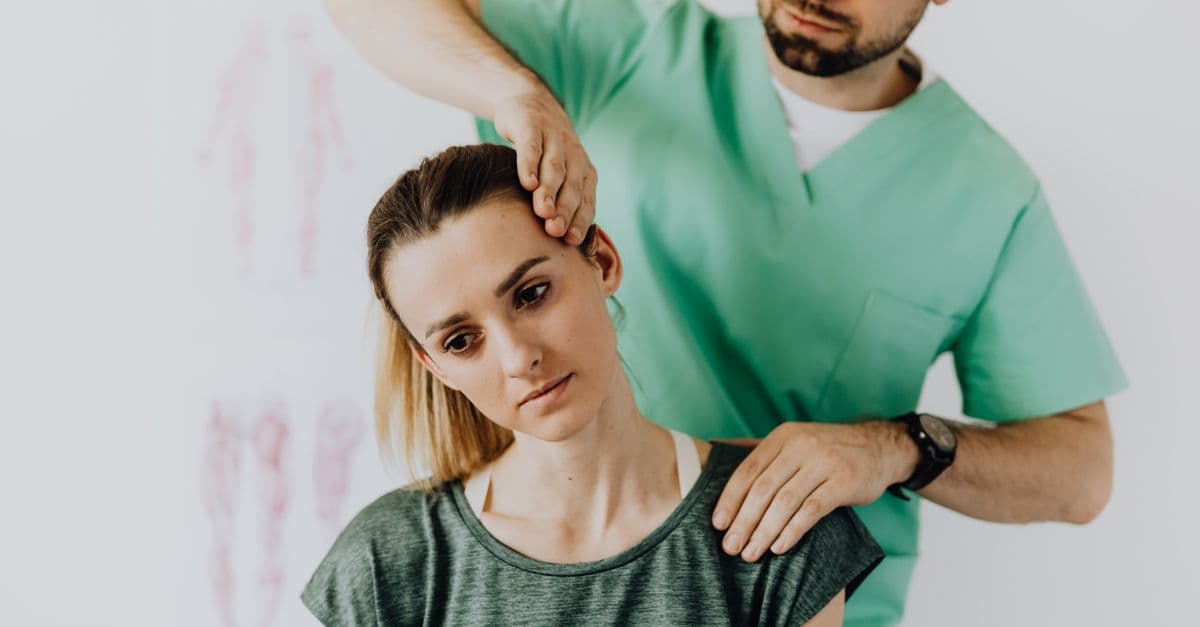
Conduct comprehensive fall risk assessments for patients 65+ by identifying modifiable risk factors including balance deficits, medication effects, neurological changes, and environmental hazards. Generate customized intervention plans that adjust treatment protocols based on individual risk profiles, with integrated documentation for liability protection and clinical decision-making that prioritizes patient safety throughout the care episode.
by aymericzip
You systematically evaluate sports injuries using clinical orthopedic testing procedures, document findings within the context of sport-specific biomechanical demands, and generate individualized rehabilitation protocols with clear functional milestones. This skill helps you create athlete-centered treatment plans that satisfy insurance documentation requirements while establishing realistic return-to-play timelines that athletes, coaches, and parents can understand and commit to.
by aymericzip
You can systematically coordinate complex schedules across multiple clinical disciplines, eliminate bottlenecks in patient flow, allocate shared rooms and equipment efficiently, and establish clear handoff procedures between providers. This skill helps you resolve scheduling conflicts, reduce provider idle time and patient wait times, and design communication protocols that keep all disciplines aligned on patient status and treatment plans.
by aymericzip
You can audit current staffing models across all group practice locations, identify cost-saving opportunities and scheduling inefficiencies, analyze compensation competitiveness against market benchmarks, and model the financial impact of proposed staffing changes. This skill helps you make data-driven staffing decisions that balance patient demand, clinician utilization, payroll efficiency, and staff retention across your multi-clinic operation.
by aymericzip
You can conduct comprehensive developmental screenings that integrate age-appropriate milestone tracking, functional movement assessment, and red flag identification. This skill enables you to distinguish between normal developmental variation and concerning findings that require specialist referral, ensuring safe and appropriate chiropractic care while supporting informed parent-guardian communication about your clinical decision-making.
by aymericzip
You can submit chiropractic claim details to this skill and receive automated validation against current NCCI coding edits, payer-specific requirements, and medical necessity documentation standards. The skill identifies problematic code pairs, frequency-of-service violations, and bundling conflicts before claims reach insurers, helping you prevent denials and accelerate clean claim submission rates across workers' compensation, auto insurance, and commercial payers.
by aymericzip
You can conduct thorough fall risk assessments for geriatric patients by integrating validated screening instruments, functional mobility tests, spinal and neurological evaluation, and environmental risk factor analysis. The skill guides you through systematic documentation of findings, identifies modifiable risk factors specific to chiropractic intervention, and generates personalized prevention protocols that reduce fall probability while preserving patient autonomy and quality of life.
by aymericzip